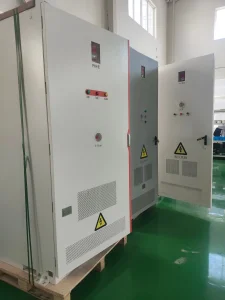
EnerNova Charger
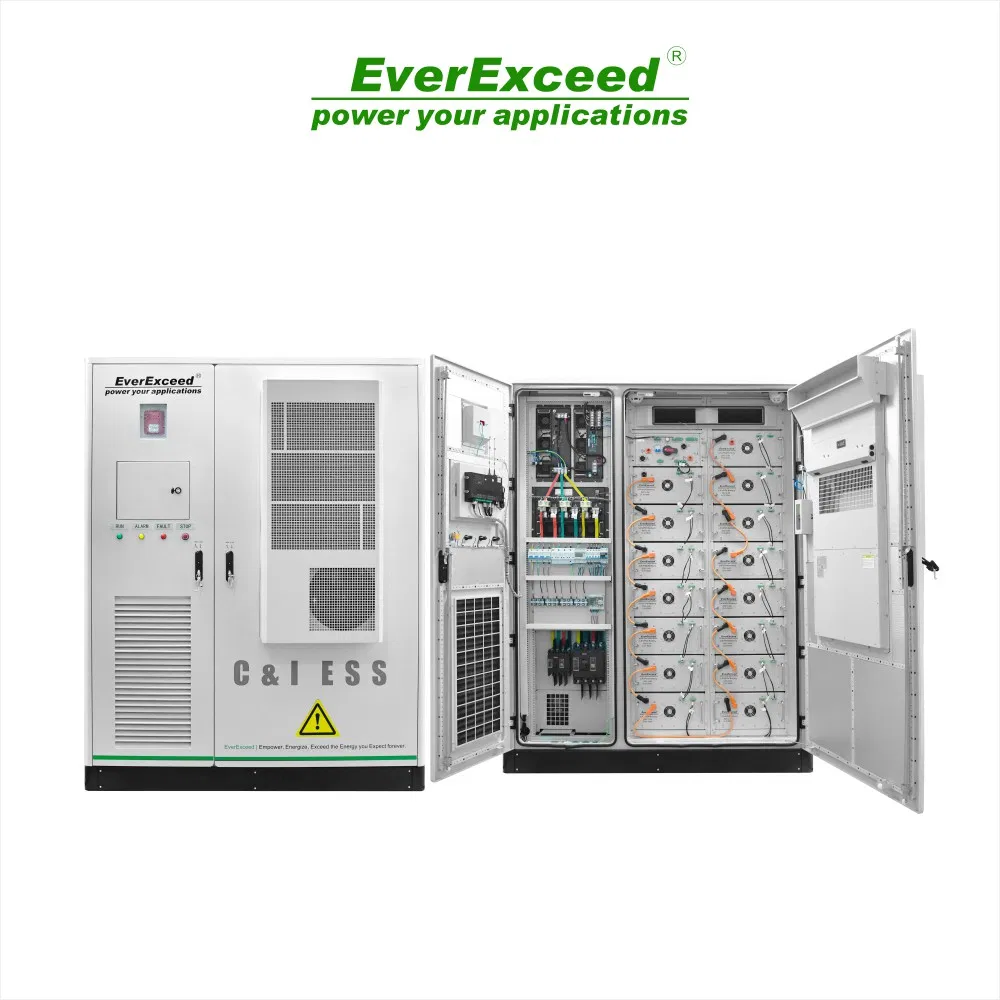
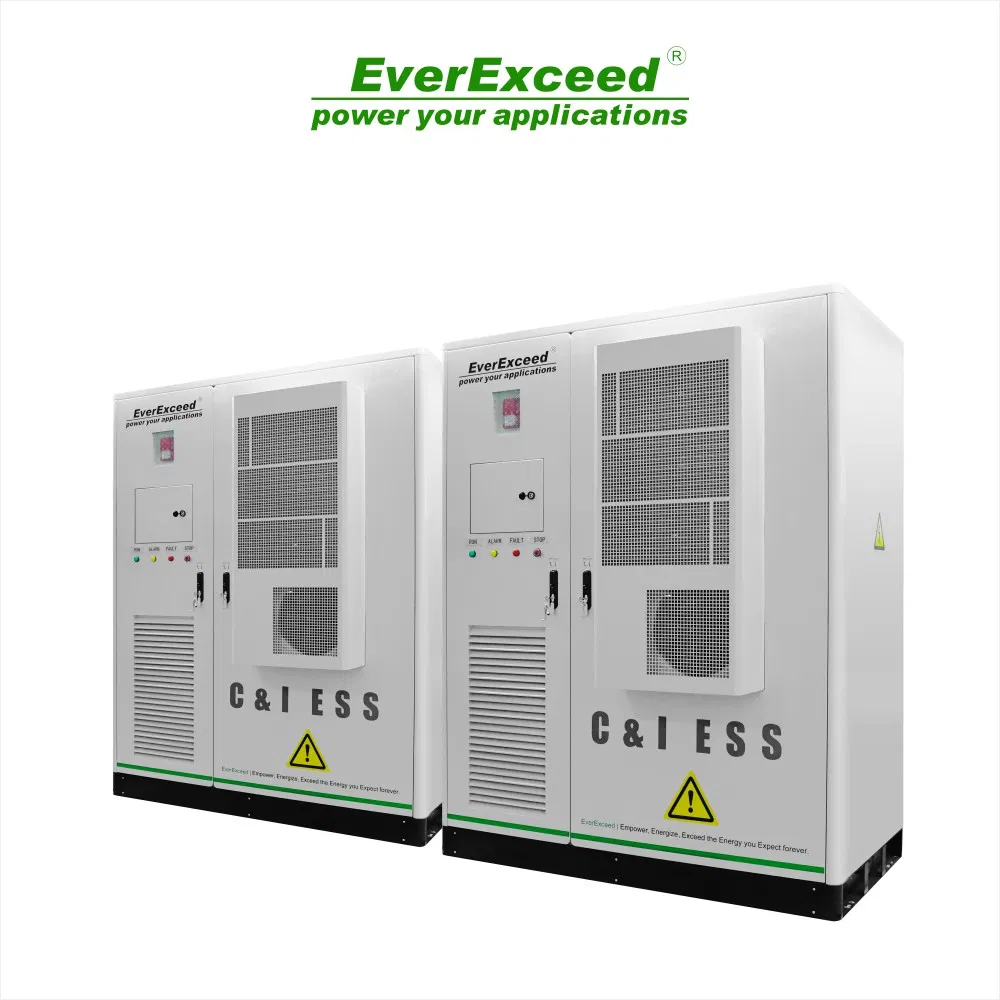
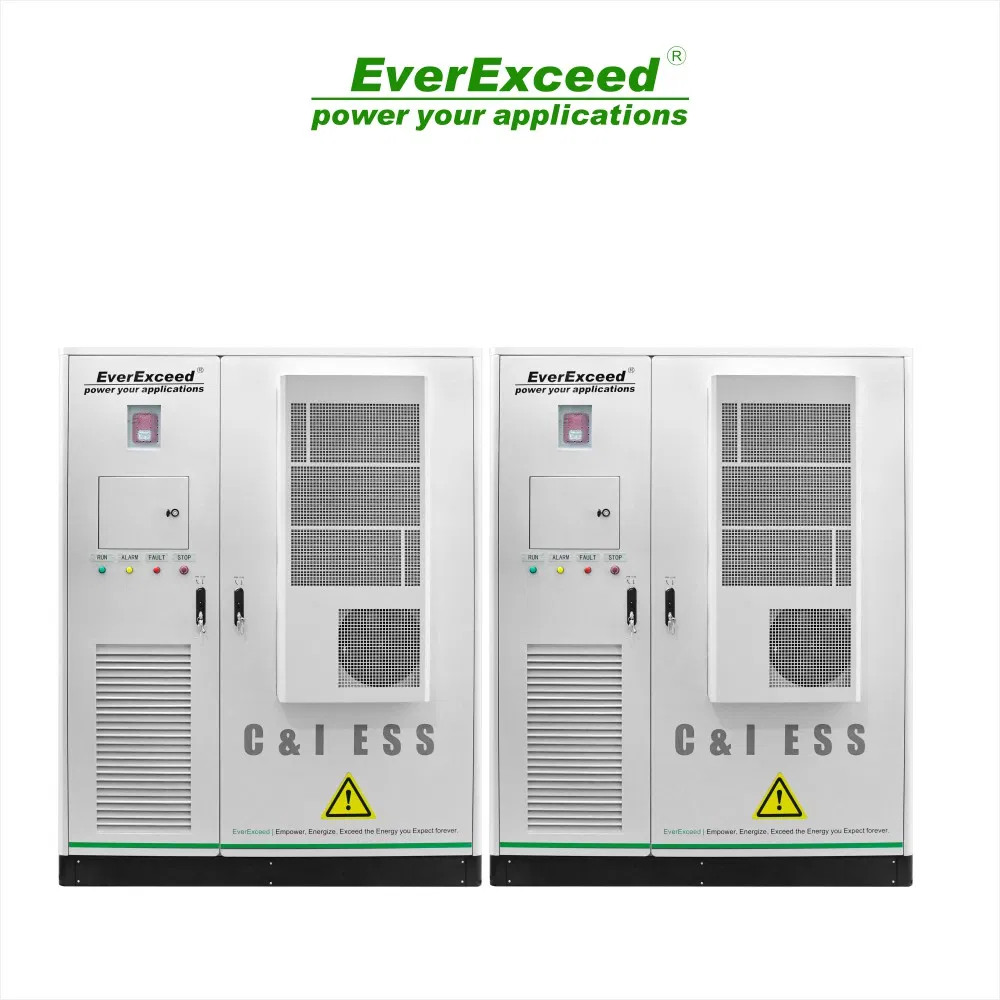
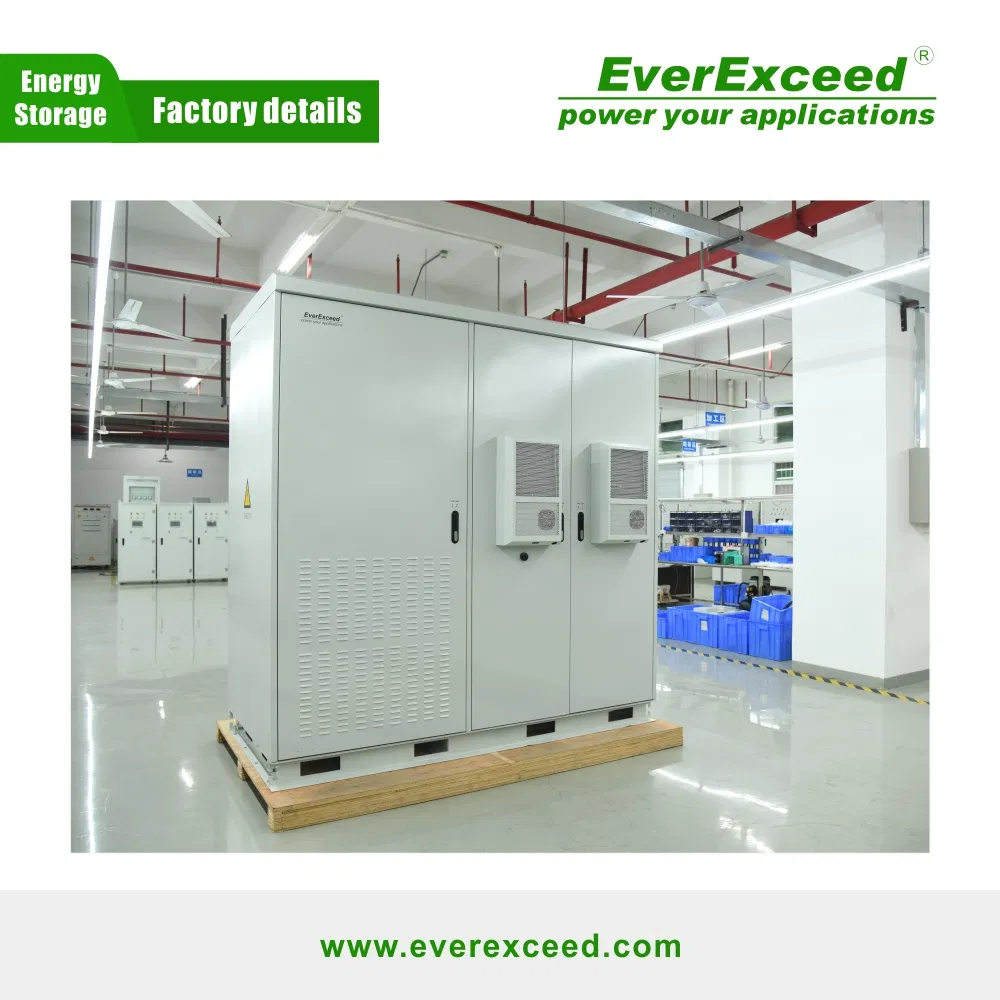
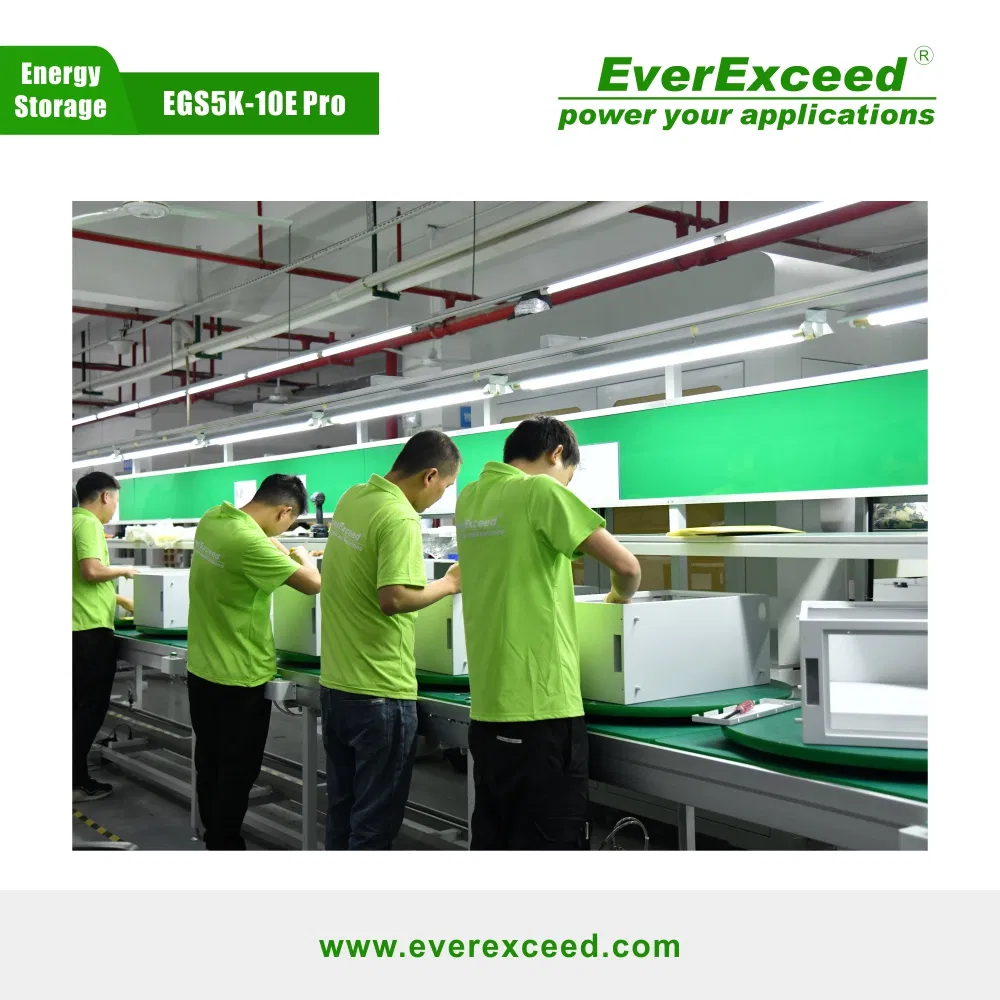
1 / 5
| Model NO. | CO50K-100E |
| Protection | Over Voltage, Over Current, Short Circuit etc. |
| Application | Household, Office, Small factories, Shopping malls |
| Classification | Energy Storage Solution |
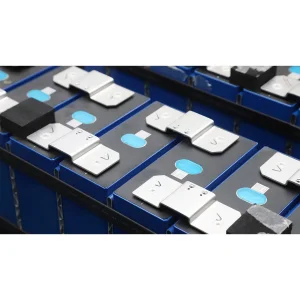
| Battery Type | Lithium Iron Phosphate (LiFePO4) |
| Ingress Protection | IP21 / IP54 (Outdoor Optional) |
| Output Capacity | 220VAC / 400VAC |
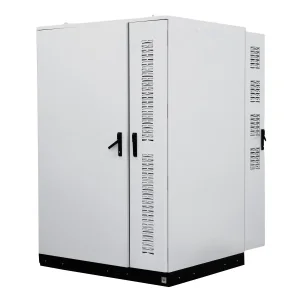
| Dimensions | 1000x1450x2100 mm |
| Package Gross Weight | 1200.000kg |
100kWh - 200kWh Commercial & Industrial Energy Storage System Solution
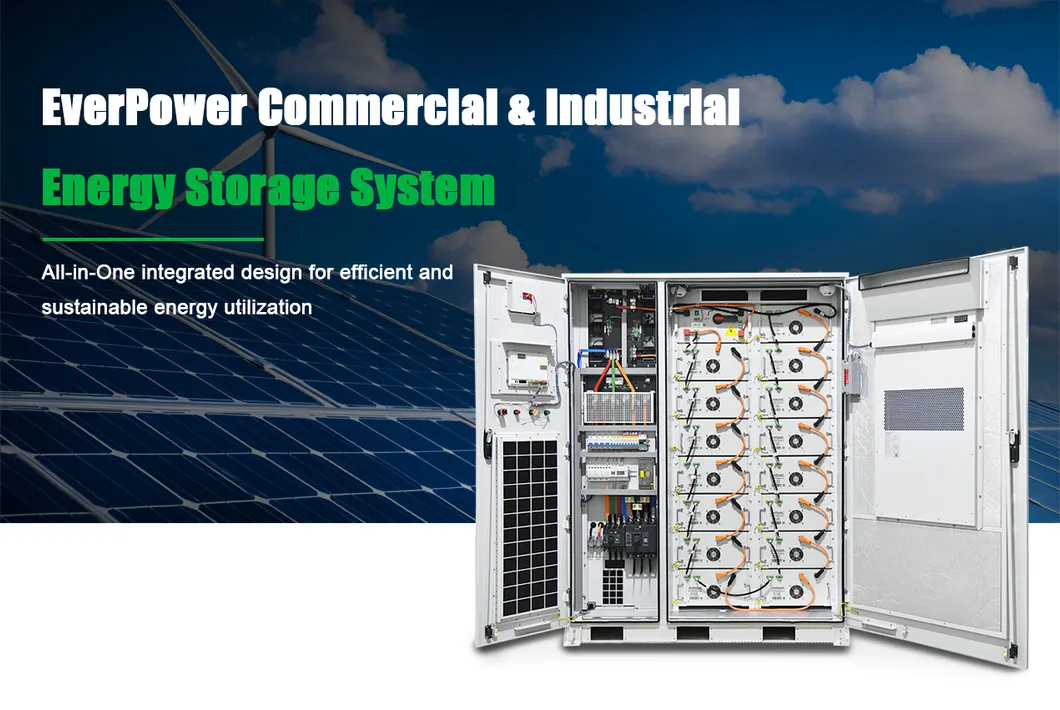
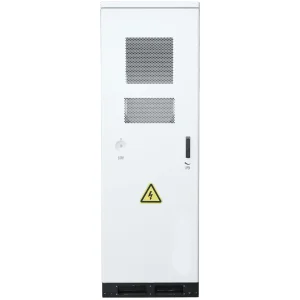
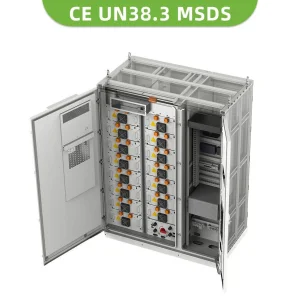
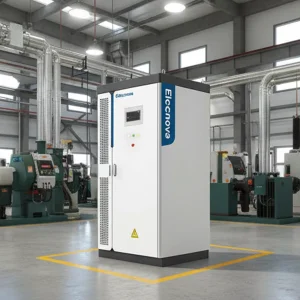
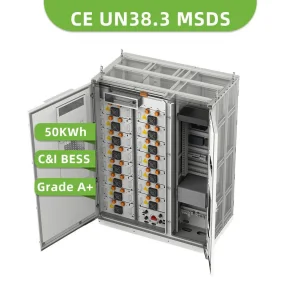
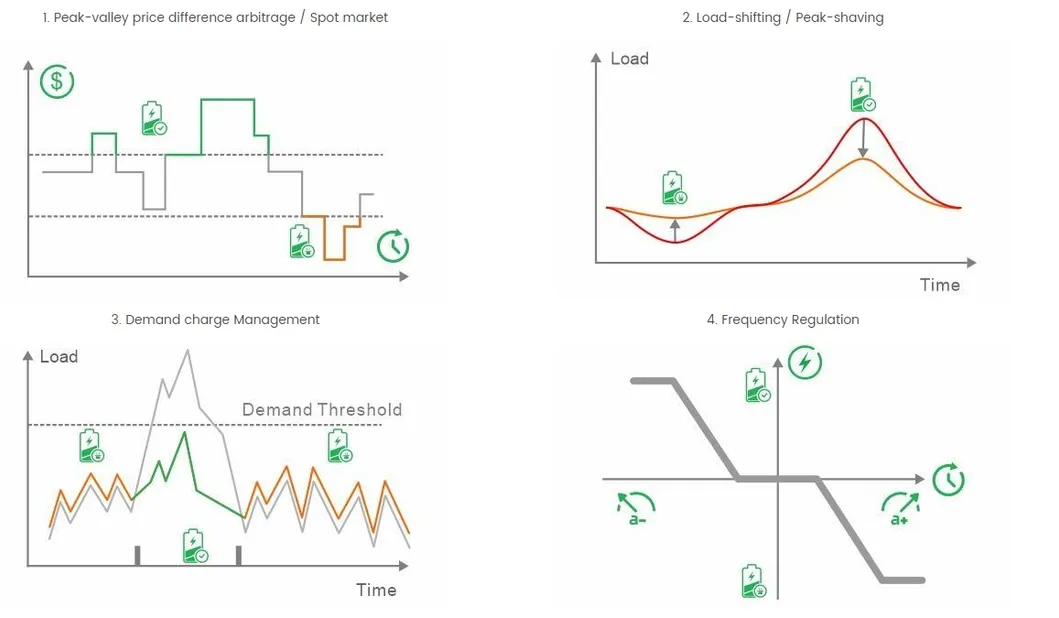
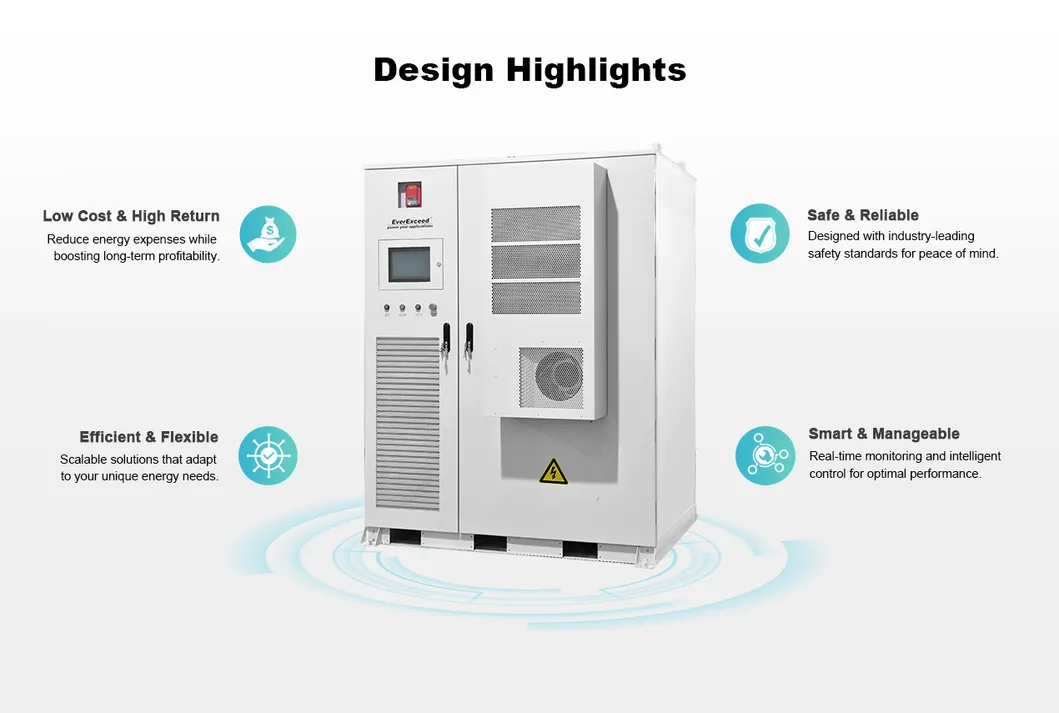
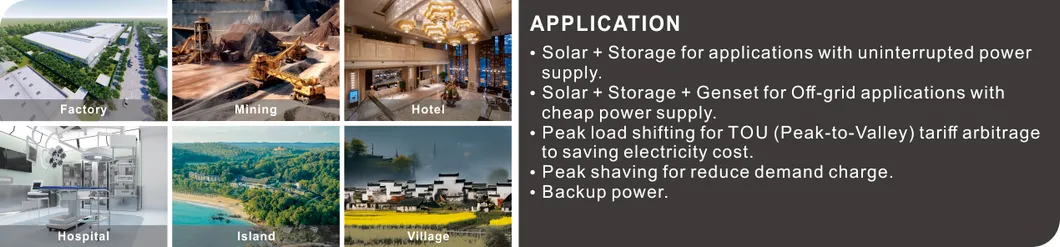
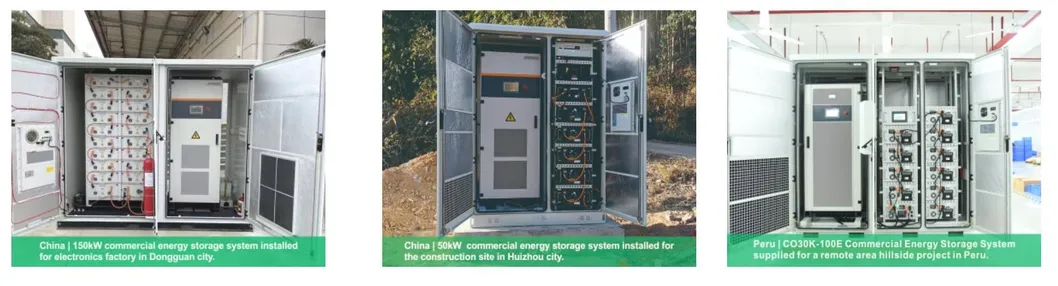
The All-in-one Industrial & Commercial ESS highly integrates PCS, LiFePO4 batteries, BMS, EMS, fire-fighting system, and heat dissipation system within a single cabinet. It serves as a high-power backup solution for commercial, industrial, and grid-level customers. This high-voltage energy storage system offers maximum flexibility for both rack-mounted and cabinet-based installations. Designed to be "Safer, Smarter, and Simpler," it effectively addresses power challenges in substations, outdoor areas, microgrids, factories, shopping malls, and solar charging stations.
Wide battery voltage range compatible with various operation environments; fully compatible with lithium-ion and lead-acid batteries.
Features off-grid cold start capability and supports multi-machine parallel function for scalable power needs.
Built-in safeguards for overcharge, over-discharge, overload, short-circuit, high temperature, and low temperature.
Offers the highest power density with a peak efficiency reaching 97.5%.
Flexible communication with BMS via RS485 and CAN interfaces for real-time command execution.
Small footprint designed for easy installation, transportation, and maintenance.
| Product Model | CO30K-50E | CO50K-100E | CO100K-215E | CO150K-300E |
|---|---|---|---|---|
| Electrical Parameter | ||||
| Nominal AC power | 30 kW | 50 kW | 100 kW | 150 kW |
| Nominal Grid Voltage | 400 Vac (3W+N) | |||
| Rated AC Output Current | 43.5 A | 72 A | 152 A | 200 A |
| Battery Parameter | ||||
| Cell Chemistry | Lithium Iron Phosphate (LFP) | |||
| Battery Energy Capacity | 51.2 kWh | 100 kWh | 215 kWh | 315 kWh |
| Cycle Life | 6000+ cycles | 10000+ cycles | ||
| Mechanical Parameter | ||||
| Monitoring System | Energy Management System (EMS) | |||
| Cooling Method | Air-Conditioner | |||
| Protection Degree | IP54 | |||
| Dimensions (W*D*H) | 800x1200x2100mm | 1000x1450x2100mm | 1738x1250x2330mm | Customized |
| Shipping & Payment | |
| Payment Terms | T/T, L/C, Cash, Western Union (Flexible) |
| Delivery | Sea, Air, Train, or Truck transportation |
| Packing | Carton box with wooden pallets or wooden crates |