💡 Product Description
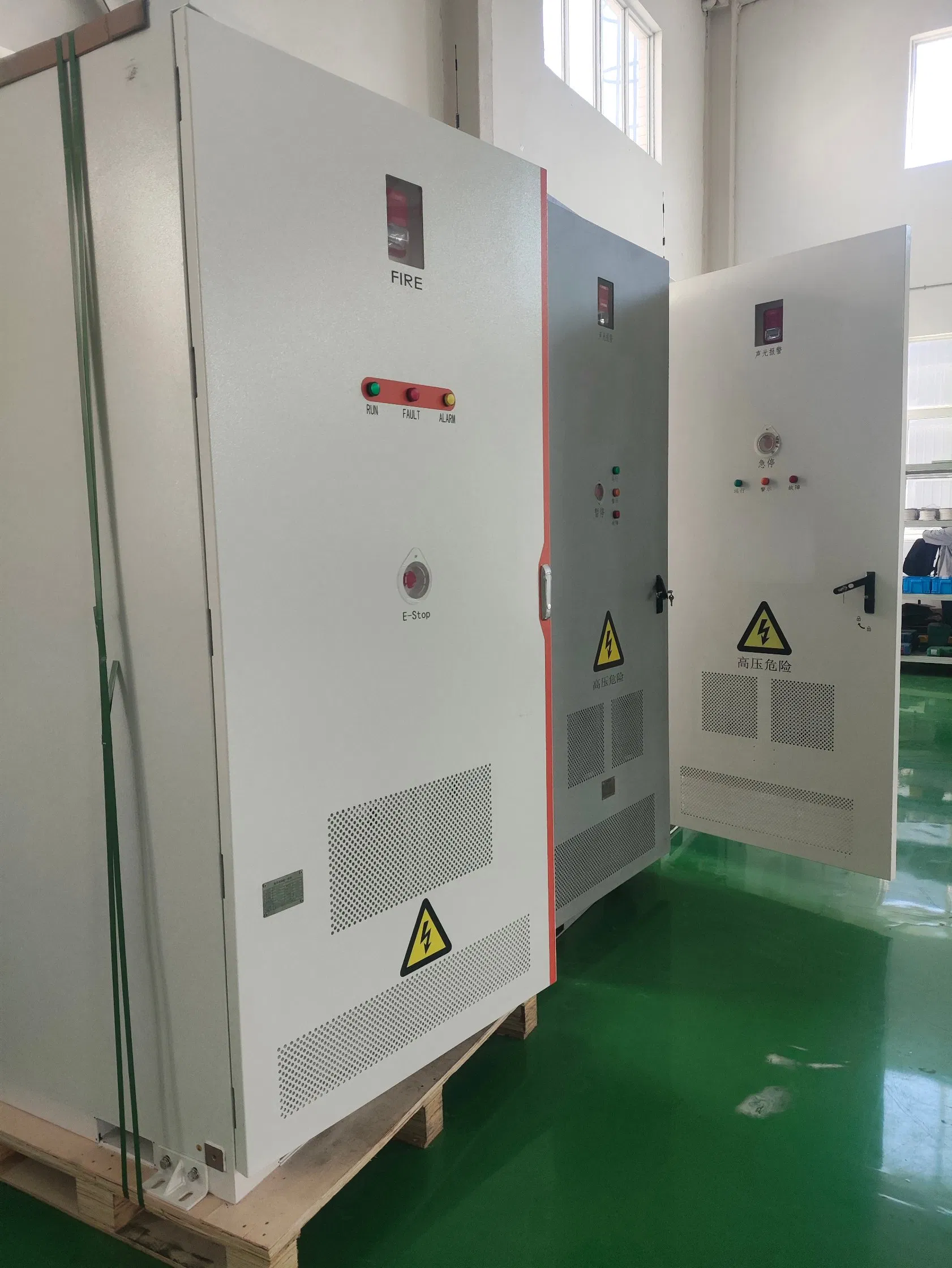
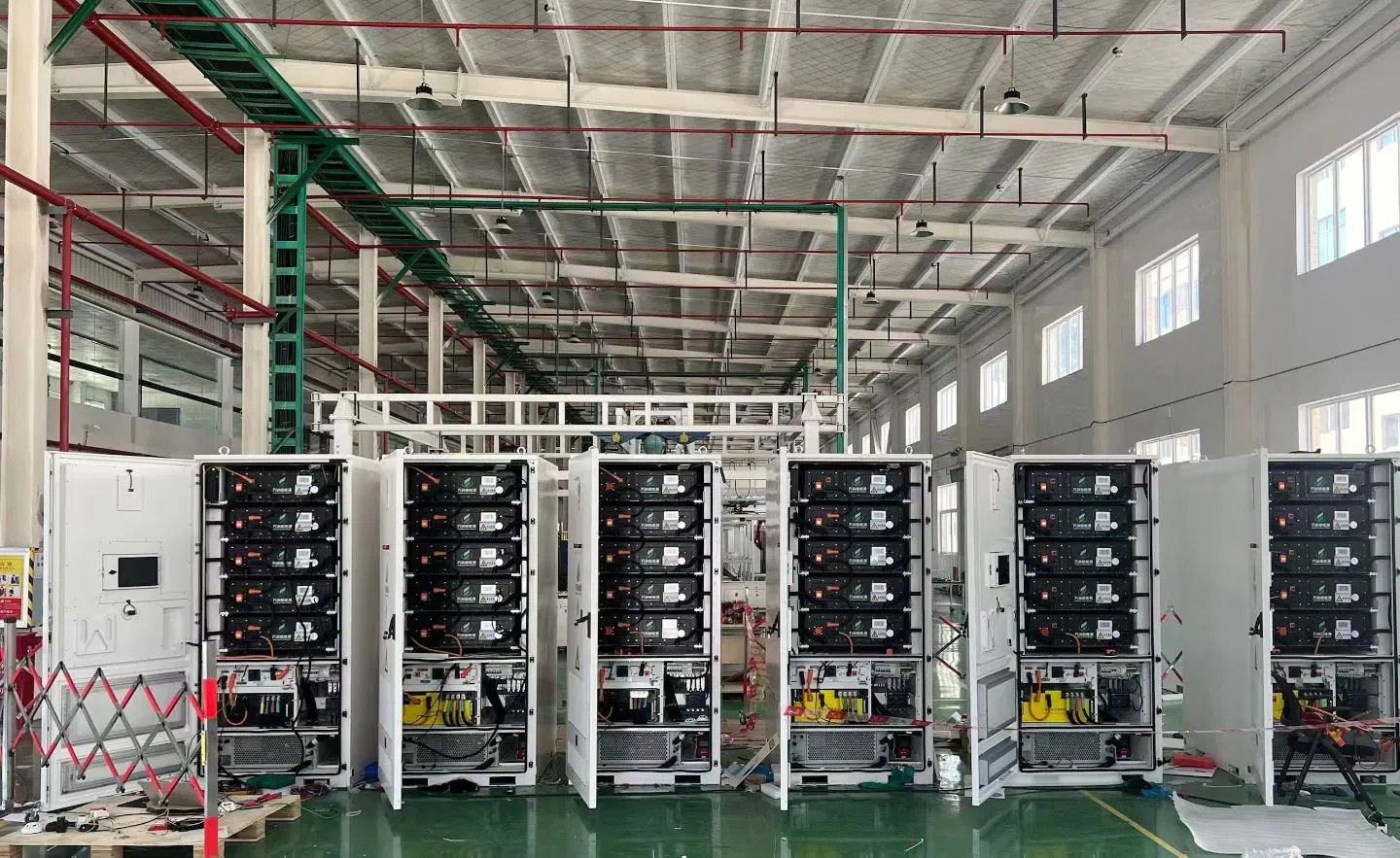
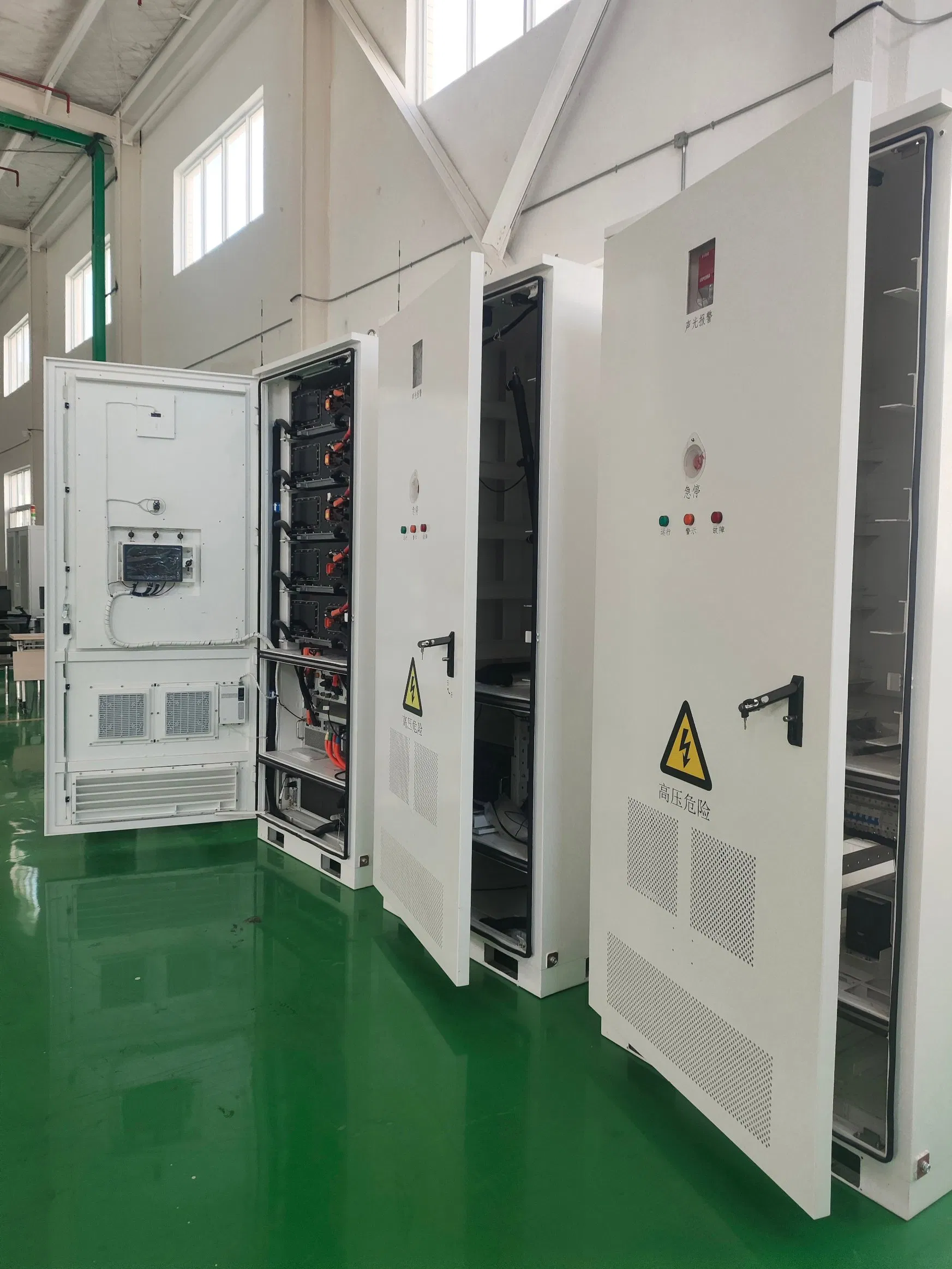
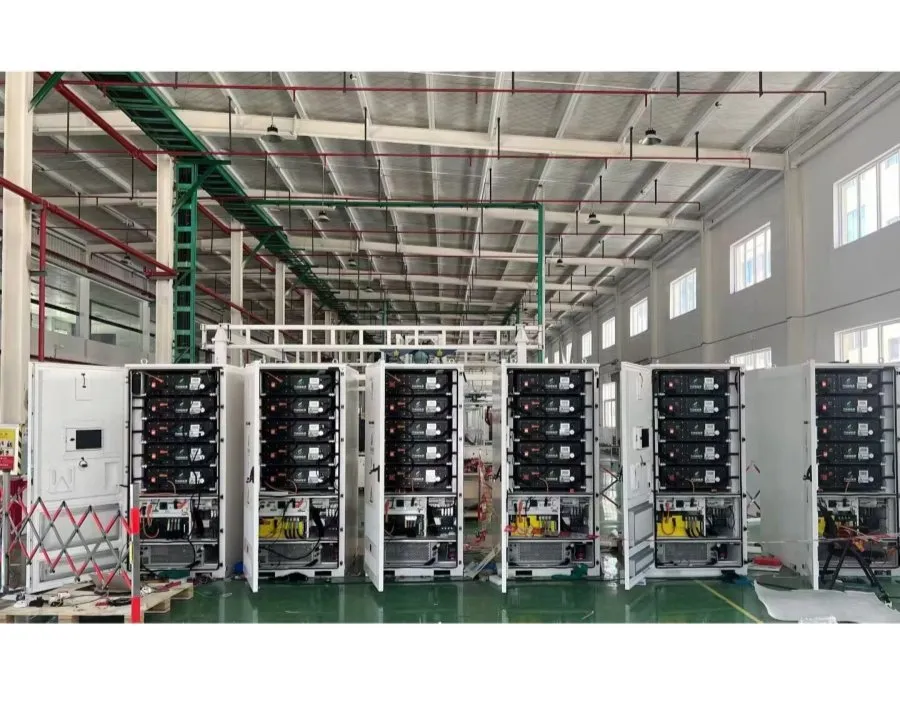
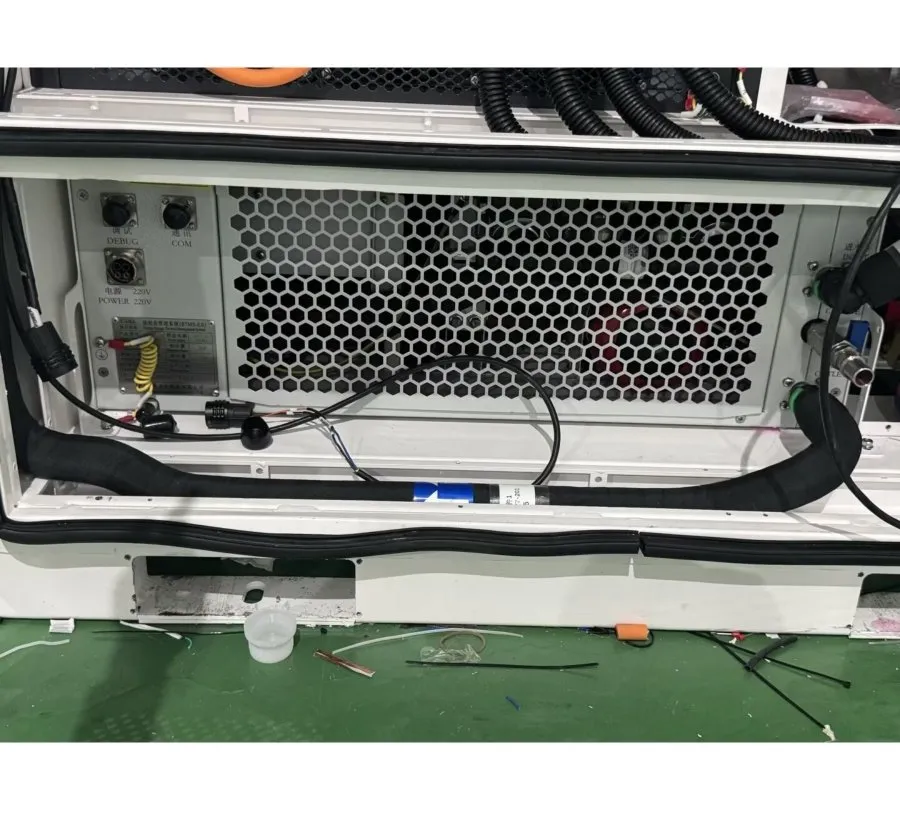
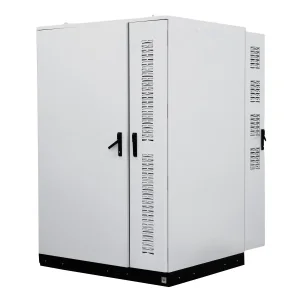
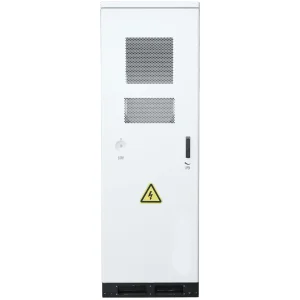
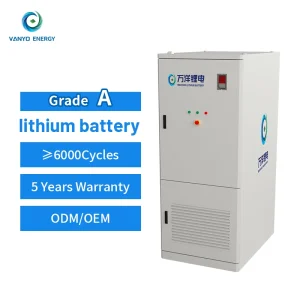
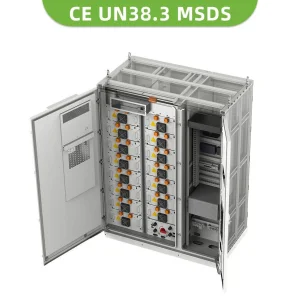
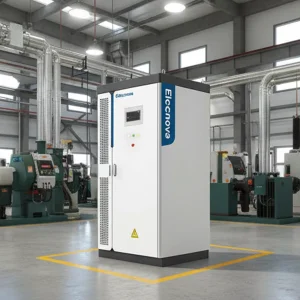
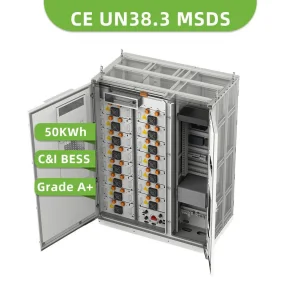
COMMERCIAL & INDUSTRIAL ENERGY STORAGE CABINET
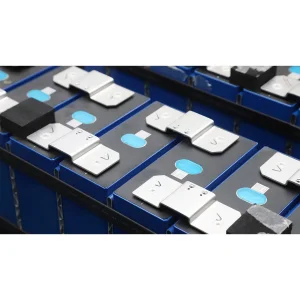
Our systems adopt LFP (Lithium Iron Phosphate) batteries, ensuring high safety and reliability—critical for long-term industrial operations. The energy capacity ranges from 112.54 kWh to 241 kWh, with high usable energy ratios, meeting diverse power demand scenarios.
The electrical parameters are optimized for industrial grids. Nominal DC voltage spans 358.4V to 832V, compatible with standard industrial power systems. Designed as grid-tied systems with MPPT (Maximum Power Point Tracking) functionality, they enable efficient integration with renewable energy sources like solar panels.
✅ Functional Advantages
Economic Value: Systems enable effective peak-valley tariff arbitrage—storing low-cost off-peak electricity and supplying it during high-tariff peak hours, directly cutting long-term energy expenses.
Safety & Reliability: Utilizing LFP batteries with excellent thermal stability and long cycle life. Stable AC400V output guarantees uninterrupted power for critical equipment, avoiding costly downtime.
📦 Transportation & Logistics
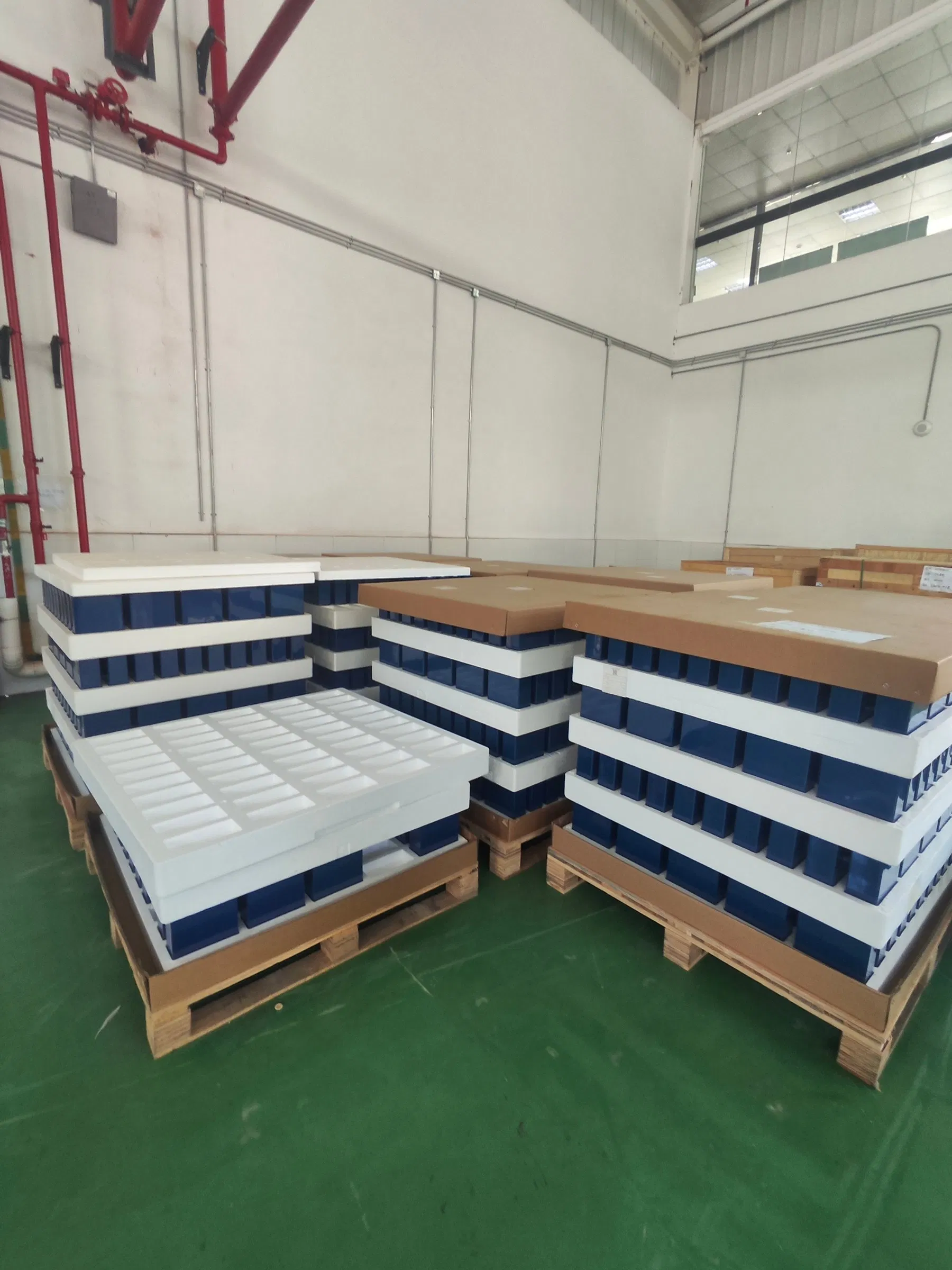
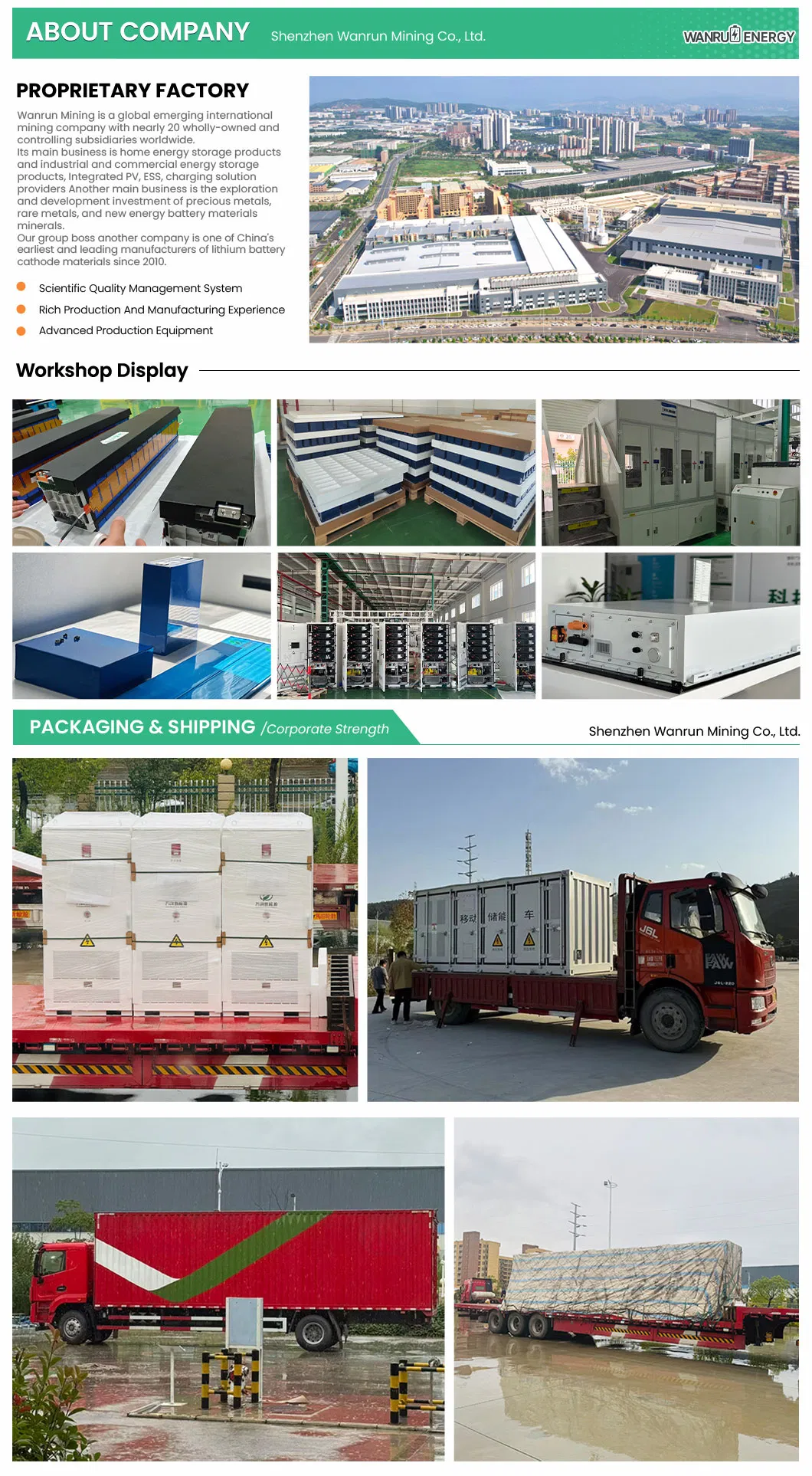
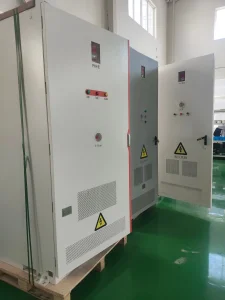
We provide reliable and secure transportation services. Large C&I units are secured in sturdy wooden crates or steel frames for transit protection. We ensure full-process tracking and custom protective packaging that is reinforced, shockproof, and moisture-resistant.
❓ Frequently Asked Questions
Q1. What is the lifespan of the batteries?
Lithium iron phosphate batteries typically offer 6,000-8,000 charge cycles, which is equivalent to 10-15 years of daily use, depending on maintenance and temperature.
Q2. Are these batteries suitable for solar systems?
Yes. Our batteries are specifically designed for seamless integration with photovoltaic (PV) arrays in residential, commercial, and industrial applications to store energy for night use.
Q3. Do the batteries include protective features?
Yes, they come equipped with a comprehensive Battery Management System (BMS) offering overcharge, over-discharge, short-circuit, and temperature protection.
Q4. How can I monitor the battery performance?
We provide a cloud-based monitoring platform via App and Web to track real-time performance, charging status, and health efficiency.
Q5. What are the advantages of your battery cells?
Leveraging upstream integration in cathode materials, we reduce intermediary costs, making our products 5-10% more cost-effective than competitors while maintaining top quality.
Q6. What application scenarios do your products serve?
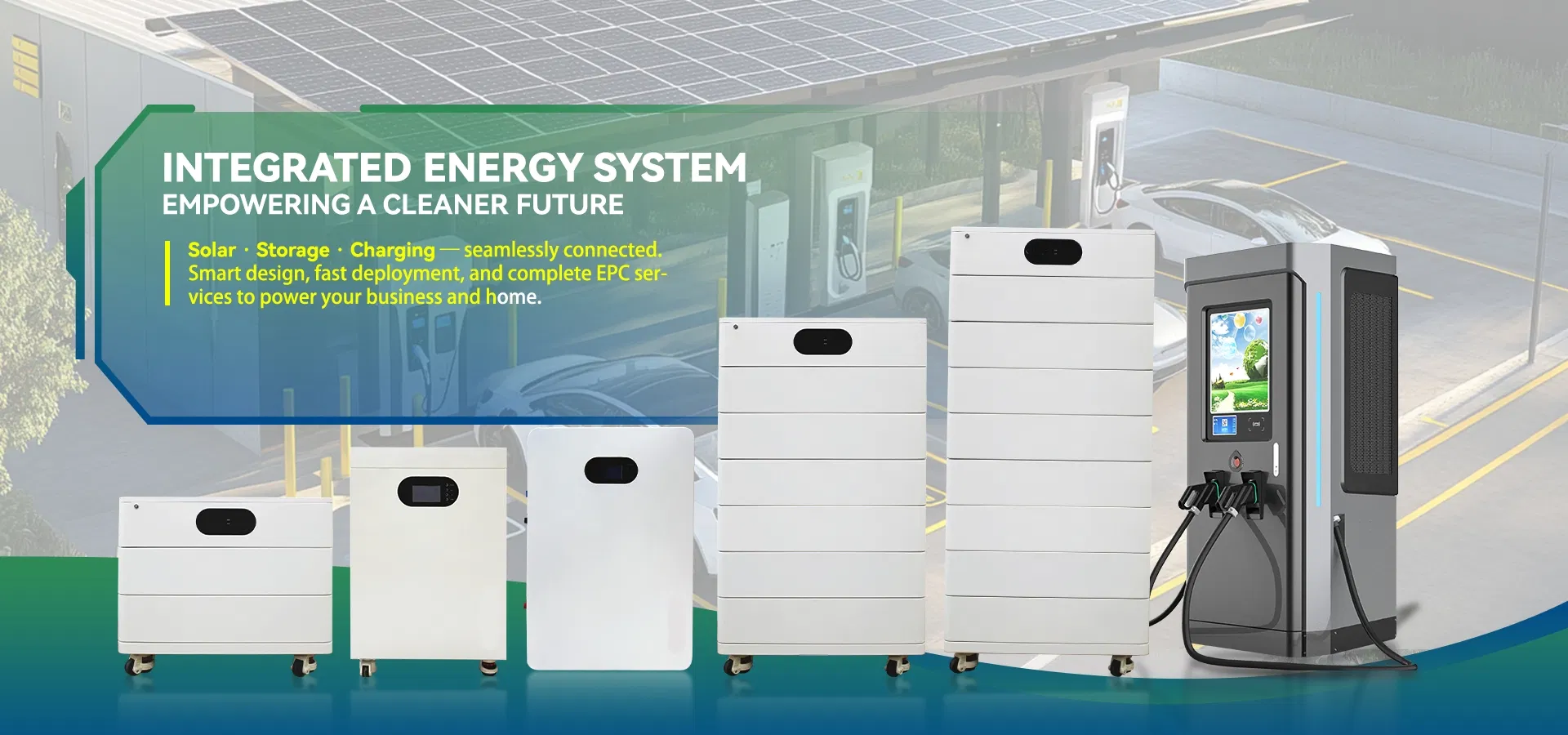
Our products are ideal for integrated solar-storage-charging systems, peak-valley electricity arbitrage, backup power supply, and emergency support.
 EnerNova Charger