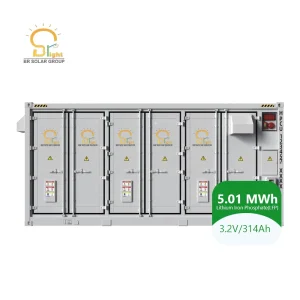
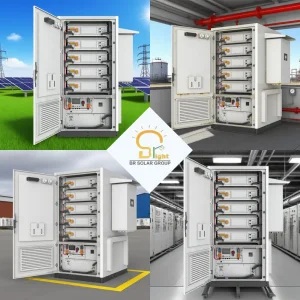
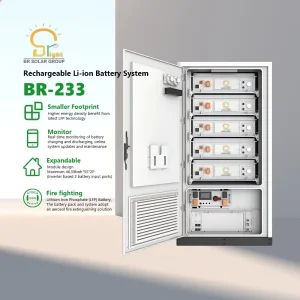
Safety Wres-Ci-25-261-125 Grid-Tied Industrial Battery Energy Storage for Exhibition Halls

Customization: Available
Power Configuration: 832
Cycle Life: ≥8000 @25℃

Product Description

Industrial Battery Energy Storage
📊

Basic Information

Model NO.
Commercial Energy Storage Battery
Product Name
C&I Energy Storage
Keywords
Industrial Energy Storage System
Total Energy (Kwh)
261
Usable Energy (Kwh)
245.57
Nominal Voltage (Vd.C)
832
Voltage Range (Vd.C)
728 ~ 936
Rated Capacity(Ah)
314
Max. PV Input Power(Kw)
137
Maximum Efficiency
99%
Corrosion Resistance
C4
Weight (Kg)
3180
Production Capacity
50000 pieces/Year
📝

Product Description

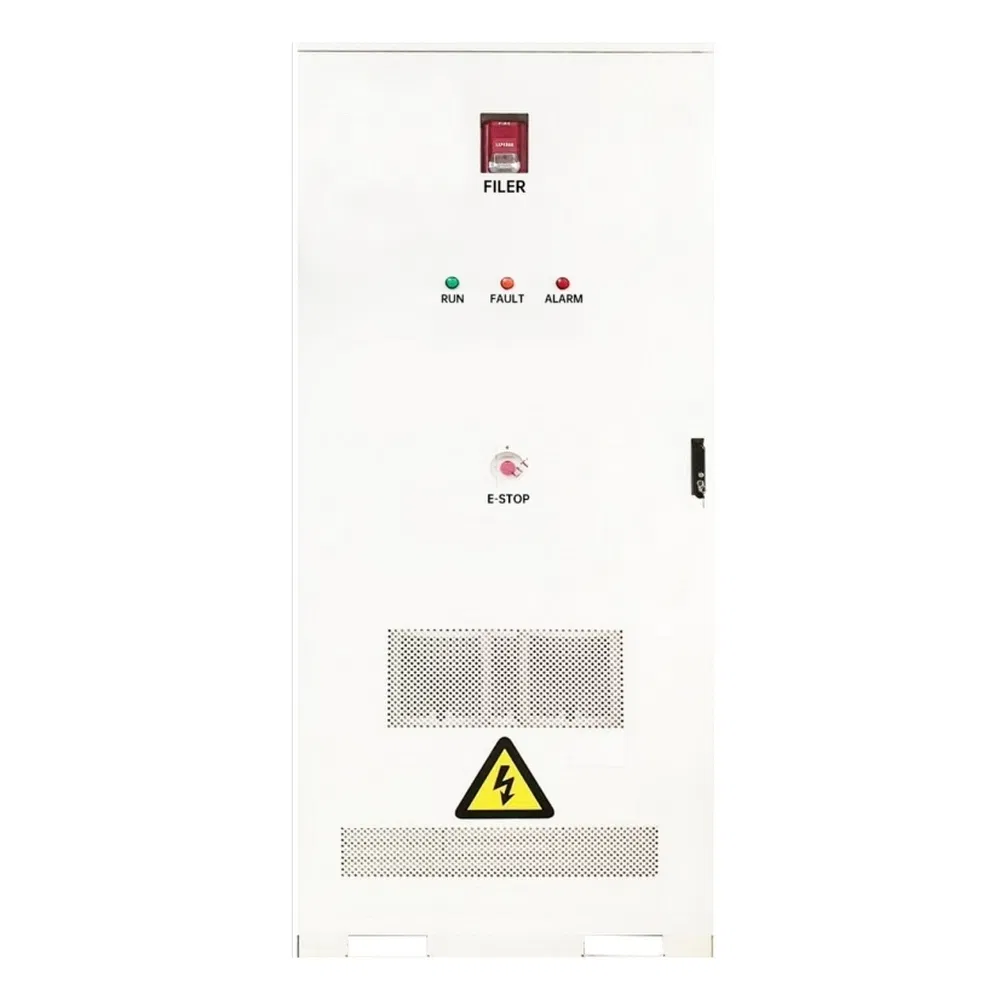
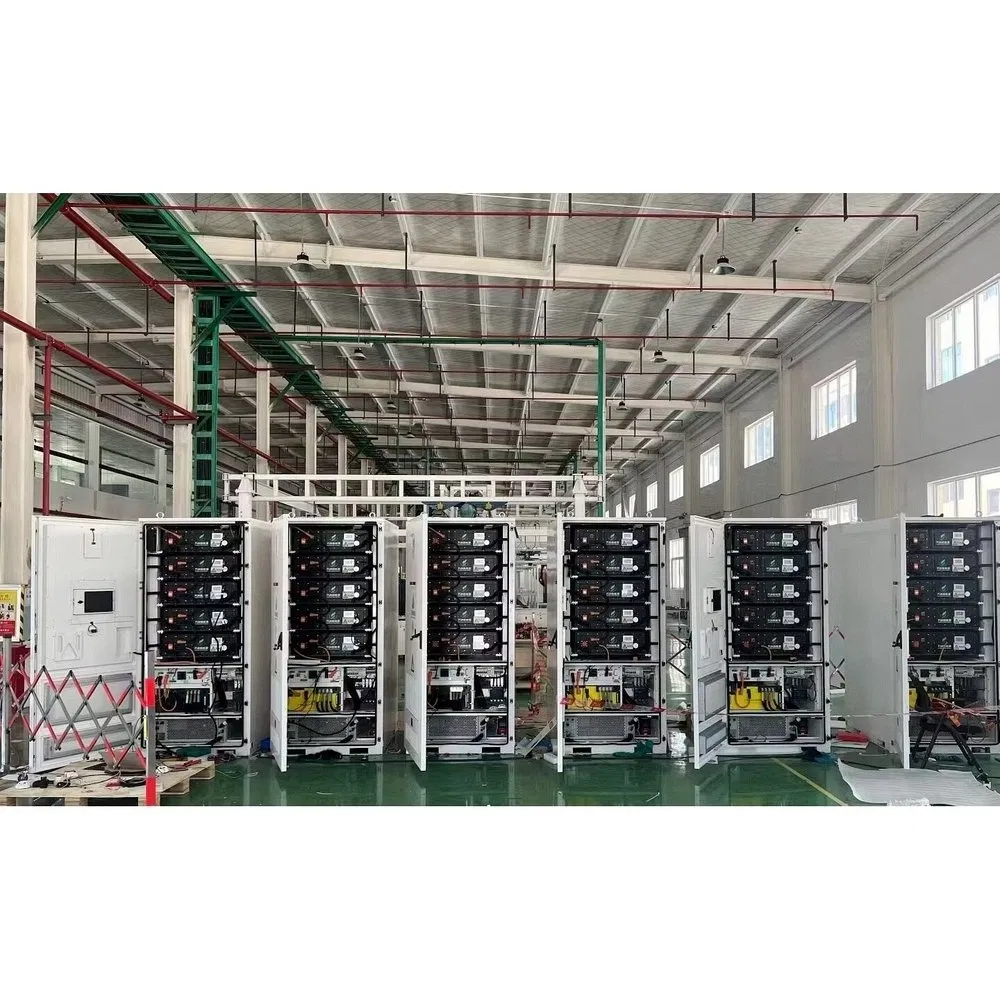
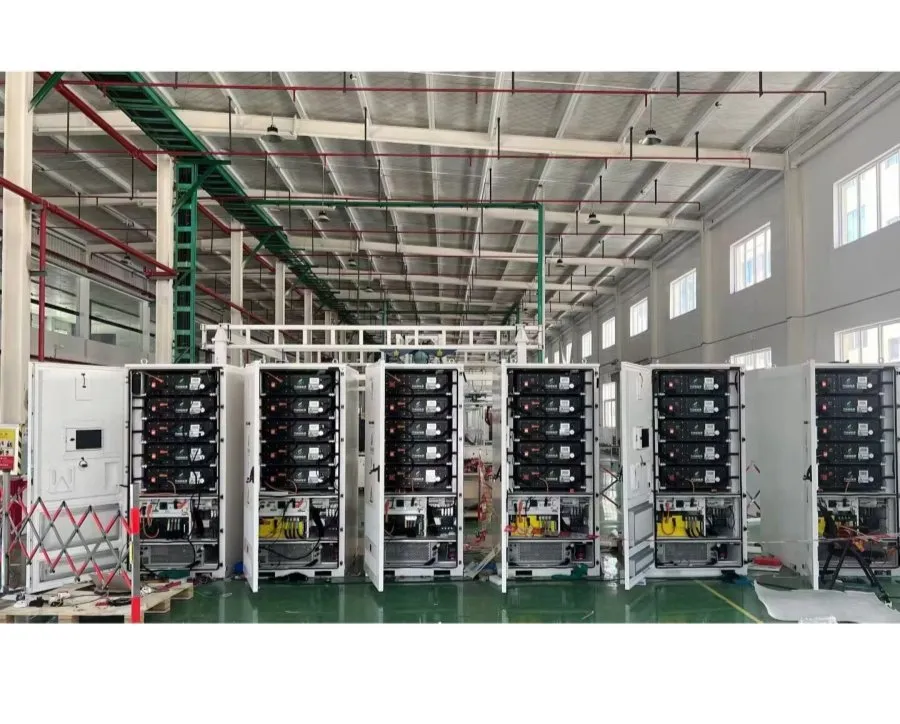
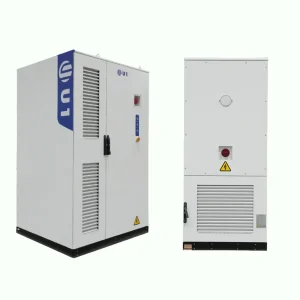
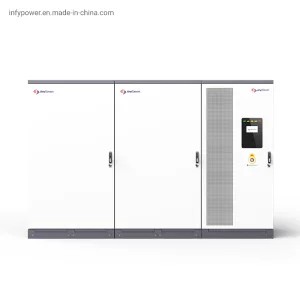
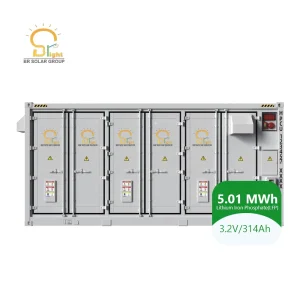
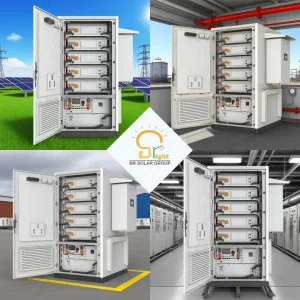
COMMERCIAL & INDUSTRIAL ENERGY STORAGE CABINET

These systems adopt LFP (Lithium Iron Phosphate) batteries, ensuring high safety and reliability—critical for long-term industrial operations. The energy capacity ranges from 112.54 kWh to 241 kWh, meeting diverse power demand scenarios with high usable energy ratios.

The electrical parameters are optimized for industrial grids. Nominal DC voltage spans 358.4V to 832V, adapting to different grid conditions. Most models feature 100KW rated power and AC 400V rated voltage, compatible with standard industrial power systems.

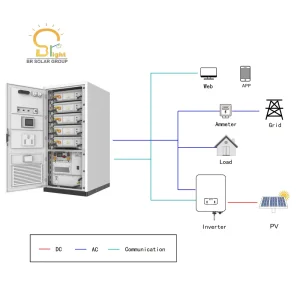
Designed as grid-tied systems with MPPT (Maximum Power Point Tracking) functionality (voltage range 200~800V), they enable efficient integration with renewable energy sources like solar panels. These products combine safety, flexibility, and grid compatibility for stable, scalable energy storage solutions.

📋

Technical Specifications

Parameter WRES-CI-25-261/125 Details
Total Energy (kWh)261
Usable Energy (kWh)245.57
Nominal Voltage (Vd.c)832
Voltage Range (Vd.c)728~936
Rated Capacity (Ah)314
Max. PV Input Power (kW)137
Nominal Grid Voltage (V)230/400V, 3L+N+PE
Maximum Efficiency99%
Corrosion ResistanceC4
Dimension (W*H*D) (mm)1055*2300*1300
Cycle Life≥8000 @ 25°C
Storage Temperature-20°C to 55°C
🚀

Functional Advantages

Advantage 1
Advantage 2

Economic Value: Systems enable effective peak-valley tariff arbitrage—storing low-cost off-peak electricity and supplying it during high-tariff peak hours, directly cutting expenses for manufacturing and logistics.

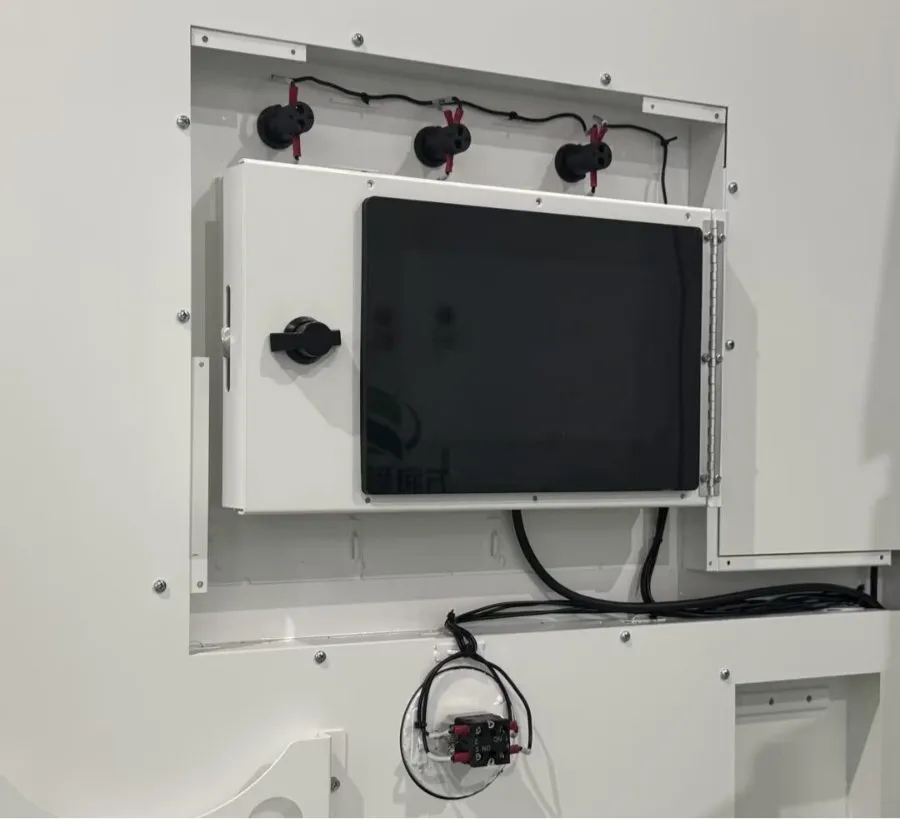
Safety & Reliability: Adopting LFP batteries features excellent thermal stability and long cycle life. Stable AC400V output guarantees uninterrupted power for critical equipment, avoiding costly downtime.
Advantage 3
Advantage 4

Strong Adaptability: Wide DC voltage ranges and MPPT compatibility allow systems to seamlessly integrate with on-site solar/wind energy and adapt to diverse grid conditions.

💡

Core Applications

Peak-Valley Arbitrage
Store electricity during low-tariff hours and discharge during peak periods to reduce monthly costs.
Backup Power
Ensure uninterrupted supply to production lines, data servers, and refrigeration during grid outages.
Renewable Integration
Increase self-consumption of clean energy by storing excess solar or wind power.
Grid Stability
Balance fluctuating electrical loads and reduce pressure on the public grid.
🚚

Transportation & Logistics

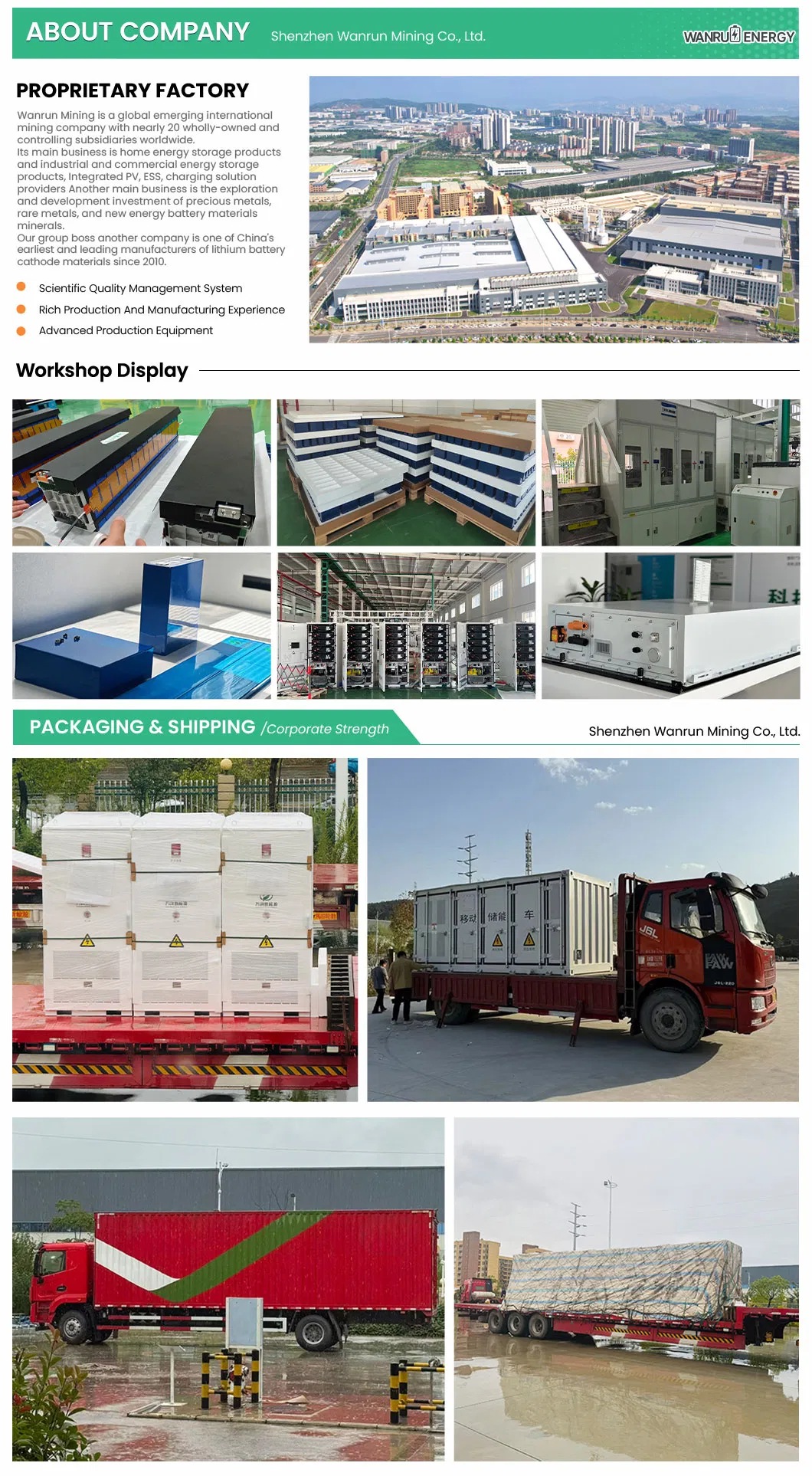
We provide secure transportation services with full-process tracking and custom protective packaging. Large C&I units are secured in sturdy wooden crates or steel frames. Our logistics support ensures efficient delivery for the success of your energy projects.
Transport 1
Transport 2
Transport 3
Transport 4
Transport 5
Transport 6

Frequently Asked Questions

Q1: What type of battery technology is used in these systems?
The systems utilize high-safety Lithium Iron Phosphate (LFP) batteries, known for thermal stability and long cycle life.
Q2: What is the expected lifespan of the battery units?
These batteries typically offer 6,000 to 8,000 charge cycles, which equates to approximately 10 to 15 years of daily use.
Q3: Can these systems integrate with solar power?
Yes, they are designed as grid-tied systems with 200-800V MPPT compatibility, allowing seamless integration with photovoltaic solar arrays.
Q4: Are there built-in protection features?
Yes, a comprehensive Battery Management System (BMS) is included, providing protection against overcharge, over-discharge, short-circuits, and temperature fluctuations.
Q5: How can I monitor the performance of the energy system?
Performance can be tracked via a cloud-based monitoring platform accessible through web and mobile applications for real-time data insights.
Q6: Do these systems support backup power during outages?
Absolutely. They provide stable AC400V output to power critical equipment like production lines and data servers when the grid fails.

Related Products