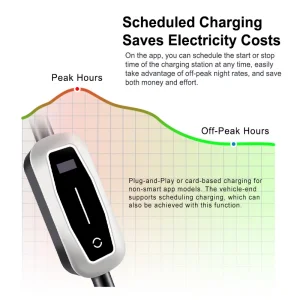
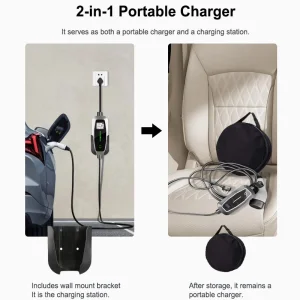
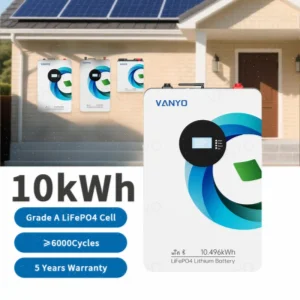
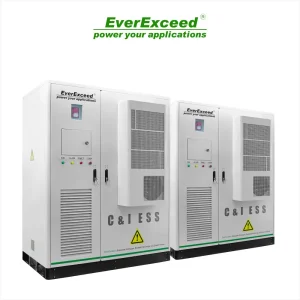
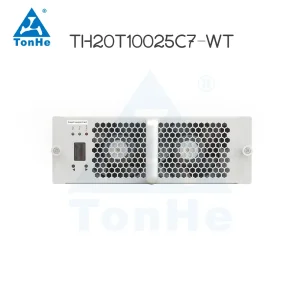
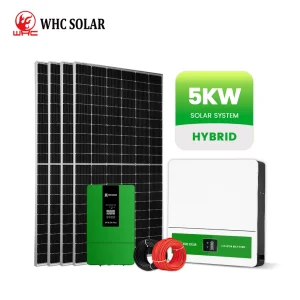
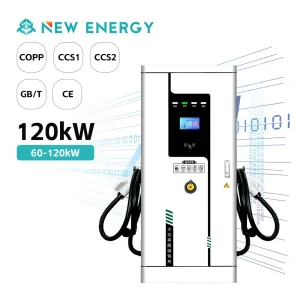
Explore our premium grade charging hardware configurations designed for direct deployment, featuring smart load balancing and standard network protocols.
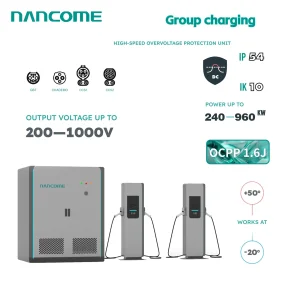
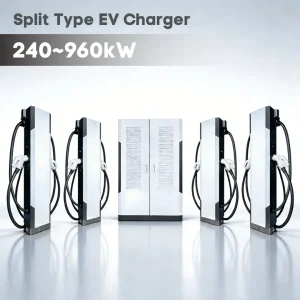
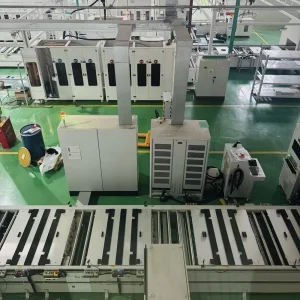
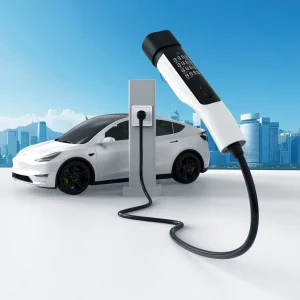
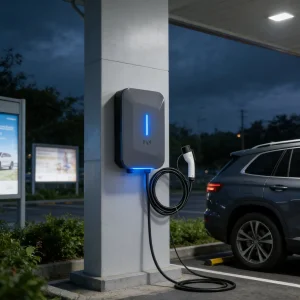
Understanding the critical demand for specialized custom OEM charger solutions across logistics networks, commercial facilities, and utility-scale grids.
As the electric vehicle sector reaches maturity, standard off-the-shelf charging units are increasingly failing to meet the complex technological requirements of commercial operations. Municipal transit networks, heavy-duty logistics fleets, and multi-tenant residential complexes require tailored electrical and software integrations. High-capacity DC systems and scalable AC portfolios must align with grid capacity limitations while supporting intelligent power distribution and dynamic load management.
By leveraging dedicated OEM factories and exporting services, enterprise operators can integrate specialized functionalities directly at the manufacturing level. This avoids expensive post-purchase modifications and guarantees that charging units comply with local regional policies, safety requirements, and operational communication standards.

Modular housing tailored for extreme environmental conditions, utilizing IP65/IK10 materials, anti-graffiti finishes, and customized brand aesthetics for regional operators.
Integration of Silicon Carbide (SiC) semiconductor modules to achieve conversion efficiencies exceeding 96.5%, dramatically reducing localized thermal loss.
Full support for Open Charge Point Protocol (OCPP) 1.6J and 2.0.1, enabling real-time remote telemetry, pricing customization, and load balancing algorithms.
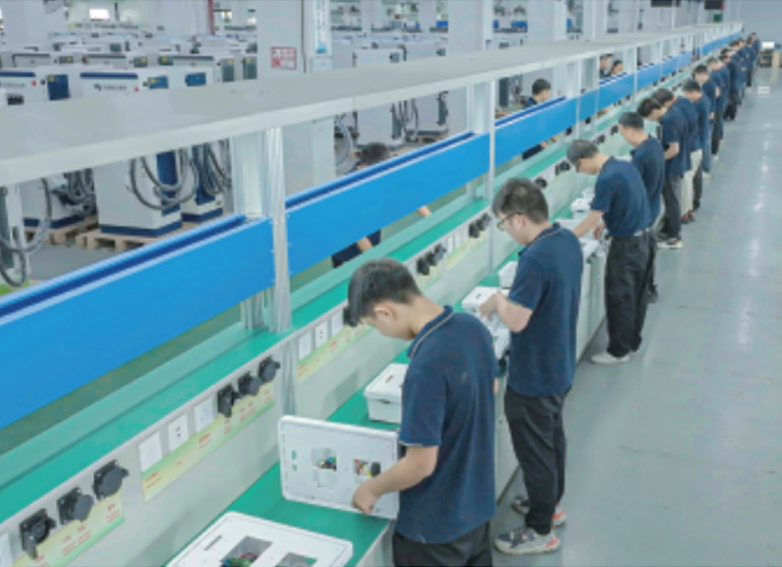
Hangzhou EnerNova Charger Co., Ltd. is a leading innovator in the field of electric vehicle charging and smart energy solutions. Specializing in both AC and DC EV charging technologies, the company provides a comprehensive range of products and services designed to meet the diverse needs of residential, commercial, and fleet customers.
EnerNova’s portfolio includes home EV chargers, fast DC charging stations, intelligent charging power management systems, and advanced energy storage solutions. By integrating cutting-edge hardware with smart software, the company ensures optimized charging efficiency, real-time monitoring, and reliable energy management for all applications.
Committed to sustainability and the development of green transportation, Hangzhou EnerNova emphasizes seamless integration of renewable energy sources with its charging and storage systems. Its solutions support vehicle-to-grid (V2G) applications, load balancing, and intelligent energy optimization, helping customers reduce operational costs while enhancing grid stability.
With rigorous quality standards, continuous R&D investment, and a customer-centric approach, EnerNova has established itself as a trusted partner in the EV and smart energy industry. The company’s innovative technologies empower users to adopt cleaner, smarter, and more efficient energy solutions, paving the way for the future of intelligent mobility.
Key evolutionary steps in commercial charging systems designed to maximize utility lifetime and grid resilience.
Traditional charging systems are insufficient for heavy commercial vehicles. Our megawatt liquid-cooled technology handles up to 1000V DC and currents exceeding 1000A, reducing tractor-trailer charge times to under 30 minutes.
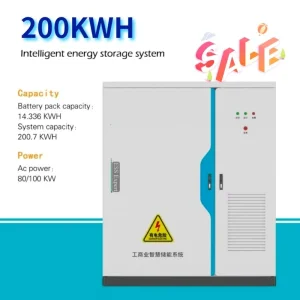
Integrating battery energy storage systems (BESS) directly with charging equipment allows operators to store energy during off-peak windows and discharge during high-demand periods. This lowers demand charges and stabilizes the grid connection.
Embedded sensors continuously monitor three-phase line current, automatically adjusting power output per connector. This prevents voltage sag on local distribution networks and reduces installation cost by minimizing upstream upgrades.
Enterprise platforms combine robust charging hardware with smart software to optimize operational expenditure.
By connecting to local utility APIs via OCPP, systems dynamically adjust charging rates. Fleet managers can execute feed-in tariff optimization and lower charging costs without affecting deployment cycles.
For remote industrial complexes and highway corridors lacking grid connection, customized containerized solar and battery systems provide high-efficiency off-grid power to charging terminals.
Rather than placing heavy transformer components in individual parking bays, modular systems split the main high-power rectifier cabinet from user dispensers. This maximizes space and facilitates simpler modular upgrades.
In-depth responses to critical engineering, manufacturing, and trade compliance inquiries.
Liquid-cooled systems use a specialized coolant mixture to transfer heat directly away from the charging cable and pins. This allows for significantly higher power outputs (over 400 kW) without increasing cable thickness or weight. This provides a user-friendly charging process while preventing component degradation from thermal stress, lowering operational expenses.
OCPP 2.0.1 offers improved security configurations, enhanced transaction processing, and support for ISO 15118 (Plug & Charge). It enables better diagnostic capabilities, allowing station operators to identify and resolve software errors remotely, reducing the need for on-site maintenance.
Our storage systems use multi-tier protection configurations, including cell-level monitoring (BMS), thermal runaway isolation, deflagration venting, and integrated fire suppression. All industrial containers meet international safety standards (such as UL 9540A and IEC 62619).
Yes, as a specialized OEM exporter, we configure products to meet regional electrical standards. This includes adapting chargers for split-phase and three-phase systems, and integrating Type 1 (SAE J1772), Type 2 (Mennekes), CCS1, CCS2, and NACS connector configurations to meet local grid and vehicle standards.
Peak arbitrage software monitors utility pricing structures. During high-tariff periods, the system discharges stored energy from the battery pack to power connected vehicles, avoiding peak-demand charges. During low-tariff periods, the system draws power from the grid to recharge the storage cells.
Our power modules, utilizing high-performance Silicon Carbide (SiC) semiconductors, are rated for an operational lifespan exceeding 100,000 hours under standard conditions. The modular design allows technicians to hot-swap modules quickly, minimizing system downtime.
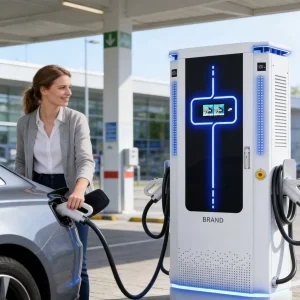
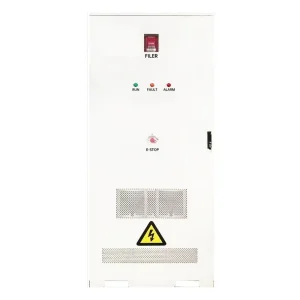
Explore our high-efficiency battery containment systems, sub-station UPS cabinets, and multi-cabinet fast chargers designed for commercial and industrial settings.

 EnerNova Charger