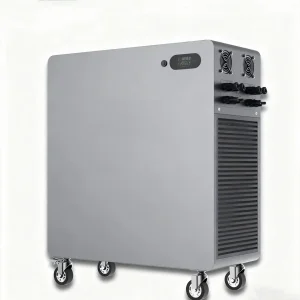
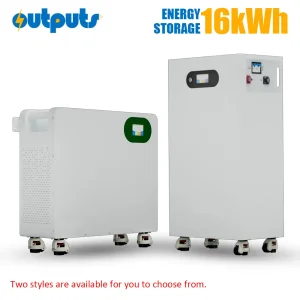
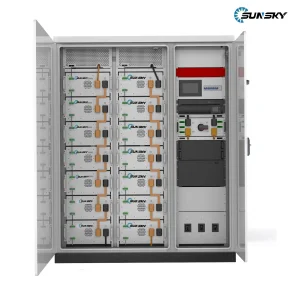
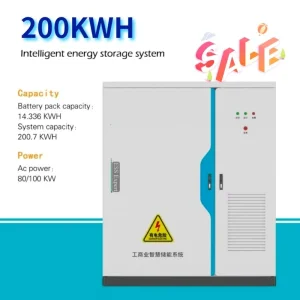
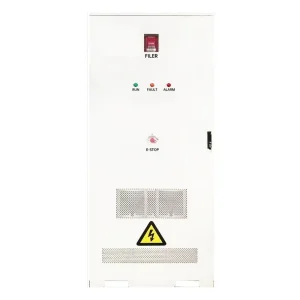
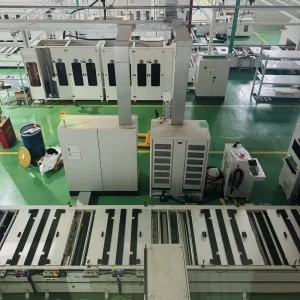
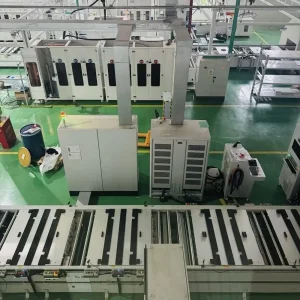
The global transition toward renewable energy is no longer a peripheral trend—it is a central pillar of modern industrial strategy. Scalable Battery Storage Units have emerged as the critical technology bridging the gap between intermittent renewable generation (solar and wind) and continuous industrial demand. From the bustling manufacturing hubs in Southeast Asia to the grid-conscious regions of Europe and North America, BESS (Battery Energy Storage Systems) are transforming how businesses manage their carbon footprint and energy costs.
In 2024, the commercial and industrial (C&I) sector accounts for over 30% of global electricity consumption. As grid instability increases due to extreme weather events and aging infrastructure, global enterprises are shifting from passive consumption to active energy management. Scalability is the keyword here; companies require systems that can grow alongside their operational expansion, starting with small pilot modular units and scaling up to multi-megawatt containerized solutions.
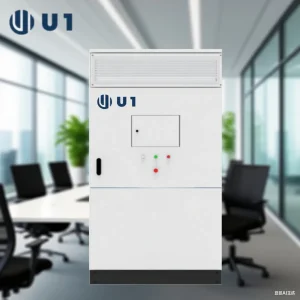
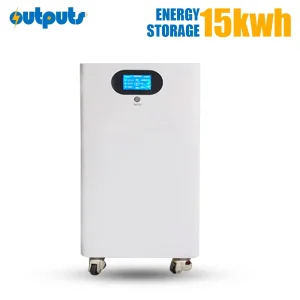
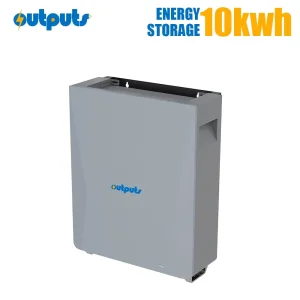
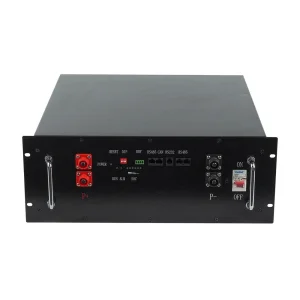
Modern storage units are moving toward "Plug & Play" modularity. Instead of custom-built monolithic systems, factories are adopting standardized rack-mounted units that allow for hot-swapping and effortless capacity expansion.
Artificial Intelligence is now integrated into the Battery Management System (BMS) to predict cell degradation, optimize charging cycles based on weather forecasts, and maximize the ROI of every kilowatt stored.
Safety is the primary concern for industrial users. Lithium Iron Phosphate (LiFePO4) has become the industry standard due to its thermal stability, long lifespan (up to 15 years), and eco-friendly composition.
Furthermore, the "Energy-as-a-Service" (EaaS) model is gaining traction. Global procurers are no longer just looking for hardware; they seek integrated solutions including liquid cooling for thermal management, IP65-rated outdoor cabinets for harsh environments, and seamless hybrid grid-tied capabilities. The trend is moving toward higher energy density in smaller footprints, allowing urban commercial facilities with limited space to install significant storage capacity.
Industrial Parks: Large-scale containerized BESS for load balancing and voltage regulation.
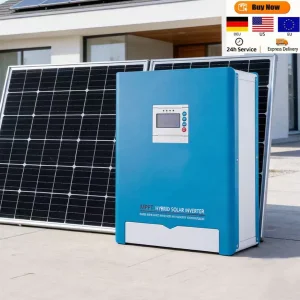
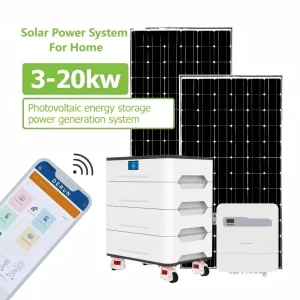
C&I Rooftops: Combining solar PV with rack-mounted storage to achieve 24/7 self-consumption.
EV Charging Hubs: Buffering the grid against high-power DC fast charging demands to prevent grid overload.
Residential Balconies: Compact 5-10kWh systems for urban apartments in high-tariff regions like Germany and Italy.
From PCB design and BMS firmware coding to structural engineering and final assembly, we offer complete customization to meet your local brand requirements.
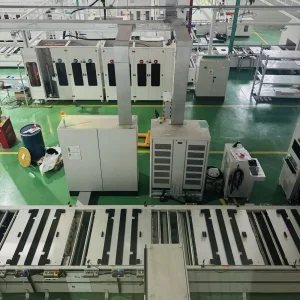
Our factory is ISO9001 certified. All products undergo rigorous aging tests and hold CE, UL, UN38.3, and IEC certifications for global market access.
Located in Hangzhou, we have direct access to Tier-1 LiFePO4 cell suppliers, ensuring competitive pricing and stable lead times even during market volatility.
We don't just build batteries; we build "Smart Energy Hubs." Our latest systems feature liquid-cooling technology which extends battery life by 20% compared to traditional air-cooling. With integrated V2G (Vehicle-to-Grid) support and high-performance inverters, our solutions are future-proofed for the next decade of energy evolution.
Hangzhou EnerNova Charger Co., Ltd. is a leading innovator in the field of electric vehicle charging and smart energy solutions. Specializing in both AC and DC EV charging technologies, the company provides a comprehensive range of products and services designed to meet the diverse needs of residential, commercial, and fleet customers.
EnerNova’s portfolio includes home EV chargers, fast DC charging stations, intelligent charging power management systems, and advanced energy storage solutions. By integrating cutting-edge hardware with smart software, the company ensures optimized charging efficiency, real-time monitoring, and reliable energy management for all applications.

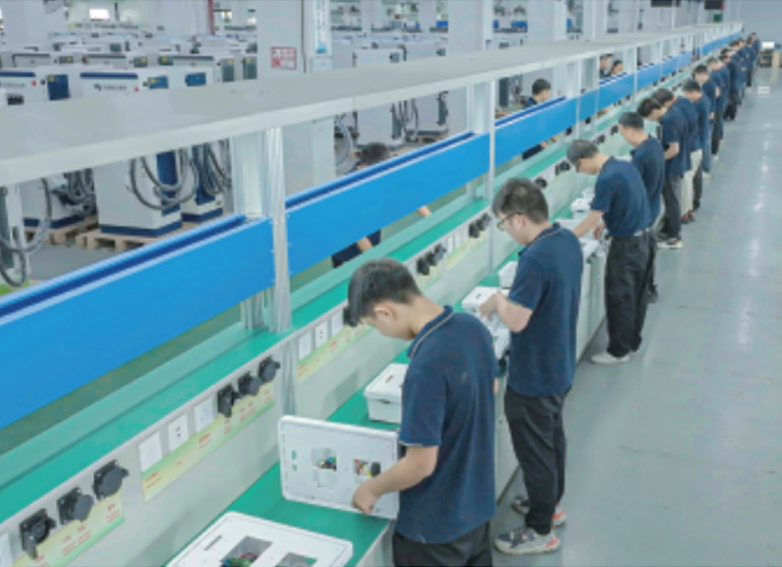
Committed to sustainability and the development of green transportation, Hangzhou EnerNova emphasizes seamless integration of renewable energy sources with its charging and storage systems. Its solutions support vehicle-to-grid (V2G) applications, load balancing, and intelligent energy optimization, helping customers reduce operational costs while enhancing grid stability.
With rigorous quality standards, continuous R&D investment, and a customer-centric approach, EnerNova has established itself as a trusted partner in the EV and smart energy industry. The company’s innovative technologies empower users to adopt cleaner, smarter, and more efficient energy solutions, paving the way for the future of intelligent mobility.
 EnerNova Charger