Industrial-grade energy storage systems, intelligent management platforms, and ultra-fast charging hardware engineered for maximum operational uptime and grid stability.
The global transition toward decentralized clean energy architectures and total electromobility has transformed battery technology from a simple commodity component into a high-precision, strategic infrastructure asset. Enterprise energy procurement teams, commercial facility operators, and grid-scale developers are navigating an unprecedented shift: fluctuating energy spot prices, rigorous carbon emission compliance requirements, and peak demand charges that threaten baseline operational profitability.
China has established itself as the world’s ultimate ecosystem for high-performance battery manufacturing, representing over 75% of global lithium-ion manufacturing capacity. Top Chinese battery factories and tier-1 original equipment manufacturers (OEM/ODM) have moved far beyond basic mass production. Today, leading Chinese manufacturers lead the world in advanced cell chemistry, zero-carbon gigafactory production line automation, integrated Battery Management System (BMS) micro-architectures, and long-duration energy storage system (BESS) containerization.
Modern commercial and industrial (C&I) buyers require solutions that balance high gravimetric and volumetric energy density with absolute thermal safety, long cycle life, and low levelized cost of storage (LCOS). This whitepaper provides procurement directors, systems integrators, and engineering executives with an actionable framework for evaluating, selecting, and deploying top-tier high-performance battery systems and EV charging solutions manufactured in China.
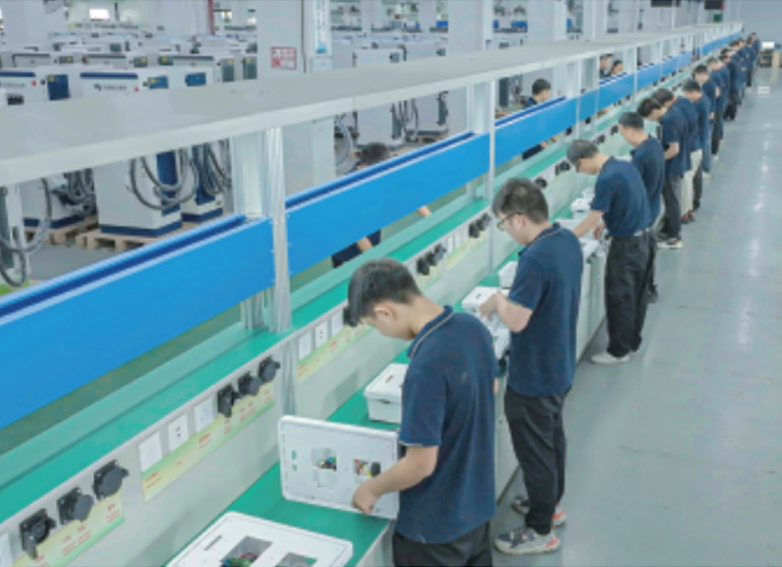
Hangzhou EnerNova Charger Co., Ltd. is a leading innovator in the field of electric vehicle charging and smart energy solutions. Specializing in both AC and DC EV charging technologies, the company provides a comprehensive range of products and services designed to meet the diverse needs of residential, commercial, and fleet customers.
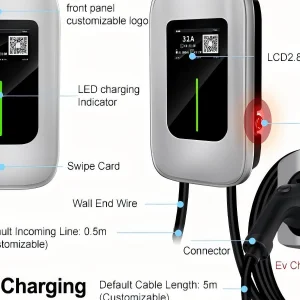
EnerNova’s portfolio includes home EV chargers, fast DC charging stations, intelligent charging power management systems, and advanced energy storage solutions. By integrating cutting-edge hardware with smart software, the company ensures optimized charging efficiency, real-time monitoring, and reliable energy management for all applications.
Committed to sustainability and the development of green transportation, Hangzhou EnerNova emphasizes seamless integration of renewable energy sources with its charging and storage systems. Its solutions support vehicle-to-grid (V2G) applications, load balancing, and intelligent energy optimization, helping customers reduce operational costs while enhancing grid stability.
With rigorous quality standards, continuous R&D investment, and a customer-centric approach, EnerNova has established itself as a trusted partner in the EV and smart energy industry. The company’s innovative technologies empower users to adopt cleaner, smarter, and more efficient energy solutions, paving the way for the future of intelligent mobility.

Evaluating cell chemistries, solid-state advancements, active thermal management systems, and smart BMS integration.
Lithium Iron Phosphate (LiFePO4) remains the gold standard for stationary storage and commercial EV fleets. Featuring intrinsic thermal stability, zero cobalt exposure, and cycle counts exceeding 6,000 to 10,000 cycles at 80% Depth of Discharge (DoD), LFP drastically minimizes fire risk while securing low Levelized Cost of Storage (LCOS).
Modern high-performance battery systems feature automotive-grade BMS controllers equipped with localized edge-AI diagnostic chips. Continuous cell-level voltage telemetry, active cell balancing (>5A current balance), state-of-charge (SoC), and state-of-health (SoH) algorithms ensure premature thermal anomalies are eliminated before escalation.
Moving from traditional forced-air cooling to closed-loop liquid cooling systems allows containerized BESS units to keep internal cell temperature variances under 2.5°C. This uniform thermal profile eliminates localized thermal degradation, increases overall system efficiency by 4%, and extends system lifetime by up to 30%.
| Technology Parameter | Standard LiFePO4 (LFP) | High-Nickel NCM/NCA | Sodium-Ion (Na-Ion) | Solid-State Lithium (Next-Gen) |
|---|---|---|---|---|
| Volumetric Energy Density | 350 - 420 Wh/L | 600 - 750 Wh/L | 250 - 320 Wh/L | 800 - 1000+ Wh/L |
| Cycle Life (80% DoD) | 6,000 - 10,000+ Cycles | 2,000 - 3,500 Cycles | 4,000 - 6,000 Cycles | 5,000+ Cycles (Targeted) |
| Thermal Runaway Point | ~270°C (Extremely Safe) | ~210°C (Requires Active Mitigation) | ~290°C (Inherent Safety) | >350°C (Non-Flammable Solid) |
| Low-Temp Operation (-20°C) | 70% Retained Capacity | 82% Retained Capacity | 90% Retained Capacity | 88% Retained Capacity |
| Primary Target Application | C&I BESS, ESS Containers, EV Fleets | Long-Range Passenger EVs | Telecom Backup, Micro-Mobility | Aerospace, Premium Vehicles |
Deploying high-performance batteries requires seamless integration across power electronics, grid interconnects, communication protocols, and cloud management software. Below are primary architectural domains where top Chinese factory solutions deliver significant competitive advantage:
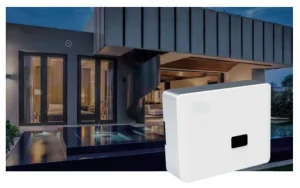
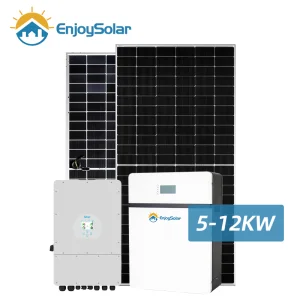
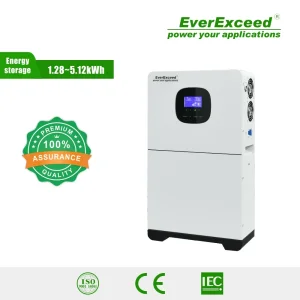
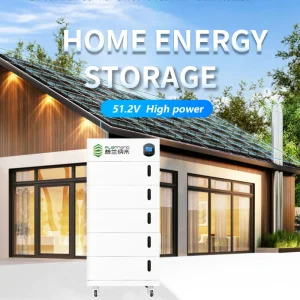
Integrated household solar energy storage systems combining single-phase/three-phase hybrid inverters (5kW - 15kW) with modular, expandable LiFePO4 battery modules (10kWh - 40kWh). Designed with zero-gap grid switching, clean sine-wave output, smart app monitoring, and IP65 outdoor protection.
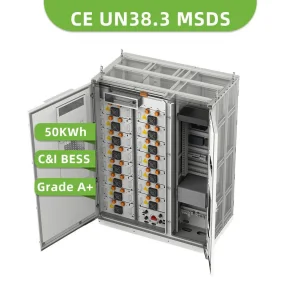
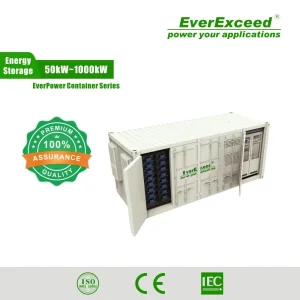
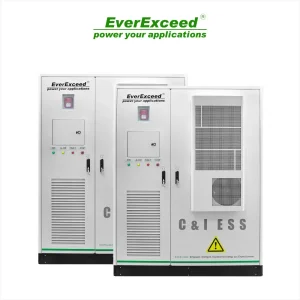
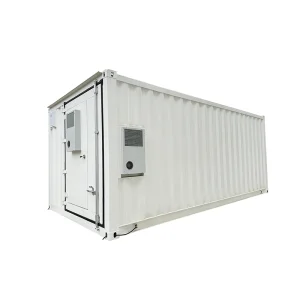
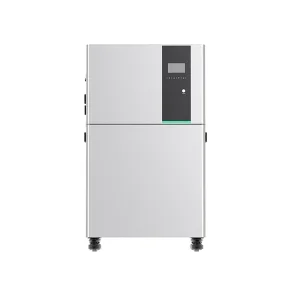
Turnkey containerized energy storage solutions designed for peak shaving, load shifting, emergency backup, and PV self-consumption. Modular 100kWh to 1MWh enclosures feature aerosol fire suppression, automated HVAC or liquid cooling, and grid-tied PCS (Power Conversion System) cabinets.
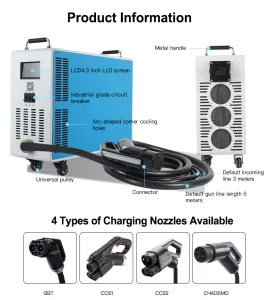
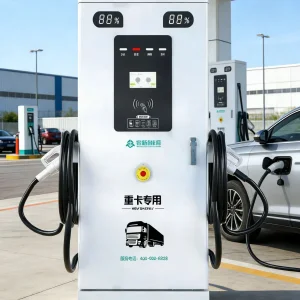
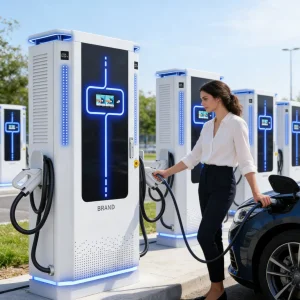
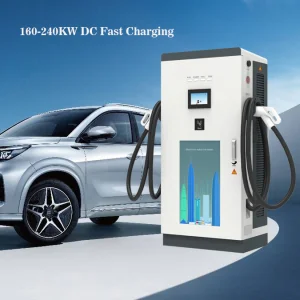
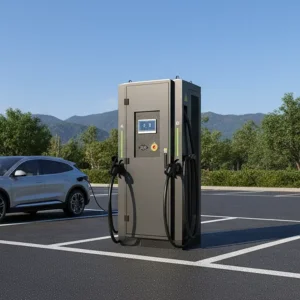
High-power DC charging stations ranging from 60kW to 240kW ultra-fast dual-port dispensers. Fully compliant with OCPP 2.0.1 and ISO 15118 protocols, supporting dynamic power allocation, plug-and-charge convenience, and Vehicle-to-Grid (V2G) bi-directional energy transfer.
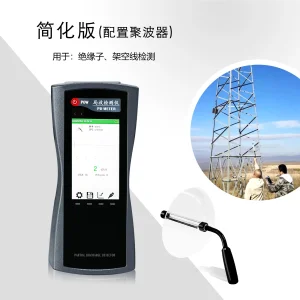
High-voltage battery setups and utility-scale transformer sub-stations require active insulation monitoring to prevent catastrophic arc flashes or unexpected electrical failures. Modern deployments incorporate handheld UHF/HFCT partial discharge detectors and automated sensor arrays to monitor switchgear, GIS, and high-voltage cable terminations in real time.
When procuring high-performance battery systems and EV charging equipment from China, international EPC contractors and enterprise buyers must follow a comprehensive qualification framework to guarantee compliance, safety, and long-term asset profitability.
Always verify that suppliers utilize brand-new, Grade-A prismatic LiFePO4 cells directly sourced from top cell manufacturers (such as CATL, EVE, BYD, or CALB). Insist on original factory barcode traceability reports detailing initial internal resistance (mΩ), cell capacity verification, and voltage matching data.
Ensure that complete battery cabinets and power conversion systems hold mandatory global certifications:
A rigorous quality control protocol requires multi-stage testing prior to shipment:
Expert insights into cell chemistry selection, total cost of ownership, installation, and custom OEM/ODM capabilities.
LiFePO4 provides superior thermal safety with a runaway temperature threshold above 270°C, compared to ~210°C for NMC. Furthermore, LFP delivers double to triple the cycle life (6,000 - 10,000 cycles), significantly lowering the Levelized Cost of Storage (LCOS) over a 10 to 15-year project lifecycle, despite having slightly lower volumetric density.
Leading factories provide end-to-end customization including custom sheet-metal enclosure IP-ratings (IP54/IP65), bespoke BMS firmware customization, localized CAN bus and Modbus communications protocols, private-label branding, customized cable harnesses, and tailored containerized BESS layouts (from 20ft to 40ft modular units).
OCPP 2.0.1 (Open Charge Point Protocol) enables advanced device management, automated firmware updates, enhanced security encryption, dynamic load management across multiple chargers, and seamless integration with payment gateways and Vehicle-to-Grid (V2G) smart grid communication frameworks.
Standard sample orders or modular residential systems typically ship within 7-14 days. Custom enterprise C&I BESS containerized projects or large-scale DC EV charger orders generally require 30-45 days for manufacturing, comprehensive Factory Acceptance Testing (FAT), and international packaging certification.
Top-tier manufacturers partner with regional distributor networks and provide remote IoT diagnostic telemetry. Standard warranties range from 5 to 10 years for battery systems. Replacement modules, spare parts, and remote engineer diagnostic assistance are dispatched immediately upon automated error telemetry validation.
Explore our extensive line of high-capacity DC fast chargers, grid-tied battery storage banks, and wall-mounted residential power walls.
 EnerNova Charger