EnerNova Charger
The Future of Off-Grid Battery Backup: Strategic Procurement for Global Markets
1. The Shift Toward Energy Independence: Global Industry Trends
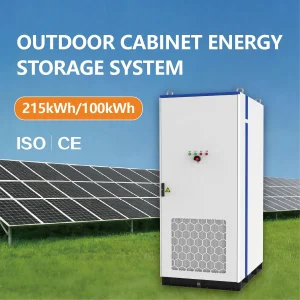
The global energy landscape is undergoing a paradigm shift. With the increasing volatility of power grids—driven by climate change, aging infrastructure, and the massive influx of EV charging demands—the Off-Grid Battery Backup System has evolved from a niche luxury to an industrial necessity. As organizations and homeowners seek autonomy, the demand for high-capacity, reliable LiFePO4 battery storage solutions has surged.
Current market data suggests that "Energy Resilience" is the primary driver for procurement. Businesses are no longer just looking for batteries; they are looking for Energy Management Systems (EMS) that integrate seamlessly with solar PV arrays, diesel generators, and grid inputs. The move toward modular, stackable, and scalable battery architectures is the defining trend of 2024-2025.
2. China Factory 4.0: Achieving Supply Chain Resilience
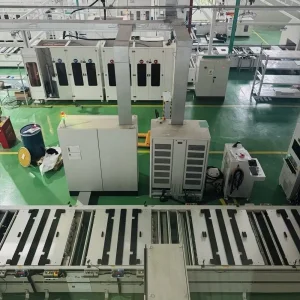
For global importers, sourcing from China has evolved beyond simple price competition. The "China Factory 4.0" initiative represents a leap in manufacturing maturity. By leveraging Industrial IoT (IIoT) and automated production lines, Chinese suppliers are now delivering products with unprecedented reliability.
Key advantages for international partners include:
- Digital Quality Twin: Every battery cell and pack undergoes digital tracing, ensuring life-cycle transparency.
- Automated Cell Grading: Precision sorting for internal resistance and capacity guarantees uniform battery performance in series/parallel configurations.
- Resilience to Lead Times: Vertically integrated supply chains ensure that critical components (BMS chips, busbars, enclosures) remain available despite global shortages.
3. Global Procurement Requirements: Beyond the Spec Sheet
When procurement officers analyze suppliers, they are moving away from surface-level specifications to Total Cost of Ownership (TCO) and Safety Certification. A robust battery supplier must now provide:
- Deep-Cycle Longevity: Guarantees on >6,000 cycles at 80% Depth of Discharge (DoD).
- Intelligent BMS: Cloud-connected Battery Management Systems that allow for remote diagnostics and firmware updates.
- Safety Standards: Compliance with IEC 62619, UL 1973, and CE certifications as a minimum barrier to entry.
4. Localized Application Scenarios
Industrial & Commercial
Factories are implementing Peak Shaving to reduce demand charges. By using off-grid battery systems, commercial entities can store energy during low-tariff hours and deploy it during peak operational hours, significantly reducing operational expenditure (OpEx).
Residential Off-Grid
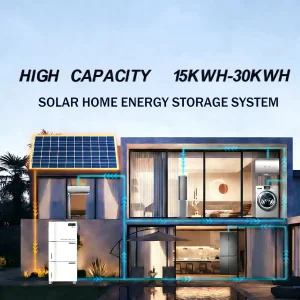
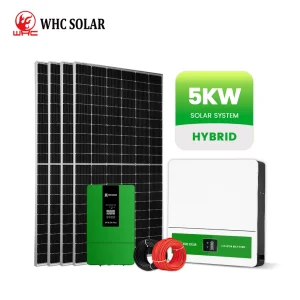
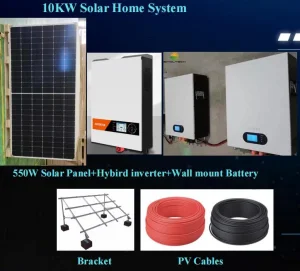
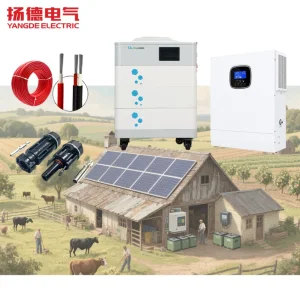
In regions with unreliable grids, Hybrid Inverter + Battery systems provide critical peace of mind. We are seeing a massive trend toward "Self-Consumption" models where the house operates entirely independently of the grid during daytime hours.
5. Frequently Asked Questions (FAQ)
What is the expected lifespan of your industrial off-grid batteries?
Our LiFePO4 systems are engineered for long-term usage, typically offering a lifespan of 10-15 years depending on environmental conditions and depth of discharge, supported by over 6,000 full-charge cycles.
How do you handle supply chain logistics for export?
We utilize standardized, ruggedized packaging compliant with UN38.3 lithium battery shipping regulations, ensuring safety and efficiency for sea and air freight globally.
Can your systems integrate with existing diesel generators?
Yes, our Hybrid Inverter systems support multi-source inputs, allowing for seamless integration with diesel generators to create a truly robust, non-stop power solution for remote areas.