Deploying robust hardware with intelligent optimization to minimize grid impact and maximize return on investment.
Hangzhou EnerNova Charger Co., Ltd. is a leading innovator in the field of electric vehicle charging and smart grid-integrated energy solutions. Specializing in both AC and DC EV charging technologies, the company provides a comprehensive range of products and services designed to meet the complex needs of residential, commercial, industrial, and utility-scale customers worldwide.
EnerNova’s portfolio includes high-performance home EV chargers, ultra-fast DC charging stations, intelligent charging power management systems, and advanced battery energy storage systems (BESS). By integrating cutting-edge power electronics hardware with proprietary smart EMS (Energy Management System) software, we ensure optimized charging efficiency, real-time monitoring, and reliable energy management for all modern power applications.
Committed to sustainability and the development of next-generation green transportation, Hangzhou EnerNova emphasizes seamless integration of renewable energy sources with its charging and storage systems. Our advanced solutions support vehicle-to-grid (V2G) applications, dynamic load balancing, and intelligent energy optimization, helping businesses reduce operational expenditures (OPEX) while actively enhancing grid stability.

With rigorous quality standards, continuous R&D investment, and a deeply customer-centric approach, Hangzhou EnerNova has established itself as a trusted partner in the EV charging and smart energy industry. The company's innovative technologies empower municipal infrastructure operators, industrial parks, and retail networks to adopt cleaner, smarter, and more efficient energy paths.
By leveraging advanced factory automation and a highly resilient global supply chain, we deliver smart grid technologies that withstand extreme environmental conditions, meet stringent regional regulatory requirements, and ensure long-term, fail-safe performance. Our collaborative engineering team works closely with global procurers to customize systems to local grid specifications, reducing deployment times and eliminating project overhead.
Modern power grids are undergoing an unprecedented shift from centralized generation to distributed, bi-directional power flows. Decentralized Energy Resources (DERs), such as solar photovoltaics (PV), wind turbines, and electric vehicles, require sophisticated coordination to prevent voltage fluctuations and grid congestion. As a primary exporter of Smart Grid Technology, we provide the foundational systems that bridge the gap between volatile renewable generation and stable grid demand.
Our integration framework relies heavily on Battery Energy Storage Systems (BESS) acting as virtual spinning reserves. When solar output peaks during midday, BESS units absorb excess energy, performing critical "peak-shaving" functions. During periods of peak demand, the stored electricity is discharged back into the system (load-shifting), reducing the grid's reliance on fossil-fuel "peaker" plants. This dynamic balancing is coordinated by our proprietary energy management software, which processes real-time grid signals to execute rapid, millisecond-level response protocols.
Harnessing electric vehicle fleets as mobile battery assets to inject power back into local distribution grids during periods of peak load.
Utilizing machine learning algorithms to predict demand peaks based on local weather, consumption history, and real-time market pricing.
Enabling industrial facilities to transition seamlessly to island mode during main grid failures, ensuring uninterrupted production lines.
The horizon of smart grid technology is defined by density, safety, and deep digitalization. As global exporters, we track and actively develop technologies within a structured multi-decade roadmap, focusing on three major transformation pillars: Advanced Battery Chemistries, Decentralized Edge Computing, and Solid-State Power Conversion Modules.
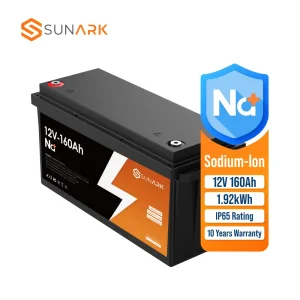
Our research and development pipeline is heavily optimized for the transition from standard Lithium Iron Phosphate (LiFePO4) systems to Sodium-Ion (Na-Ion) battery storage systems. Sodium-ion represents a paradigm shift for stationary grid storage, bypassing geopolitical raw material constraints and offering exceptional performance in low-temperature environments down to -30°C. Coupled with this chemistry transition is the implementation of solid-state electronics in our power converter systems (PCS), drastically reducing thermal footprints while achieving conversion efficiencies above 99%.
Looking further ahead, the integration of Artificial Intelligence at the Grid Edge will redefine distribution automation. Future edge nodes built into our commercial cabinets will act as autonomous trading hubs within regional peer-to-peer (P2P) energy marketplaces. These edge nodes will automatically negotiate power purchases and sales with neighboring facilities, maximizing local consumption of renewable power and alleviating congestion at the substation level without human intervention.
The challenges faced by national and municipal power systems vary widely by geography, requiring customized macro-level solutions rather than generic, off-the-shelf equipment. As a leading smart grid exporter, we have categorized our global interventions into three primary macro scenarios: Utility-Scale Integration, Industrial Energy Independence, and Mega EV Charging Hubs.
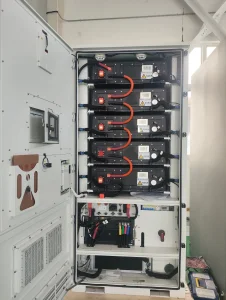
Massive solar and wind installations often suffer from curtailment when production exceeds grid transmission limits. Our high-voltage grid-tied containerized BESS solutions (up to 1MWh+ configurations) absorb this excess generation directly at the source. By providing ancillary services such as frequency response and voltage support, our systems stabilize utility lines and make clean energy a dispatchable asset.
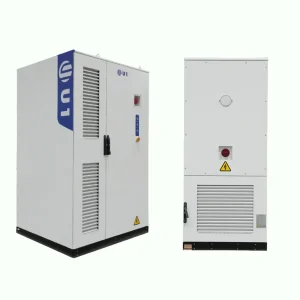
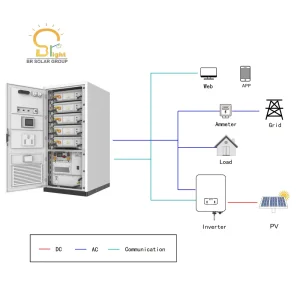
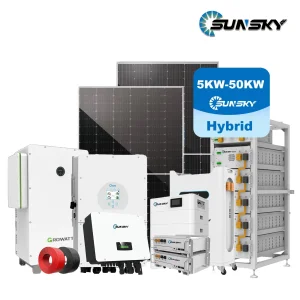
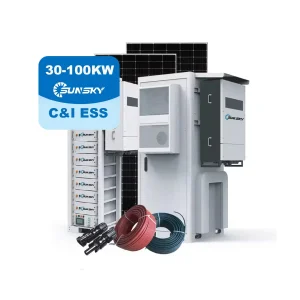
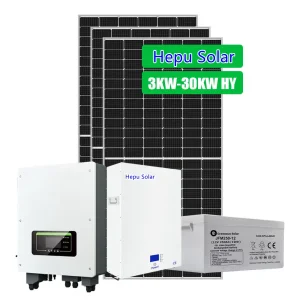
For manufacturing hubs operating in areas with high peak-tariff rates or unreliable utility supply, power interruptions translate to massive financial losses. We deploy customized hybrid energy solutions featuring 30kw-100kw inverters paired with rugged LiFePO4 chemistry. These units operate in harmony with rooftop solar, peak-shaving factory loads during peak rates and delivering instant backup power.
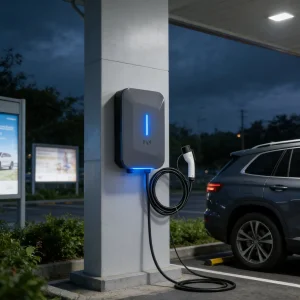
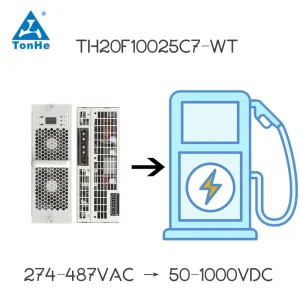
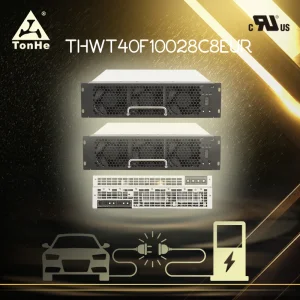
The deployment of public DC fast chargers (using high-efficiency 20kw/30kw modules) places immense stress on distribution networks. Our solution integrates charger banks with local energy storage buffers. When multiple vehicles initiate ultra-fast charging simultaneously, power is drawn from the local storage cabinet rather than overloading the local substation transformer, reducing peak-demand charges.
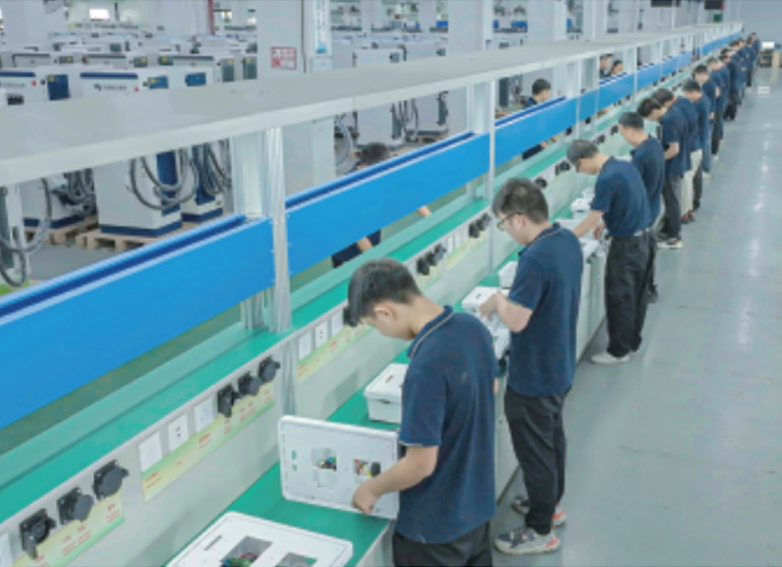
Our export strength is anchored in our advanced manufacturing ecosystem. Utilizing automated Industry 4.0 principles, our production facilities integrate smart assembly lines, high-precision robotic sorting, and AI-driven optical inspection systems. This level of automation guarantees that every cell, power module, and charger casing complies with strict dimensional and operational tolerance requirements.
Supply chain resilience is a critical factor for international procurement departments. By localizing our supply network within China's primary industrial zones, we secure direct, priority access to high-grade battery materials, silicon carbides, and magnetic components. This physical proximity shields our production pipelines from international supply chain bottlenecks, allowing us to maintain predictable manufacturing lead times and pass significant cost efficiencies directly to our international clients.
Furthermore, our manufacturing process undergoes strict environmental and quality audits. We track carbon footprints from raw material extraction to final packaging. Every BESS and EV charger undergoes 100% full-load burn-in testing, thermal cycling, and high-voltage insulation tests prior to dispatch, ensuring that our exported units operate flawlessly from day one.
Deploying smart grid components internationally requires navigating a complex web of regional grid codes, safety directives, and communication standards. We ensure all exported solutions meet the exact requirements of their target destination markets, allowing for seamless integration with local utility architectures.
Compliance is only the first step. To guarantee project success, we offer comprehensive post-sale support. This includes remote diagnostics, localized field engineering assistance during commissioning, and structured training programs for local technicians. Our engineering teams configure software components locally to align with regional dynamic tariff models and utility-specific demand-response protocols.
International purchasing managers evaluating smart grid exporters must look beyond initial capital expenditure (CAPEX) to thoroughly evaluate Total Cost of Ownership (TCO). A lower initial price point can quickly be offset by high maintenance costs, short battery lifecycle limits, or complex software integration issues.
Our technology design philosophy focuses on maximizing longevity and efficiency. By utilizing grade-A prismatic cells, implementing advanced liquid cooling in utility containers, and using high-efficiency power modules, we deliver solutions that sustain long operational periods. This directly translates to lower operational maintenance costs, minimal degradation curves, and a faster return on investment. Our open-architecture APIs also ensure that our hardware integrates smoothly with existing legacy SCADA systems, preventing costly software overhauls.
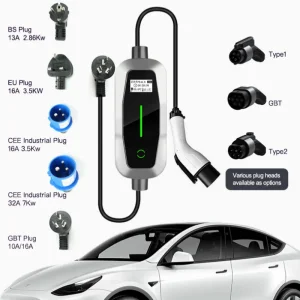
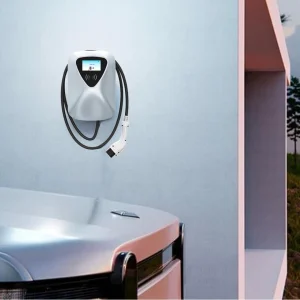
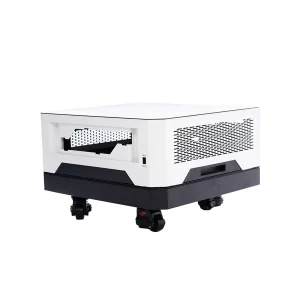
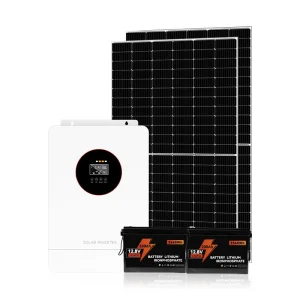
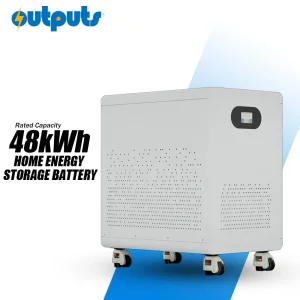
High-density energy modules, wallbox systems, and residential solar accessories engineered for reliable energy distribution.
Detailed technical answers to common integration, export, and compliance questions.
Sodium-Ion (Na-Ion) batteries offer several strategic advantages. Firstly, they bypass critical supply dependencies since sodium is abundant and highly cost-effective compared to lithium. Secondly, Na-Ion displays superior thermal stability and safety, lowering the risk of thermal runaway. Lastly, Na-Ion retains significant capacity under extreme cold climates (operational down to -30°C), making it ideal for northern utility applications, whereas LiFePO4 batteries require energy-intensive auxiliary heating in similar climates.
V2G allows electric vehicles connected to compatible AC/DC charging stations (supporting ISO 15118 protocol and OCPP 2.0.1) to serve as bi-directional grid assets. When grid demand surges, local network operators can draw small amounts of power from connected vehicle batteries to stabilize local load curves. This peak-shaving functionality offsets the need to activate secondary peaker generator plants and provides EV fleet owners with opportunities to monetize stored energy via dynamic tariff arbitrage.
Our exported products hold global certifications relevant to major power networks. These include CE marking for European markets, UL certifications for our fast charger power modules, and compliance with grid-interconnection standards such as IEEE 1547 (US) and EN 50549 (EU). Additionally, our EV charging stations conform strictly to OCPP 1.6J/2.0.1 protocols to ensure seamless communication with utility billing and network software platforms.
Our manufacturing centers employ advanced Industry 4.0 automation systems. Quality control is integrated into every stage of production, including automatic sorting of raw battery cells, precise thermal profiling, robotic assembly, and optical validation of printed circuit boards. Every battery storage system and EV charging cabinet undergoes full-load burn-in testing and comprehensive simulation tests prior to packaging, ensuring field reliability.
Yes. Our commercial and industrial systems, such as the 12kw Integrated Storage Cabinet and utility containers, are engineered with IP65-rated enclosures and intelligent climate controls. This configuration protects sensitive power electronics and energy cells from dust intrusion, driving rain, salt fog, and ambient temperatures ranging from -30°C to 55°C, ensuring consistent performance in harsh environments.
 EnerNova Charger