Explore our industrial-grade sustainable equipment portfolio, engineered for maximum energy efficiency, grid resiliency, and seamless interoperability across commercial EV fleets.
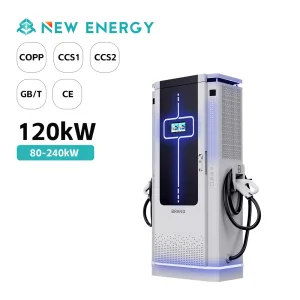
Hangzhou EnerNova Charger Co., Ltd. is a leading innovator in the field of electric vehicle charging and smart energy solutions. Specializing in both AC and DC EV charging technologies, the company provides a comprehensive range of products and services designed to meet the diverse needs of residential, commercial, and fleet customers globally.
EnerNova’s portfolio includes home EV chargers, fast DC charging stations, intelligent charging power management systems, and advanced energy storage solutions. By integrating cutting-edge hardware with smart cloud management software, the company ensures optimized charging efficiency, real-time monitoring, and reliable energy management for complex multi-megawatt applications.
Committed to global sustainability and the development of green transportation infrastructure, Hangzhou EnerNova emphasizes seamless integration of renewable energy sources with its charging and storage systems. Its solutions support vehicle-to-grid (V2G) applications, dynamic load balancing, and intelligent energy optimization, empowering enterprise customers to drastically reduce operational expenses while reinforcing local grid stability.
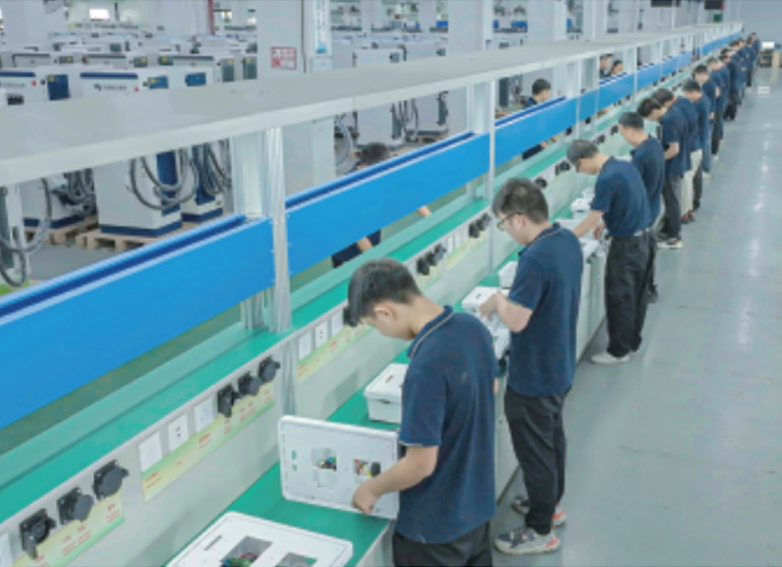
With rigorous international quality standards (ISO9001, ISO14001, ISO45001), continuous high-ratio R&D investment, and an end-to-end customer-centric engineering strategy, EnerNova has established itself as a trusted OEM/ODM partner in the EV charging and smart grid industry. The company's breakthrough technology suite paves the way for scalable, future-proof intelligent mobility solutions.

The global transportation sector accounts for approximately 24% of direct CO2 emissions from fuel combustion. As international climate mandates tighten under the Paris Agreement and Net-Zero 2050 targets, commercial enterprises and municipal transit authorities are executing an aggressive transition from internal combustion engine (ICE) fleets to electric platforms.
However, the rapid rollout of commercial electric vehicles creates unprecedented localized electrical load spikes. Charging a commercial fleet of 50 electric buses or heavy-duty freight trucks can demand grid capacities exceeding 5 MW to 10 MW in short operational windows. Without localized energy storage and intelligent distribution, traditional power grids face severe thermal overload, voltage instability, and catastrophic demand fee surcharges.
Utility interconnections often require multi-year lead times for substation upgrades. Modern sustainable transportation relies on battery energy storage systems (BESS) to act as dynamic power buffers, enabling megawatt-scale fast charging on constrained grid feeds.
Combining onsite solar photovoltaics, localized stationary energy storage, and ultra-fast DC chargers creates self-sustaining zero-emission microgrids. This lowers Levelized Cost of Energy (LCOE) while guaranteeing operational resilience during grid outages.
Transitioning from diesel to electric operational models reduces total cost of ownership (TCO) by up to 45% over a 7-year lifecycle, provided smart charging management algorithms are deployed to maximize off-peak energy tariff utilization.
China has established an unassailable global leadership position across the full sustainable transport technology stack—ranging from raw lithium refining and LFP (Lithium Iron Phosphate) cell chemistry to high-power liquid-cooled charging power modules and integrated microgrid management platforms.
Sourcing sustainable transportation solutions directly from top-tier Chinese manufacturers like Hangzhou EnerNova offers significant structural, technological, and economic advantages for international enterprise buyers:
| Evaluation Dimension | Western OEM Suppliers | Chinese Tier-1 Manufacturers (EnerNova) | Enterprise Strategic Value |
|---|---|---|---|
| Supply Chain Integration | Segmented tier suppliers; longer sub-component lead times. | Fully integrated localized clusters (Cells, Inverters, Modules, Cabinets). | 30-45% Reduction in overall capital procurement cost. |
| Manufacturing Lead Time | 16 to 26 weeks standard delivery. | 4 to 8 weeks scalable production cycles. | Rapid deployment for fast-track municipal projects. |
| Technology Iteration Speed | 18-24 month product development cycles. | 6-9 month continuous hardware & firmware upgrades. | Immediate adoption of state-of-the-art power density & efficiency gains. |
| Customization & OEM Flexibility | Strict standardized SKUs with high MOQ custom costs. | Deep OEM/ODM customization (Protocols, Branding, Voltage curves). | Tailored solutions engineered to regional grid standards. |
A truly sustainable mobility infrastructure requires a holistic system-level approach. Fragmented hardware deployments lead to communication silos, inefficiency, and grid degradation. Our integrated architectural matrix guarantees end-to-end efficiency across power generation, storage retention, and EV delivery.
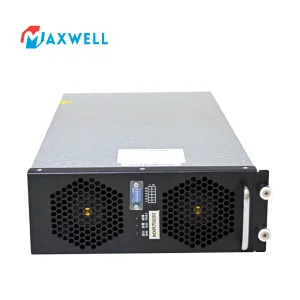
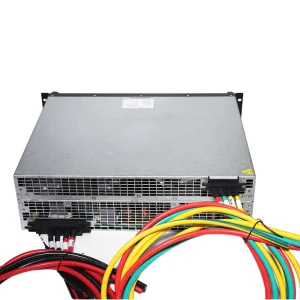
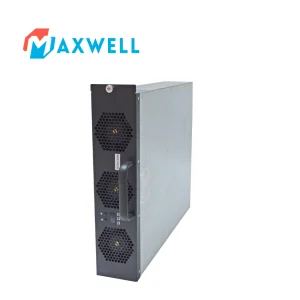
At the heart of modern DC fast charging terminals are high-frequency resonant power modules (such as our 20kW/50kW matrix units). Utilizing SiC (Silicon Carbide) MOSFET switches, these units achieve >96.5% efficiency across broad output voltage windows (200V DC to 1000V DC), satisfying both low-voltage legacy EVs and 800V high-voltage commercial truck architectures.
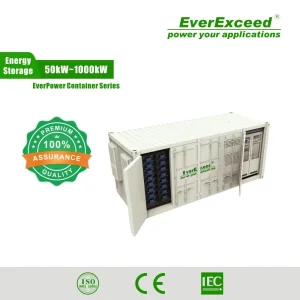
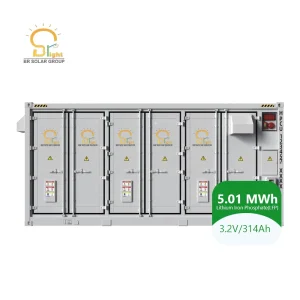
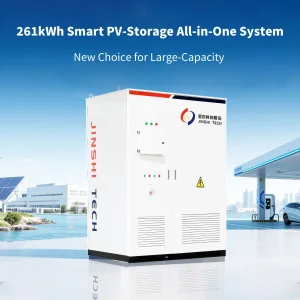
Scaling from 100kWh to multi-megawatt-hour outdoor battery enclosures, our utility-grade lithium iron phosphate (LiFePO4) storage systems feature liquid cooling thermal management, HVAC ambient regulation, active cell balancing, and aerosol fire suppression systems for maximum safety and 6,000+ cycle operational lifespans.
Complete software interoperability guarantees seamless integration with global CPO (Charging Point Operator) platforms, billing gateways, fleet scheduling software, and automated dynamic load balancing algorithms that adjust power delivery based on real-time grid constraints.
Sustainable transportation solutions cannot adopt a one-size-fits-all methodology. Hangzhou EnerNova engineers specialized configurations customized to distinct operational environment requirements:
Heavy-duty high-power DC stations (240kW to 480kW) equipped with automated pantograph or dual-connector charging mechanisms. Designed for overnight mass-fleet rapid replenishment within restricted site footprints.
Integrated container BESS coupled with ultra-fast charging hubs. Allows long-haul electric delivery trucks to charge during 30-minute mandatory driver break intervals without overloading local sub-distribution transformers.
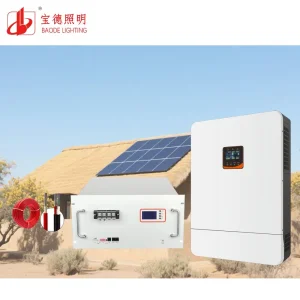
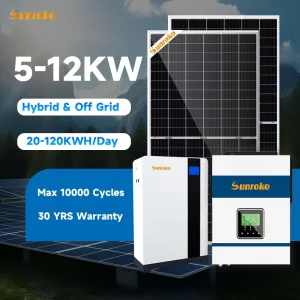
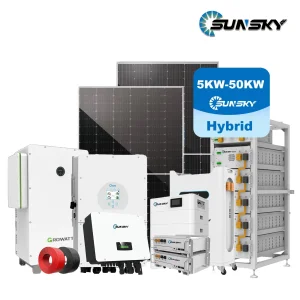
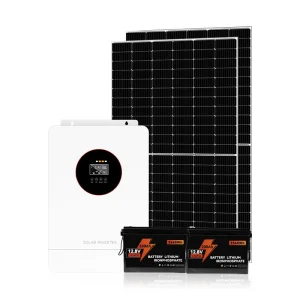
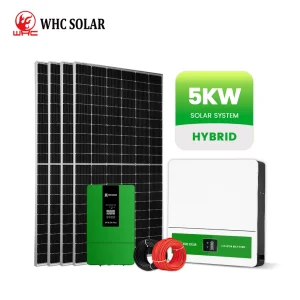
Hybrid solar PV system integrated with off-grid battery backup setups (5kW to 100kW+). Delivers zero-emission power independence for remote industrial extraction sites, eco-resorts, and island transportation networks.
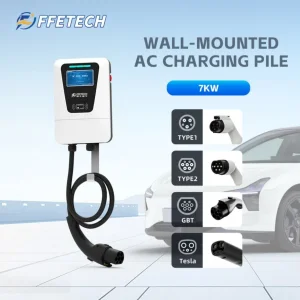
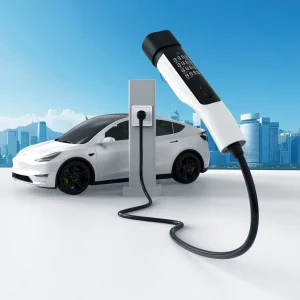
Smart AC chargers (7kW to 22kW) featuring RFID access control, dynamic power sharing, and seamless user billing apps, optimized for long-dwell employee and retail parking environments.
To maintain competitive enterprise dominance over a 10-to-15 year equipment lifecycle, procurement directors must align hardware acquisitions with impending technological shifts:
As class-8 commercial trucks transition to zero emissions, charging standards are progressing beyond CCS Combo to MCS, supporting currents up to 3,000A and power levels up to 3.75 MW. Systems are being built with liquid-cooled cable technology ready for MCS retrofits.
EV fleets are morphing from static power consumers into dynamic distributed energy resources (DERs). Dual-direction AC/DC conversion allows fleet operators to feed stored vehicle battery power back to the grid during peak pricing hours, creating new operational revenue streams.
Machine learning algorithms analyze real-time module temperatures, isolation resistance trends, and localized weather forecasts to optimize battery charging curves, prevent unplanned hardware downtime, and extend battery health by up to 25%.
Navigating global sustainable transportation procurement requires stringent cross-border regulatory compliance, quality validation, and supply chain verification. Prior to finalizing procurement contracts, global enterprise buyers must evaluate suppliers based on the following criteria:
Ensure equipment carries mandatory regional certifications including CE (EN 61851-1, EN 61851-23), UL standards, IEC 62196 compliance, and RoHS/REACH environmental safety declarations.
Evaluate beyond initial CAPEX. Assess standby energy power consumption, operational efficiency ratings at partial loads (20%-100%), modular MTBF (Mean Time Between Failures), and localized spare part availability.
Ensure charging hardware complies with ISO 15118 (Plug & Charge) digital certificate security, TLS 1.3 encrypted cloud communications, and robust firmware update protection against cyber vulnerabilities.
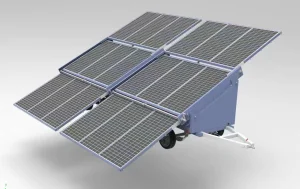
Select from our heavy-duty commercial storage containers, modular DC power units, and portable EV charging configurations.
 EnerNova Charger