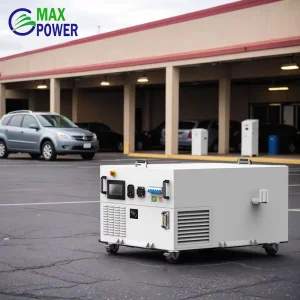
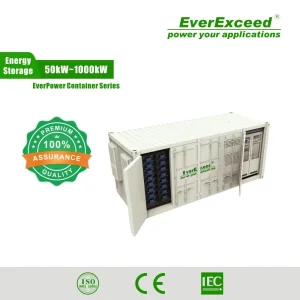
Engineered to deliver exceptional bidirectional efficiency, grid protection, and dynamic power flow for commercial, industrial, and residential applications.
Hangzhou EnerNova Charger Co., Ltd. is a leading innovator in the field of electric vehicle charging and smart energy solutions. Specializing in both AC and DC EV charging technologies, the company provides a comprehensive range of products and services designed to meet the diverse needs of residential, commercial, and fleet customers.
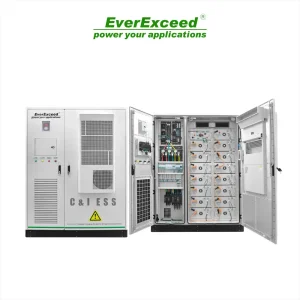
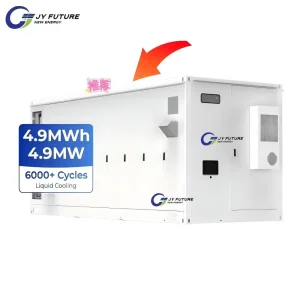
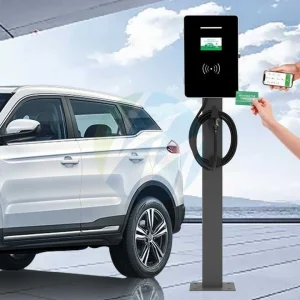
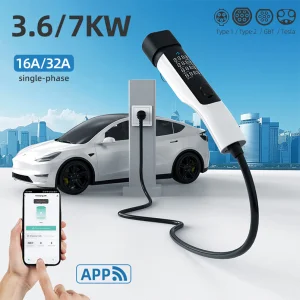
EnerNova’s portfolio includes home EV chargers, fast DC charging stations, intelligent charging power management systems, and advanced energy storage solutions. By integrating cutting-edge hardware with smart software, the company ensures optimized charging efficiency, real-time monitoring, and reliable energy management for all applications.
Committed to sustainability and the development of green transportation, Hangzhou EnerNova emphasizes seamless integration of renewable energy sources with its charging and storage systems. Its solutions support vehicle-to-grid (V2G) applications, load balancing, and intelligent energy optimization, helping customers reduce operational costs while enhancing grid stability.
With rigorous quality standards, continuous R&D investment, and a customer-centric approach, EnerNova has established itself as a trusted partner in the EV and smart energy industry. The company’s innovative technologies empower users to adopt cleaner, smarter, and more efficient energy solutions, paving the way for the future of intelligent mobility.


The transformation of global electricity infrastructure is accelerating, driven by the dual goals of decarbonization and system resilience. At the intersection of clean transportation and decentralized grid infrastructure lies Vehicle-to-Grid (V2G) technology, a process that converts electric vehicles (EVs) from simple energy consumers into distributed energy storage systems (DESS). As factories, commercial centers, and utilities prepare for massive electrification, V2G offers a viable path to relieve grid congestion, stabilize frequency, and leverage peak shaving.
On a macro-industrial scale, Europe and North America are pioneering regulatory frameworks to ease V2G adoption. In the European Union, initiatives under the Alternative Fuels Infrastructure Regulation (AFIR) mandate bidirectional capability for new chargers. In North America, FERC Order 2222 allows aggregated distributed energy resources (DERs)—including fleets of bidirectional EVs—to participate directly in regional wholesale power markets. This shifts the perception of EVs from a grid liability to a flexible resource that can offset volatile energy pricing and demand spikes.
The success of commercial V2G hinges on standardized, secure, and highly efficient energy conversion interfaces. High-efficiency bidirectional DC/DC modules and high-power grid-tied systems require seamless communication protocols. The industry has converged around standardizing ISO 15118-20 (Road Vehicles - Vehicle to Grid Communication Interface), which defines the framework for secure, automated bidirectional power flow. This protocol supports dynamic tariff sharing, state-of-charge tracking, and real-time active/reactive power coordination.
From a hardware perspective, transitioning from Silicon (Si) to wide-bandgap semiconductors, particularly Silicon Carbide (SiC), has unlocked new levels of efficiency. High-frequency bidirectional conversion modules operate at lower thermal loads with smaller footprints. This reduction in size allows manufacturers to build lightweight, high-capacity systems capable of executing rapid cycles of charge and discharge without degrading the battery lifespan.
Tracking the integration of intelligent EV components and advanced software architectures to enable next-generation utility systems.
Unidirectional smart charging dominates the market. Chargers dynamically adjust output to prevent transformer overload during peak hours, optimizing cost based on time-of-use tariffs.
Vehicle-to-Home (V2H) and Vehicle-to-Building (V2B) solutions enter mainstream markets. Standardized bidirectional wallboxes and AC/DC chargers allow home and commercial sites to operate in island mode during blackouts, reducing demand fees.
Widespread cloud integration of Virtual Power Plants (VPPs). Distributed fleets of EVs are aggregated using secure API protocols, bidding directly into ancillary service markets to support grid frequency and voltage stability.
AI-driven edge computing allows bidirectional charging nodes to autonomously sense localized grid conditions and adjust power factors instantly, making the transportation system a self-healing grid extension.
Engineered for high reliability, long cycle life, and dynamic interoperability across utility sectors.
Reduce electricity bills by discharging EV batteries during peak-pricing windows and charging during off-peak hours.
Advanced over-voltage/under-voltage protection mechanisms safeguard local electrical infrastructure from damage.
Full compliance with industry standards ensures seamless connectivity with modern electric passenger vehicles and fleets.
Deploying V2G across municipal, industrial, and residential environments to build cleaner, decentralized energy networks.
1. Commercial & Industrial Microgrids
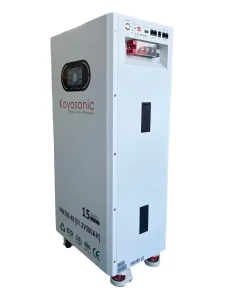
For industrial parks and factories running high-energy production lines, integration with commercial-scale energy storage systems is critical. Combining stationary battery energy storage systems (BESS) of 100kWh to 500kWh with vehicle fleets allows operators to smooth out demand curves. When high-power industrial equipment cycles on, bidirectional EV chargers feed energy back to the plant, avoiding expensive demand charges and grid penalties.
2. Smart Fleet Depots (Logistics & Transit)
Logistics hubs utilizing electric delivery vans represent some of the most stable candidates for V2G. Fleet vehicles typically follow predictable routes and schedules, meaning depot managers know exactly when vehicles will be parked and connected. By aggregating these fleet batteries, logistics depots can sell capacity back to utilities, generating recurring revenue that offsets the fleet's total cost of ownership (TCO).
3. Residential Solar Integration (V2H)
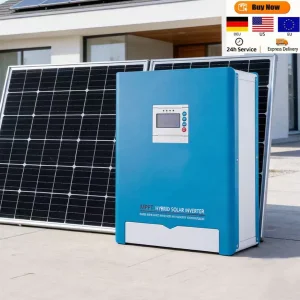
For residential properties, home energy systems operate in tandem with smart wall-mounted chargers. Homeowners with rooftop solar can store excess production during the afternoon directly in their EV's battery. During the evening, the system reverses the power flow to run home appliances, minimizing reliance on fossil-fuel grid imports and shielding households from peak residential utility tariffs.
Detailed technical answers for utility companies, fleet operators, and industrial system integrators.
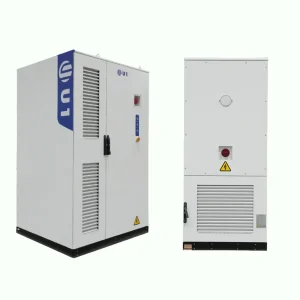
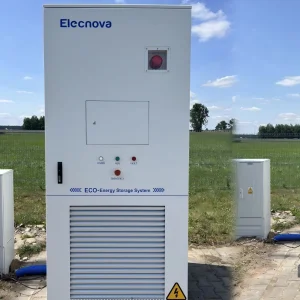
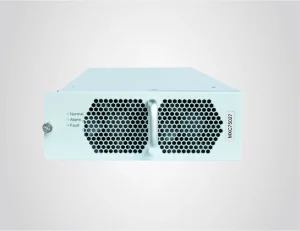
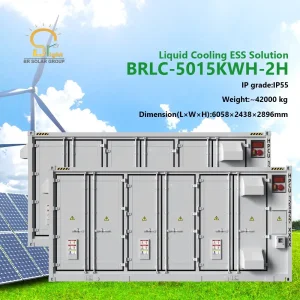
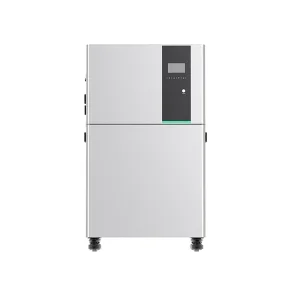
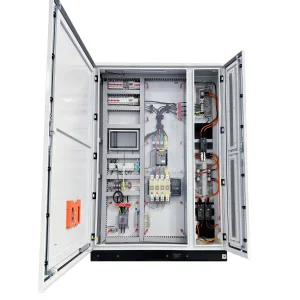
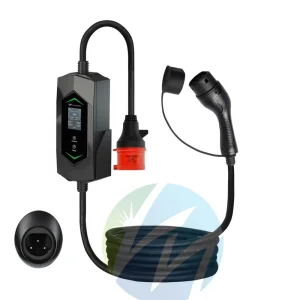
Complete product range for smart grid access, portable commercial chargers, and high-voltage container storage configurations.
 EnerNova Charger