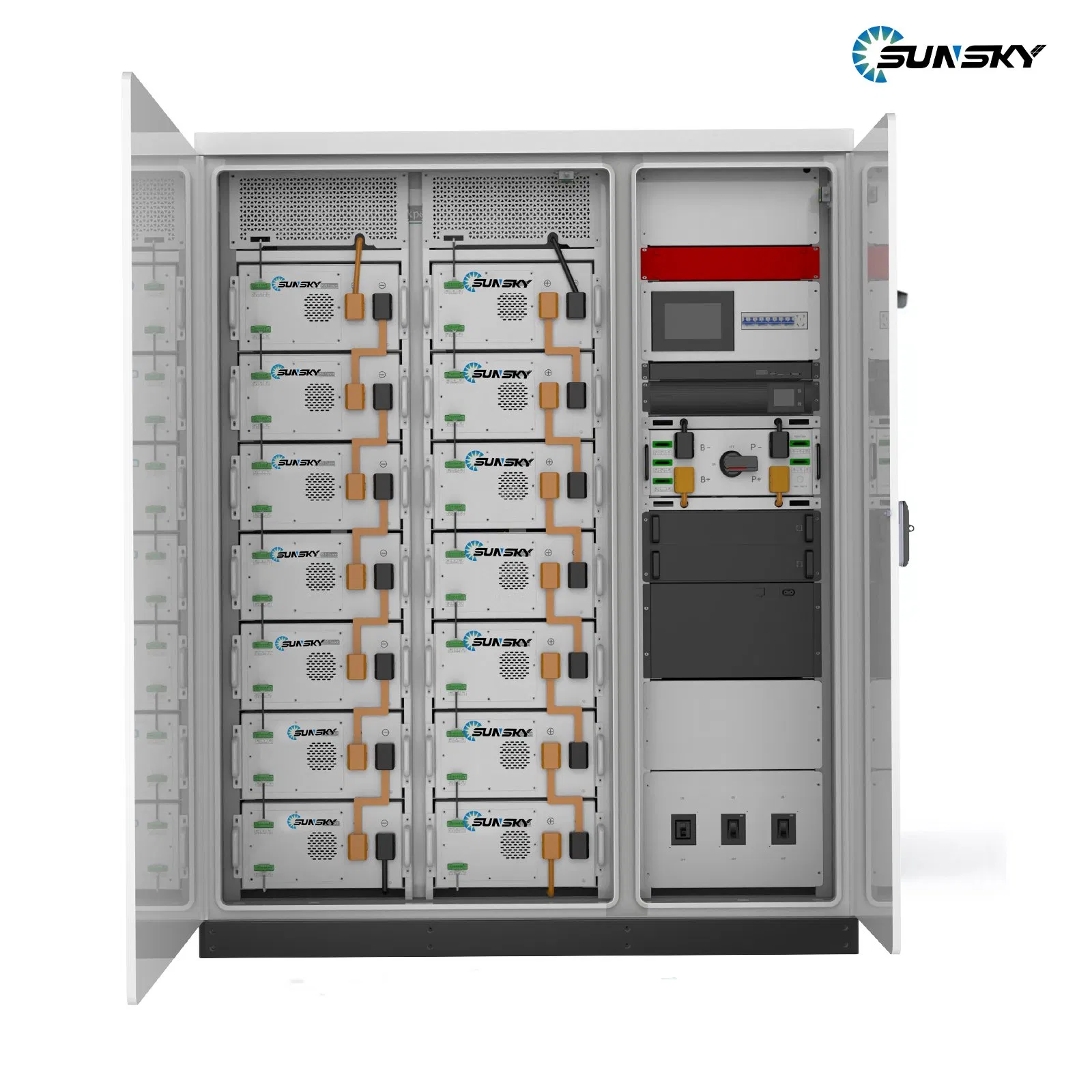
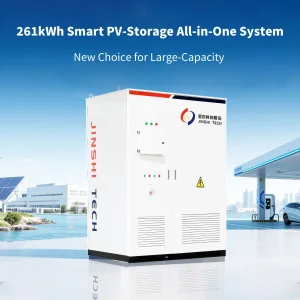
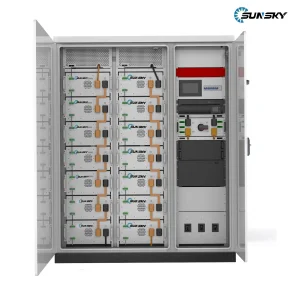
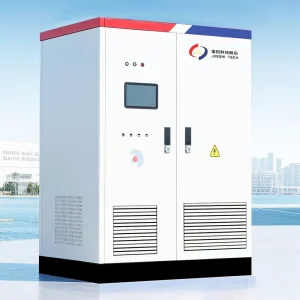
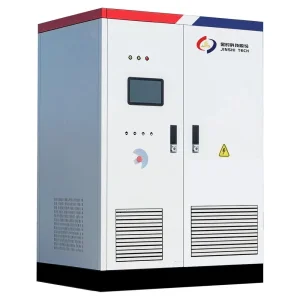
All in One 100kVA Complete Solar Power Set Systems 100kw 200kw Liquid Cooling Lithium Battery 261kwh Integrated Outdoor Cabinet Bess C&I Energy Storage System

Still deciding? Get samples of $ !
Order Sample

Product Description

📋 Basic Information
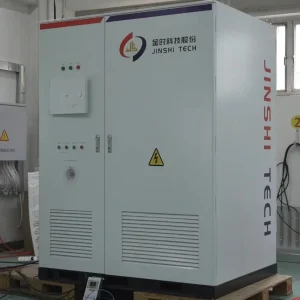
Model SUN200KW3-ESS Energy Capacity 200kwh 400kwh 600kwh Lithium Battery
Power Configuration 50kw 100kw 150kw 200kw 300kw 500kw Cycle Life 8000 Times and up Lithium Battery
Cooling Method Full Liquid Cooling (Temperature Difference ≤3℃) Product Name Energy Storage System
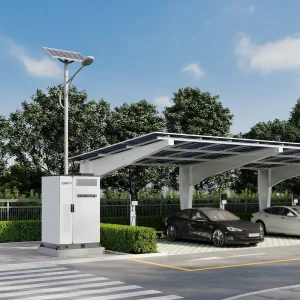
Mounting Metal Rooftop,/Tile Rooftop/ Ground/Carport Support UPS/Black Start/Dg
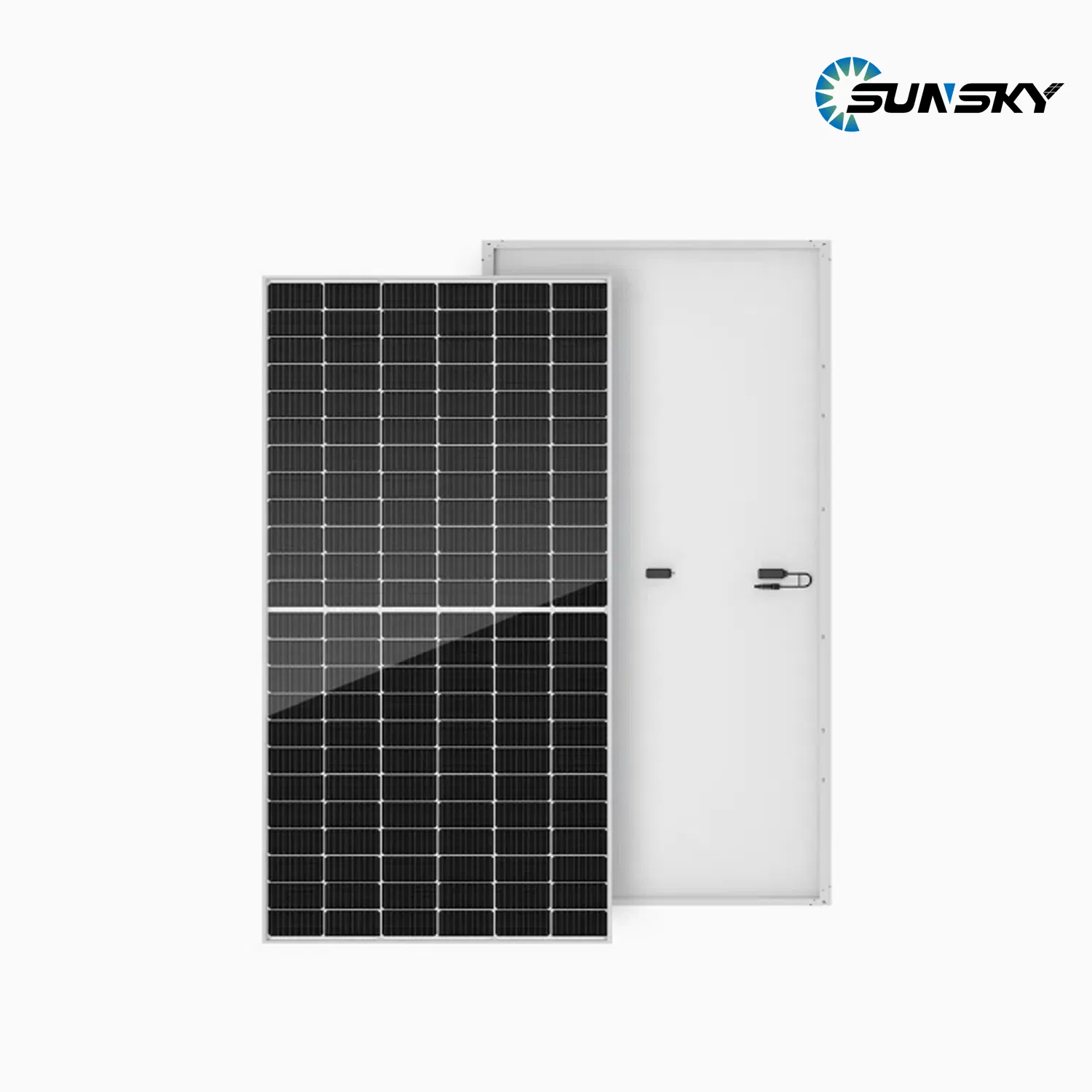
Output Voltage 380V/400/415VAC 50Hz 3phase Solar Panel Type Topcon N Type Solar Panel
System Life Span 30 Years Online Monitoring WiFi/LAN/GPRS
🌟 Recommended Solutions
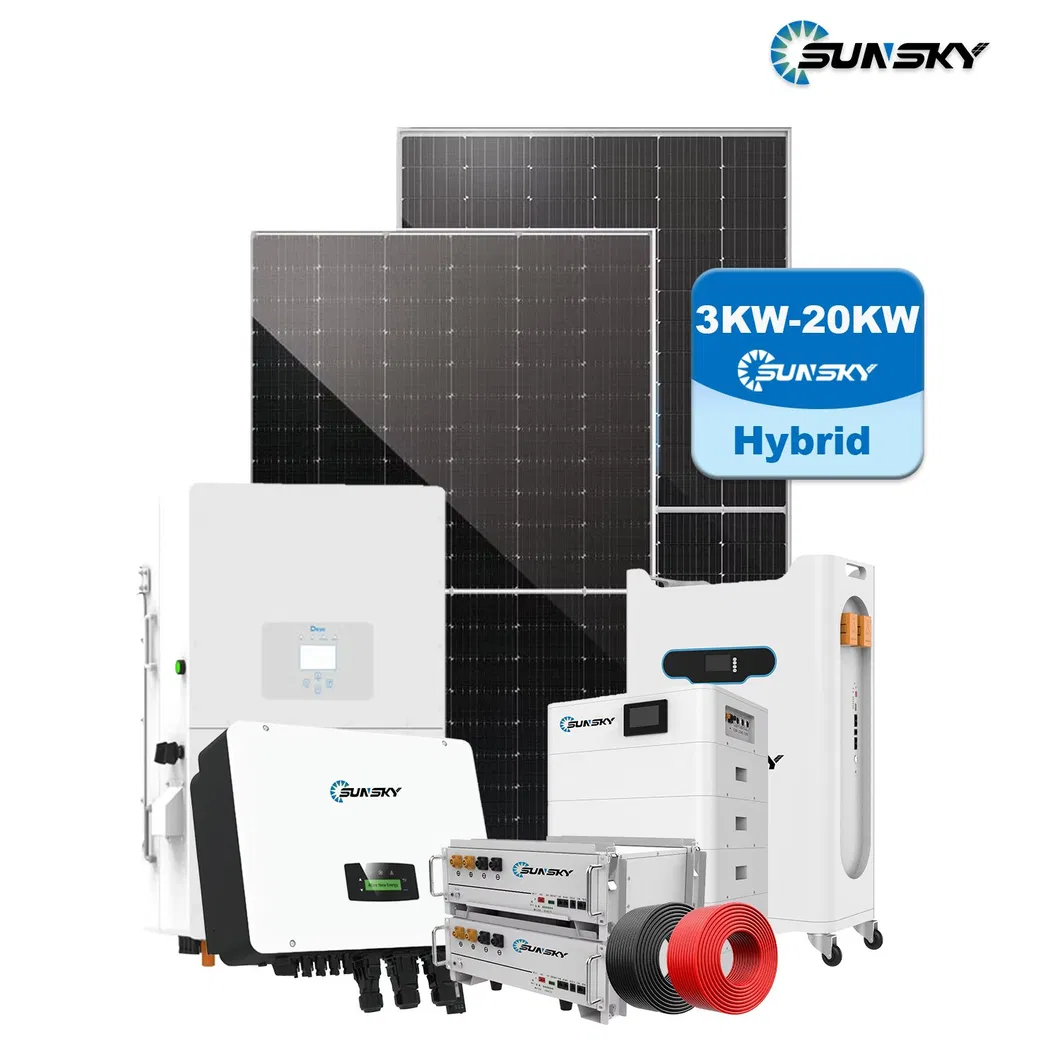
Solar Power System
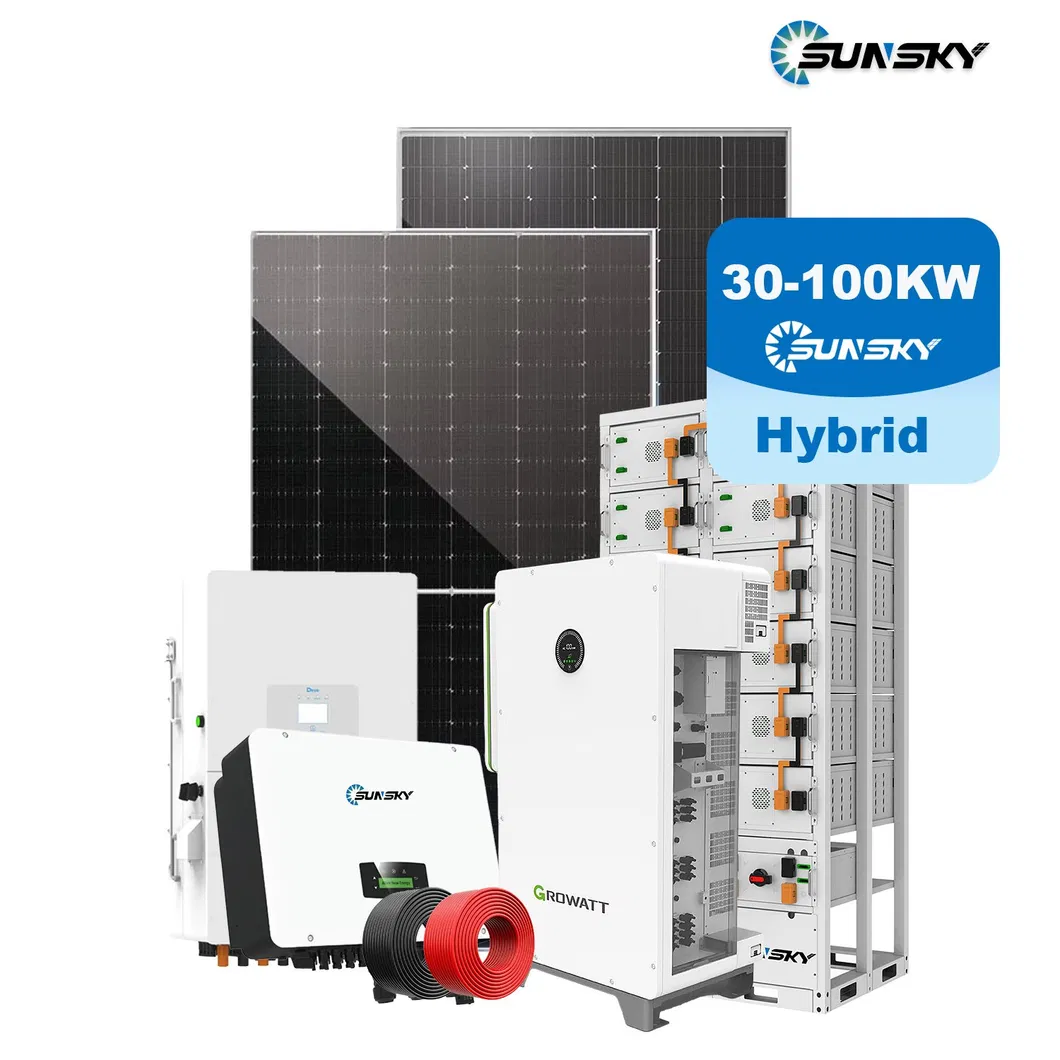
Hybrid Solar System
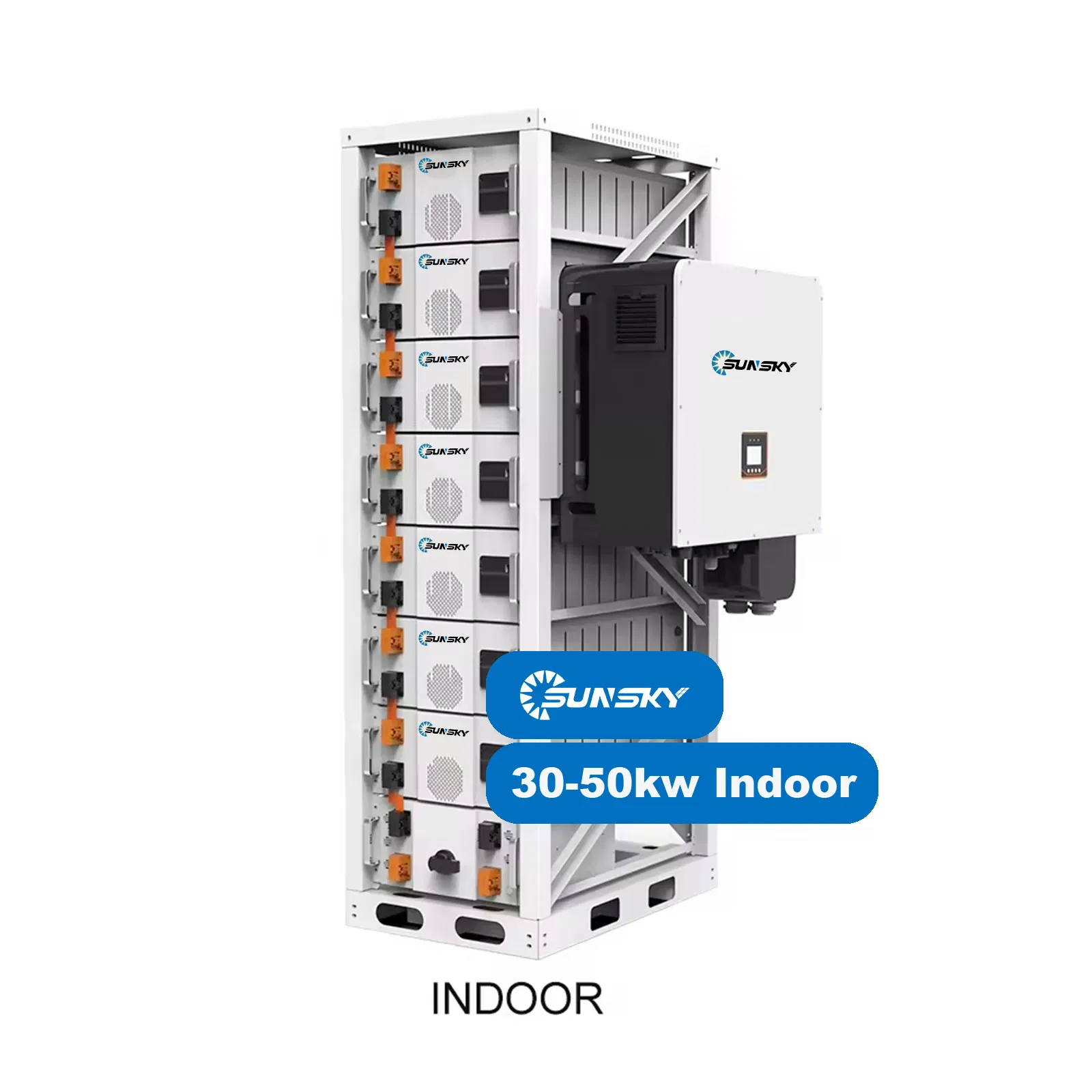
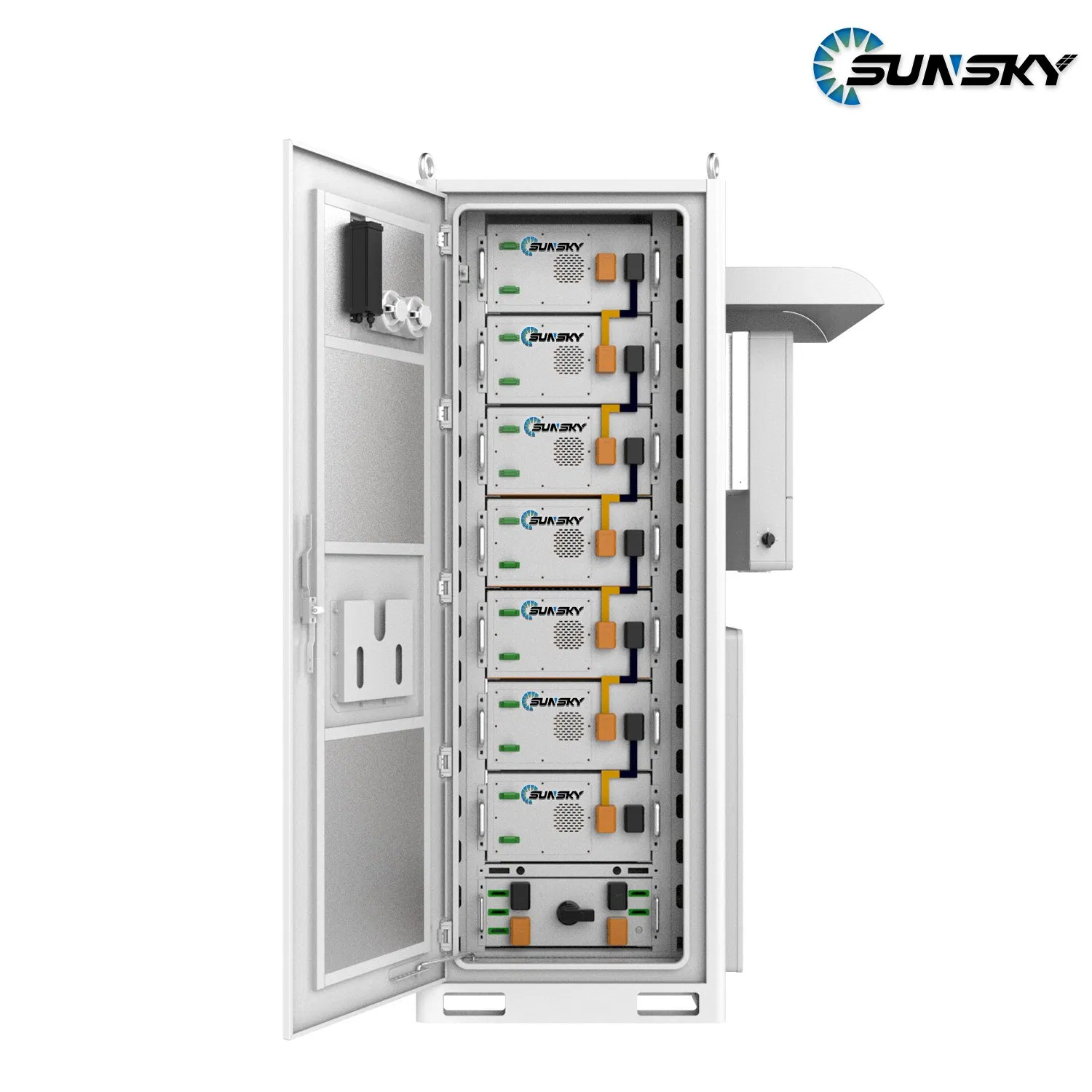
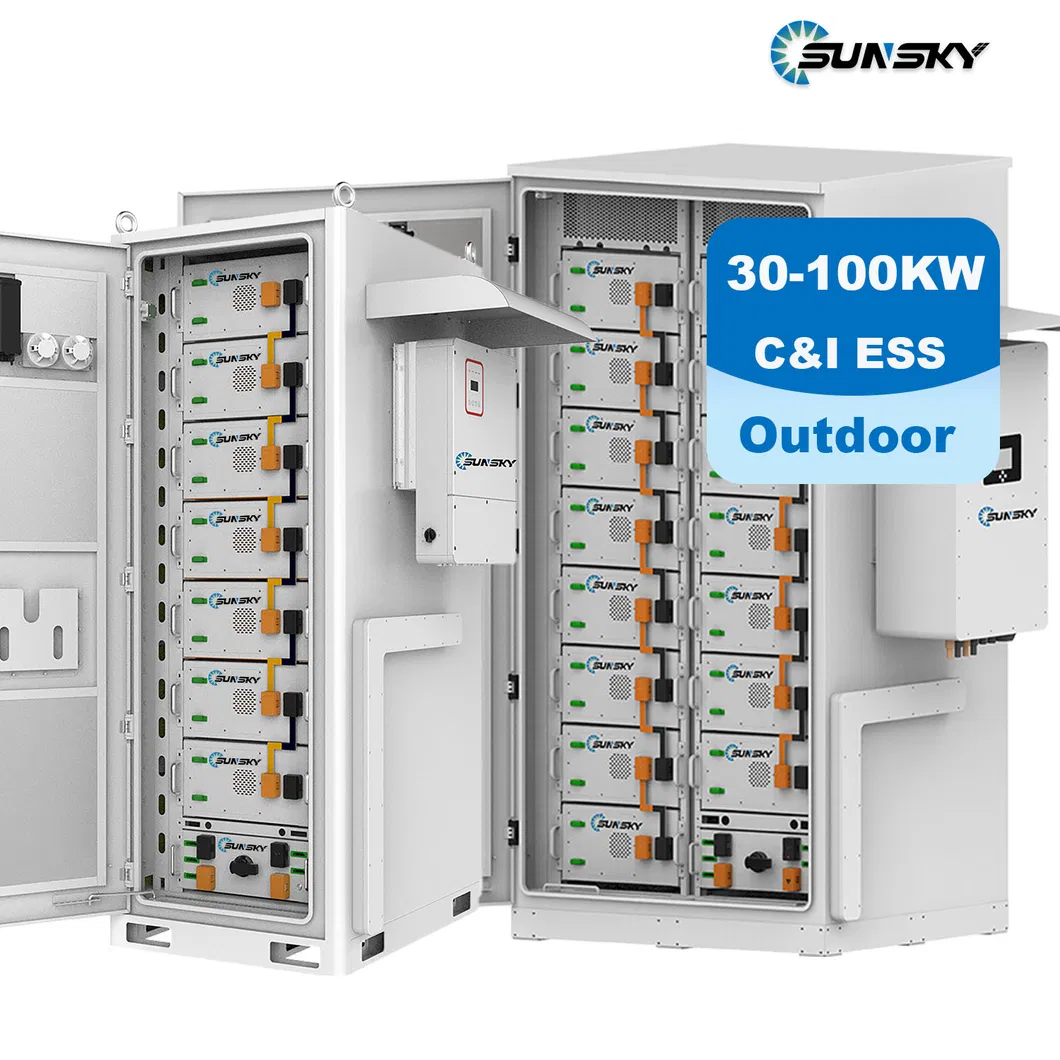
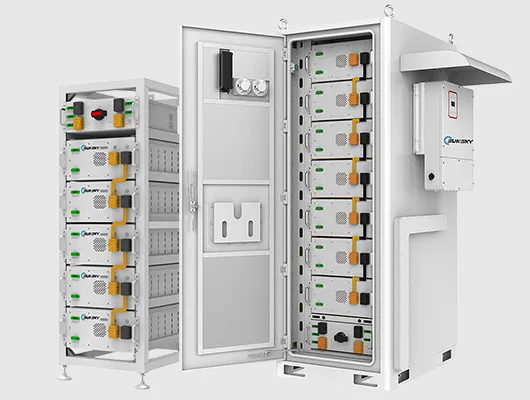
Energy Storage System
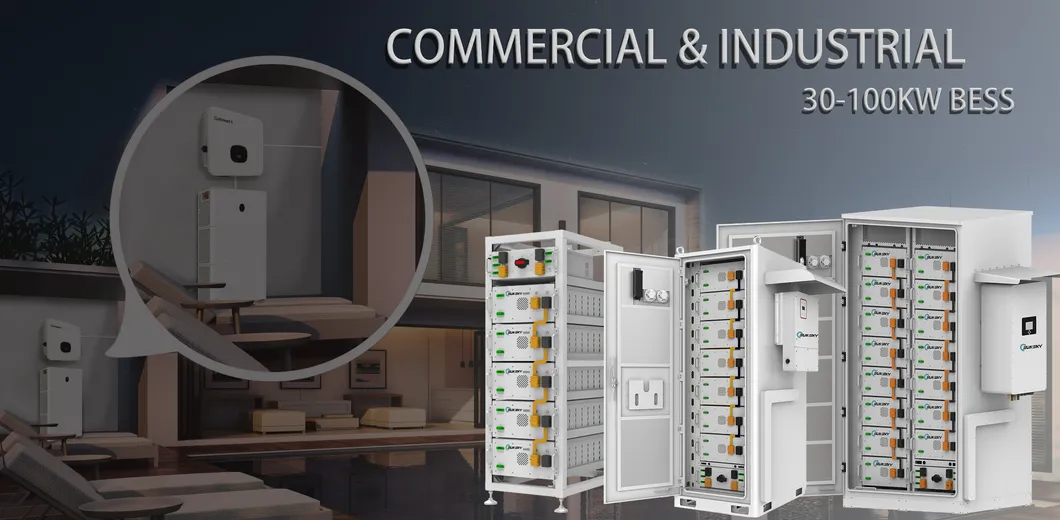
💡 Energy Storage System Highlights
Energy Storage Overview
High Power Output
Optimized for off-grid models and heavy industrial use.
🔧
Pre-Wired Design
Easy installation and debugging for rapid deployment.
🔋
Liquid Cooling
Maintains temperature difference ≤3℃ for longevity.
🛡️
Multi-Condition Tested
Reliable performance under various harsh operating environments.
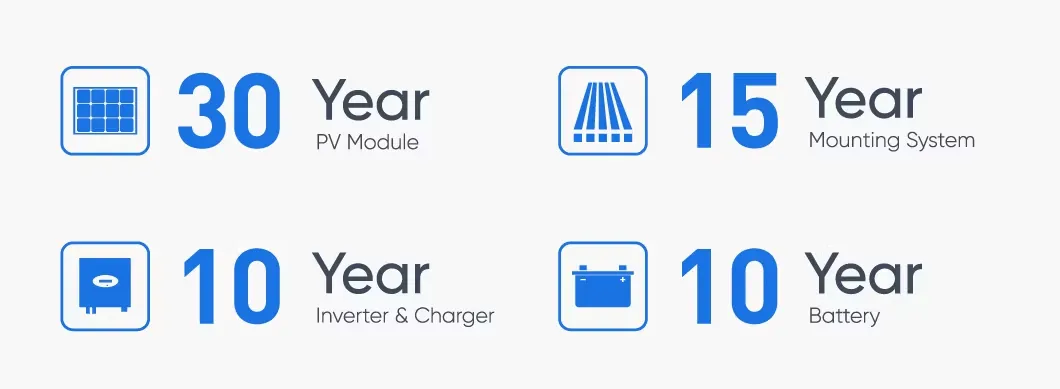
Warranty Assurance
📊 Technical Parameters
Model Parameter SUN30KW3ESS SUN100KW3ESS SUN300KW3ESS
Rated Output Power 30KW 100KW 300KW
System Capacity 54.2KWH 200.6KWH 626.99KWH
Battery Type LiFePO4 (LFP)
Max. PV Input Power 45KW 125KW 325KW
MPPT Voltage 250-850VDC
Cycle Number >6000 - 8000 Cycles
🔍 Detailed Components

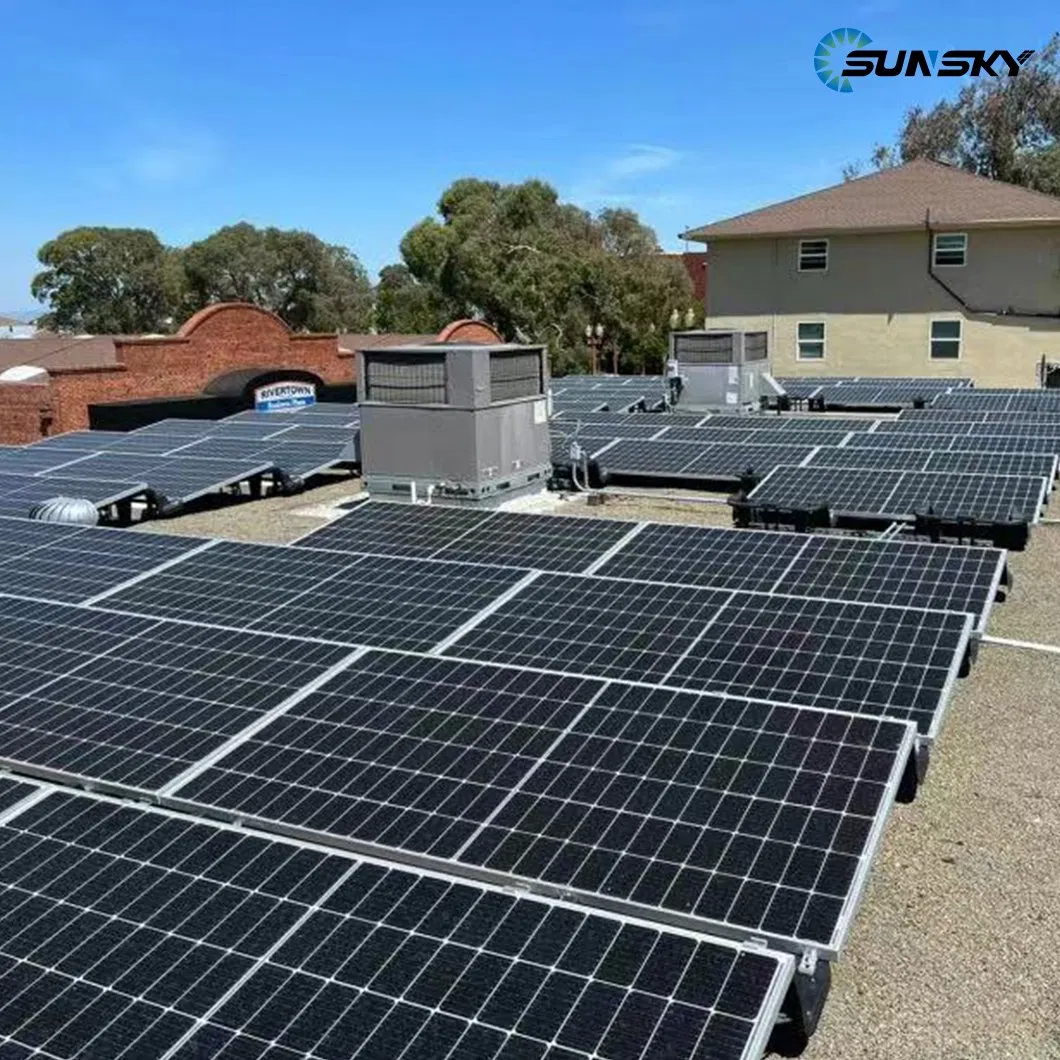
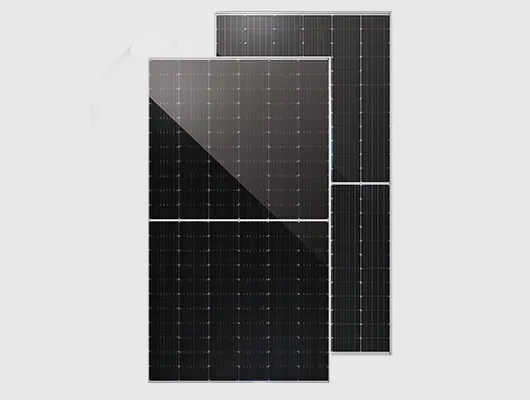
TOPCon Solar Panels

  • High efficiency up to 22.84%
  • SMBB + Half-cell tech reduces current loss
  • Lower temperature coefficient (-0.29%/ºC)
  • Bifaciality rate up to 80-85%
  • Complies with IEC61215 and IEC61730
Solar Panel Details

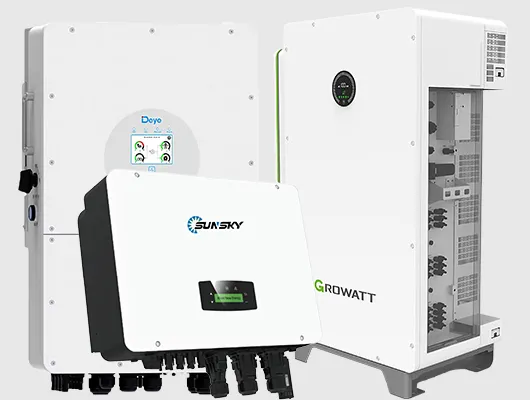
All-In-One Hybrid Inverter

  • Intelligent IC control with pure sine wave
  • Multiple protection functions & buzzer alarm
  • Aluminum alloy shell for superior cooling
  • Double Sided PCB / Import zero device
Hybrid Inverter

Industrial Battery Rack

  • Self-designed BMS for safety
  • High power density LFP battery (≥160Wh/kg)
  • Standard module design for front maintenance
  • Flexible customization for diverse applications
Battery Rack

Mounting & Connectivity

PV Mounting: Al6005 & SUS304 Bolt, Mid/End Clamps (35-50mm), L Foot Asphalt options.

DC Cable: 4mm2 / 6mm2 / 10mm2 TUV certified, Rated 600V/1000VDC.
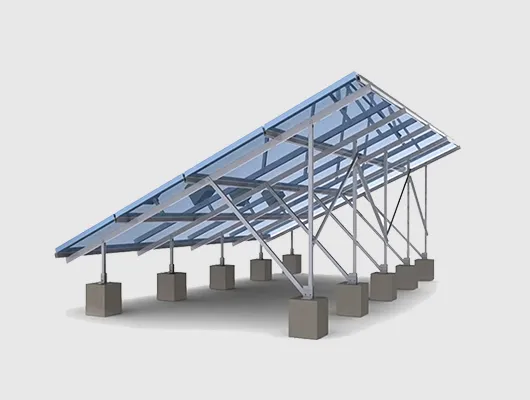
Mounting System
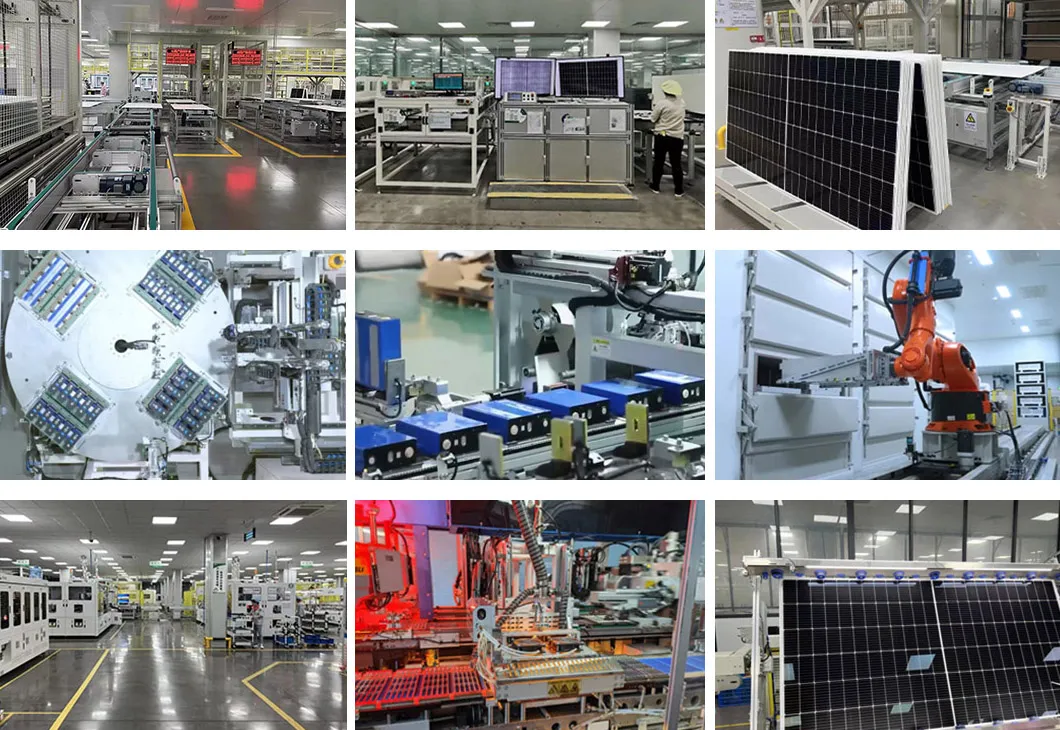
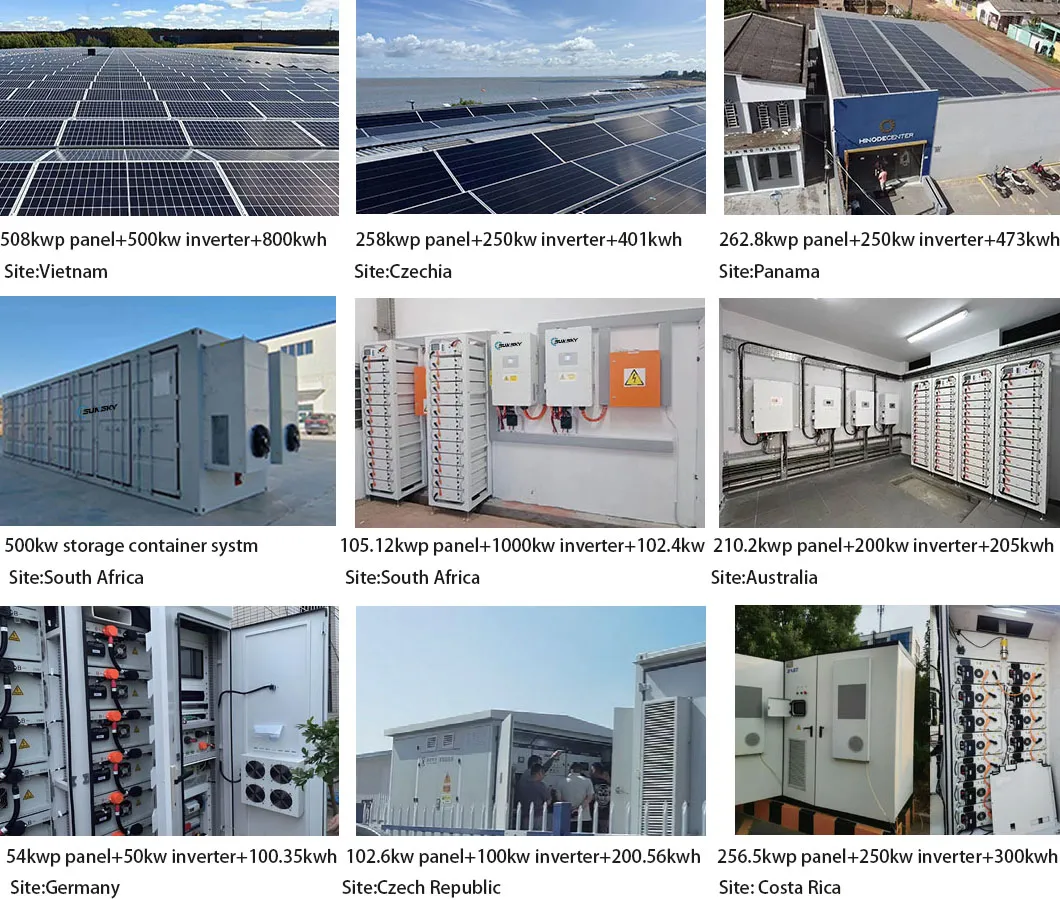
🏭 Production & Projects
Production Factory Solar Projects
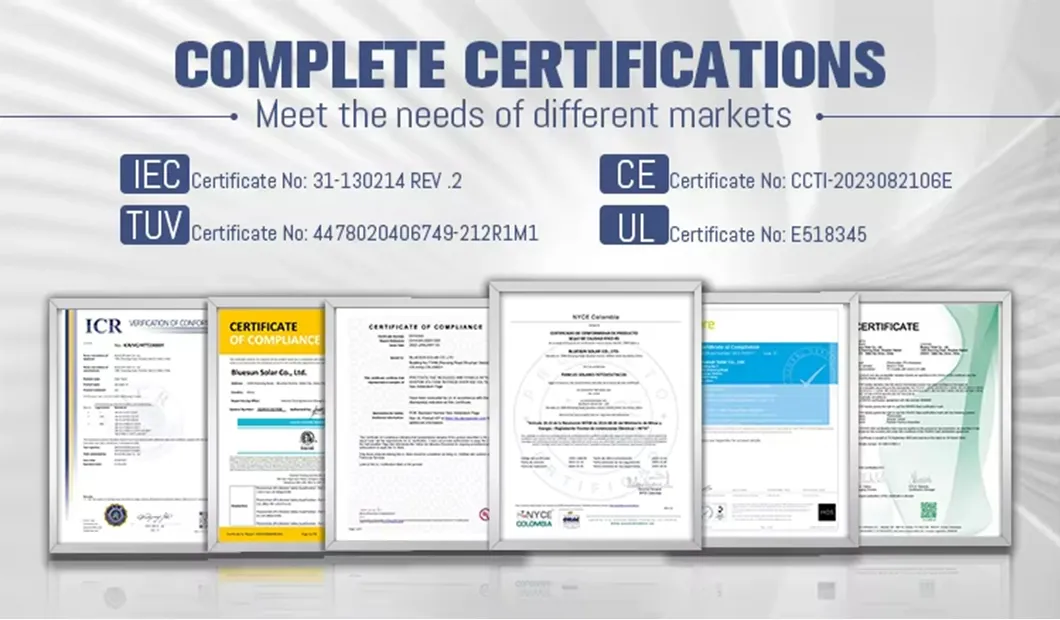
Certification
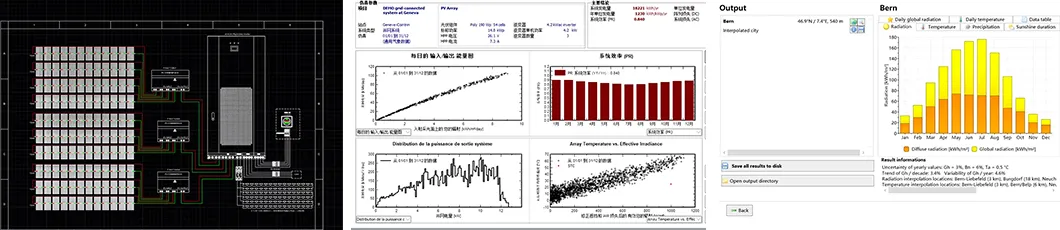
Software Design
🚢 Packaging & Shipping
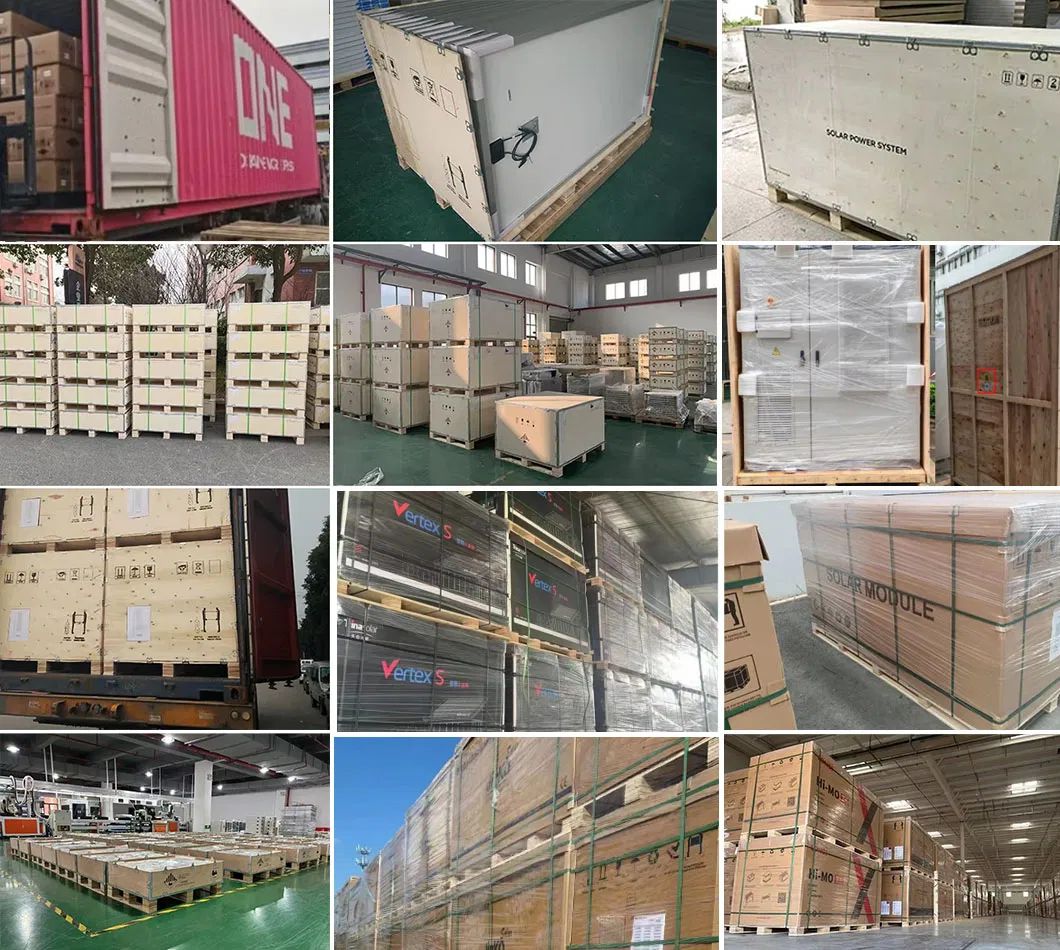
Packaging
🏆 Core Advantages
  • Factory-direct competitive pricing
  • Professional technical team & customized design
  • 24-hour professional online support
  • Timely after-sales problem resolution
  • Strict quality control: Customer and Reputation first
  • 10-30 years quality assurance
Advantages Overview
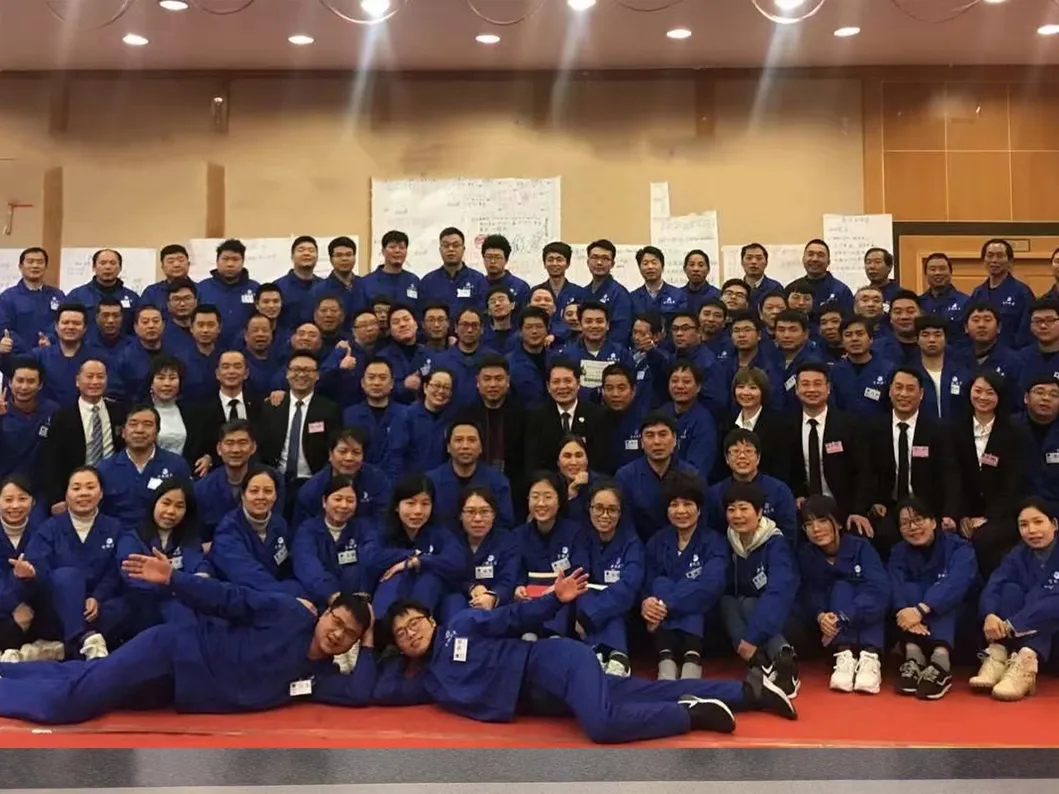
Team Work
Quality Control
Global Shipping
Frequently Asked Questions
Q: What is DC coupling in the context of large scale solar battery storage?
A: DC coupling is a system architecture where solar panels and batteries are connected on the same Direct Current (DC) bus before being converted to Alternating Current (AC) by a single, centralized inverter. This is a highly efficient solution for large scale projects.
Q: How does DC coupling optimize the use of renewable energy?
A: It allows for captured solar energy to be stored directly with minimal losses. This optimization ensures that a greater portion of the generated power is used on-site or dispatched to the grid efficiently.
Q: What role does the Power Conversion System (PCS) play?
A: The PCS functions as a high-power, bidirectional inverter that converts DC from solar and batteries to AC. It replaces the need for separate solar and battery inverters, streamlining the infrastructure.
Q: What are the primary advantages for on/off-grid large-scale projects?
A: Key advantages include higher overall system efficiency, a simplified layout with fewer components, reduced balance of system (BOS) costs, and seamless integration for both on-grid and off-grid needs.
Q: Why is DC coupling considered more efficient than AC coupling?
A: DC coupling avoids multiple DC-AC-DC conversion steps. Solar energy directly charges the batteries in DC form, reducing energy losses and maximizing ROI for large scale applications.
Q: Is the system compatible with existing diesel generators?
A: Yes, the system supports diesel generator access to provide a reliable backup power source and ensure continuous operation during extended periods of low solar generation.

Related Products