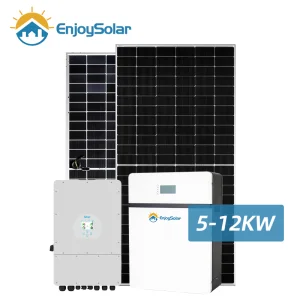
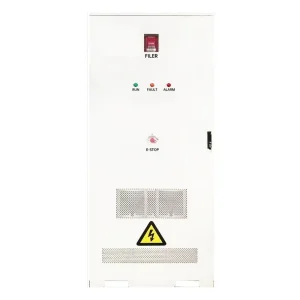
Direct from leading export pipelines: Tested, certified, and ready for deployment.
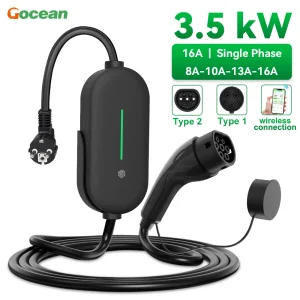
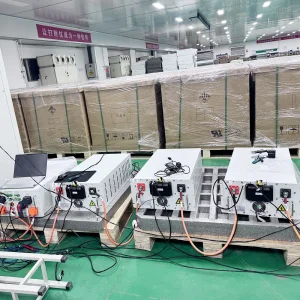
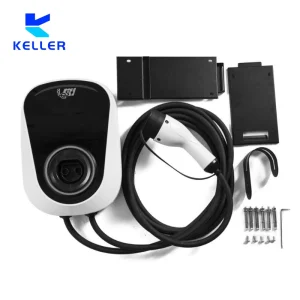
Hangzhou EnerNova Charger Co., Ltd. is a leading innovator in the field of electric vehicle charging and smart energy solutions. Specializing in both AC and DC EV charging technologies, the company provides a comprehensive range of products and services designed to meet the diverse needs of residential, commercial, and fleet customers.
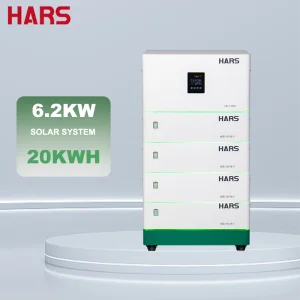
EnerNova’s portfolio includes home EV chargers, fast DC charging stations, intelligent charging power management systems, and advanced energy storage solutions. By integrating cutting-edge hardware with smart software, the company ensures optimized charging efficiency, real-time monitoring, and reliable energy management for all applications.
Committed to sustainability and the development of green transportation, Hangzhou EnerNova emphasizes seamless integration of renewable energy sources with its charging and storage systems. Its solutions support vehicle-to-grid (V2G) applications, load balancing, and intelligent energy optimization, helping customers reduce operational costs while enhancing grid stability.
With rigorous quality standards, continuous R&D investment, and a customer-centric approach, EnerNova has established itself as a trusted partner in the EV and smart energy industry. The company’s innovative technologies empower users to adopt cleaner, smarter, and more efficient energy solutions, paving the way for the future of intelligent mobility.

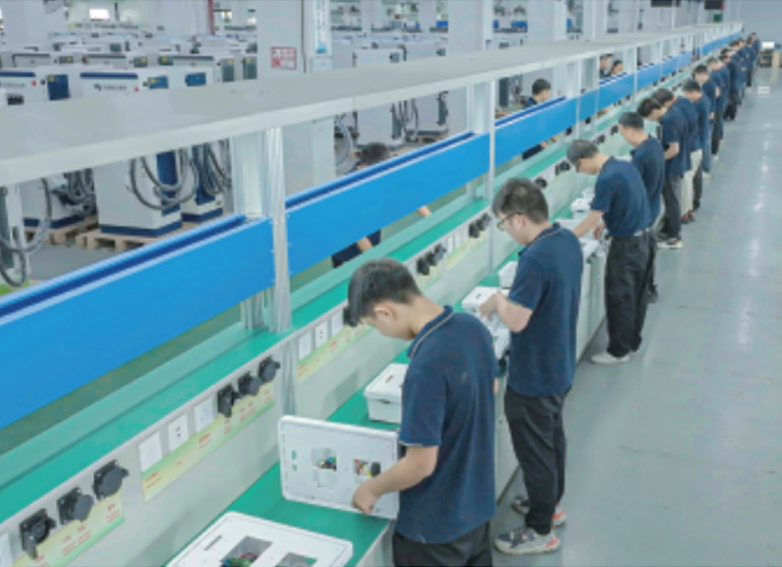
Why global OEMs, municipal fleet operators, and industrial microgrids rely on the integrated Chinese EV supply chain to secure high-performance energy storage architectures.
From core mining and precursor material extraction to precision cell rollouts and modular pack assembly, China's supply chain eliminates typical multi-tier logistics overheads. Buying directly from vetted Chinese factories yields up to a 35% cost reduction compared to regional non-integrated assembly operations.
China is the global leader in Lithium Iron Phosphate (LFP) refining, delivering intrinsically safe, long-lifecycle (up to 6,000+ cycles) configurations. Leading exporters now utilize intelligent cell-to-pack (CTP) designs that eliminate weight and maximize volumetric energy density beyond 160 Wh/kg at the pack level.
Top China factories prioritize internationally recognized quality frameworks, implementing UL 9540A thermal performance evaluations, CE markings, TUV Rhineland inspections, and UN38.3 shipping certifications to ensure trouble-free integration into Western grids.
A comprehensive engineering assessment for international procurement managers seeking high-reliability integration.
Modern EV powertrains demand a fine-tuned balance between specific energy, power capability, safety, and price. Chinese exporters excel at optimizing these variables:
Exporting large-format batteries requires satisfying intricate multi-national grid standards. Vetted factories ensure absolute regulatory alignment:
| Target Market | Certification Standards | Application Area |
|---|---|---|
| European Union | CE, EN 62619, IEC 62133, RoHS | Grid-tied storage, light EVs |
| North America | UL 1642, UL 1973, UL 9540A | Industrial cabinets, residential microgrids |
| Global Logistics | UN 38.3, MSDS, Class 9 Dangerous Goods | Sea, land, and air freight compliance |
| Grid Connection | IEEE 1547, G99, VDE-AR-N 4105 | Inverters & bidirectional ESS feeding grid |
How global businesses configure Chinese battery storage systems and charging interfaces to resolve site-specific power bottlenecks.
The Challenge: High-voltage fleets require charging multiple trucks simultaneously without overwhelming local substation limits.
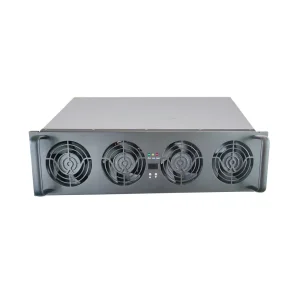
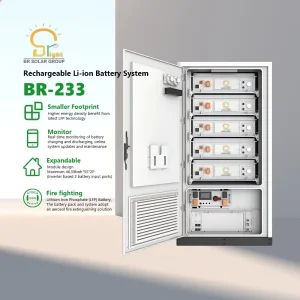
The Solution: Deploying industrial 215kW energy storage cabinets coupled with smart 50kW fast charger converter modules. The storage system handles peak shaving, recharging from the grid during off-peak hours and discharging to support high-current fleet charging demands during peak windows.
The Challenge: Homeowners in high-tariff regions (such as Western Europe) need space-efficient, DIY-friendly systems to offset daily grid usage.
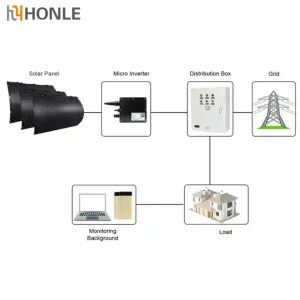
The Solution: Utilizing integrated 800W roof/balcony micro-inverter systems paired with compact LFP battery packs. The systems store excess mid-day solar energy, feeding it back during evening demand peaks, ensuring grid independence and cost savings.
The Challenge: Stranded EVs without power require immediate, mobile DC quick charging without waiting for low-bed towing service.
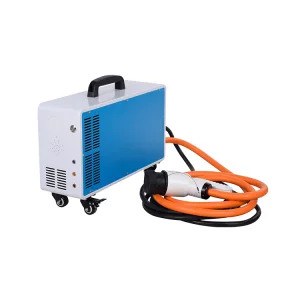
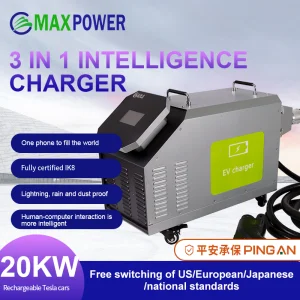
The Solution: Fleet operators deploy portable 20kW mobile DC fast charging stations built with high-capacity ruggedized battery modules. These compact units provide rapid, multi-standard DC emergency boosts on-site, enhancing road safety operations.
Exploring technological advances shaping the next decade of battery sourcing.
As lithium costs fluctuate, leading Chinese exporters are commercializing Sodium-ion cells. Offering exceptional performance at sub-zero temperatures (maintaining over 80% capacity at -20°C) and utilizing cheap, abundant raw sodium, this technology represents a breakthrough for low-speed EVs and stationary energy storage in harsh climates.
Next-generation chargers are transitioning from simple charging outlets to grid stability nodes. By leveraging vehicle-to-grid (V2G) systems, EV fleets can discharge stored energy back into the local grid during peak consumption hours, transforming fleets from cost centers into grid-stabilizing revenue generators.
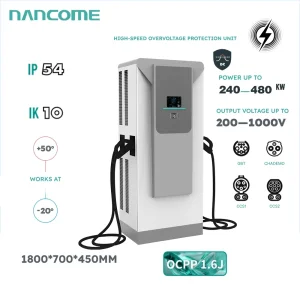
To reduce charging times, vehicle manufacturers are migrating from 400V platforms to 800V and even 1000V architectures. Exporters are driving this trend with advanced DC fast charging converter modules capable of operating up to 2000V, supporting ultrafast charging rates of up to 4C.
AI algorithms are being integrated directly into BMS software to predict cell degradation patterns, run proactive thermal balancing, and detect internal micro-shorts weeks before a failure occurs. This dramatically enhances safety and extends industrial battery bank lifespans by up to 30%.
Critical compliance, chemistry, and sourcing insights to help mitigate procurement risk.
Lithium Iron Phosphate (LFP) cells generally deliver 3,000 to 6,000 charge/discharge cycles before capacity drops to 80% of its original rating. They are highly durable and safe. Nickel Manganese Cobalt (NMC) cells, while offering higher energy density and longer initial range, typically yield 1,500 to 2,500 cycles. Stationary applications almost exclusively favor LFP due to its long lifecycle and safety profile.
Leading manufacturers employ multi-tier safety designs: cell-level vent systems, flame-retardant aerogel insulation between cells, and liquid-cooling plates. Additionally, advanced Battery Management Systems (BMS) monitor cell temperature, voltage, and internal resistance continuously, automatically isolating problematic cells before thermal runaway propagation occurs.
For the EU, import requires CE compliance, EN 62619 for industrial accumulators, and RoHS directive compliance. For the US, batteries must satisfy UL 1973 (stationary batteries) and UL 9540A (thermal runaway testing). For global transport, UN 38.3 certification is mandatory, showing compliance with packaging, impact, vibration, and thermal test protocols.
Large format lithium batteries are classified as Class 9 Dangerous Goods (UN 3480). They must be packed in certified containers, maintain a state of charge (SoC) under 30% for transport, and be accompanied by MSDS, UN38.3 test summaries, and a dangerous goods declaration. Ocean freight is typically used, using dedicated hazardous materials containers.
Bidirectional chargers (V2G/V2H) utilize active grid-tied inverters to draw or return power to the electrical network. By adopting protocols like ISO 15118 and OCPP 2.0.1, the charger communicates directly with utility management systems, charging during low-demand periods and feeding energy back during peaks, earning grid incentives for fleet operators.
Cell-to-Pack technology integrates battery cells directly into the pack enclosure without grouping them into intermediate modules. This design reduces internal wiring, connectors, and structural components, which increases volumetric efficiency by up to 20% and lowers weight, maximizing LFP pack-level energy densities.
Yes. By combining modular cabinet layouts, such as IP55-rated 100kWh/200kWh storage configurations, systems can be scaled in parallel to deliver multi-megawatt capacity. Centralized control systems balance power distribution among cabinets to ensure balanced degradation and system reliability.
Local support ensures long-term system reliability. Reputable exporters establish regional distribution points, technical training centers, and warranty hubs. These networks provide localized commissioning, fast replacement parts delivery, and software updates for localized BMS and inverter integrations.
Advanced commercial battery architectures for reliable grid-tied integration.

 EnerNova Charger